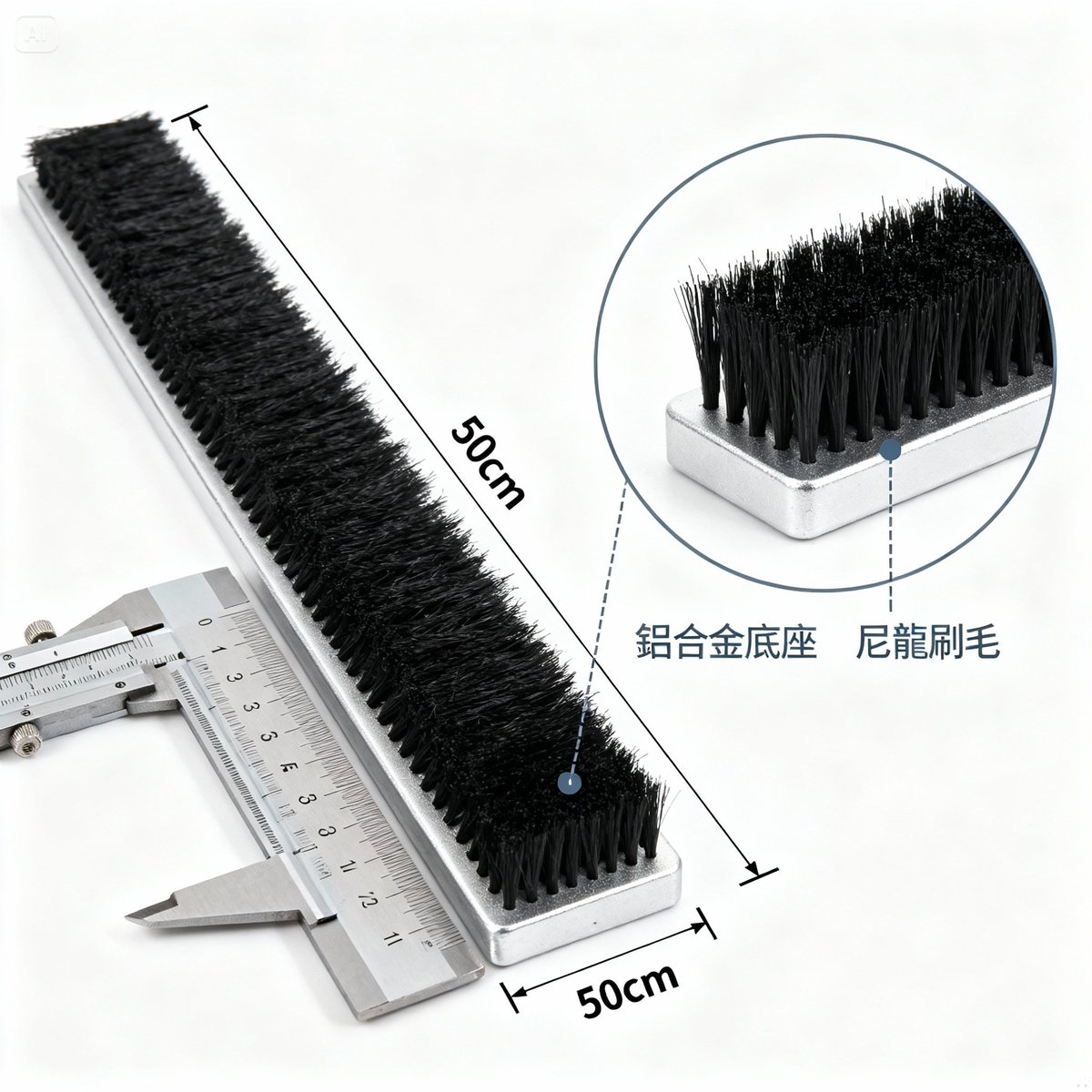
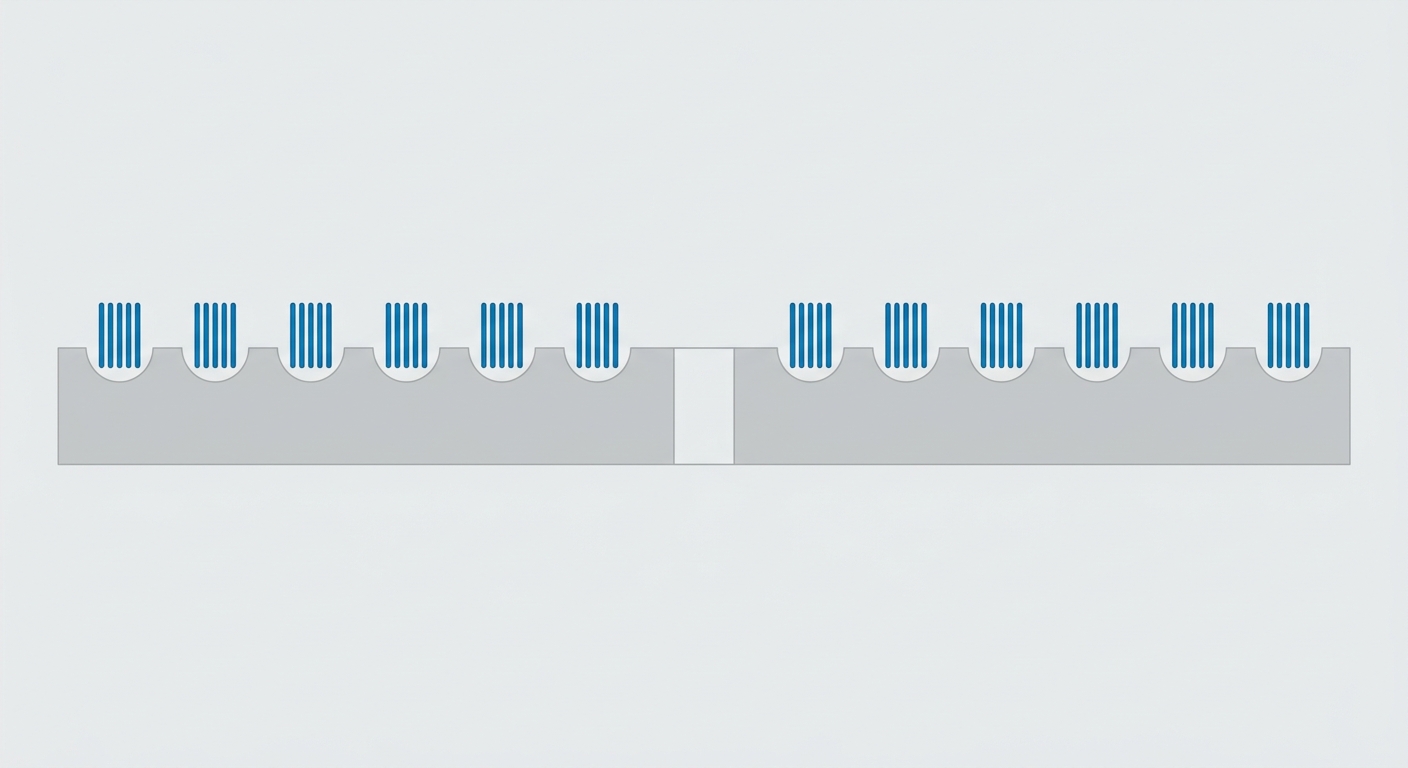
This article explains in detail how to choose the most suitable fill material and brush body material according to the application, the properties of the material and the cost requirement, to help you make brush products that perform excellently and are economical and practical.
Natural bristle: a high-performance choice for brushes
Hog bristle: high resilience combined with wear resistance
The main characteristics of hog bristle are good resilience, wear resistance and resistance to high temperature.
Characteristics:
Hog bristle comes from pig hair. It is tough and has natural anti-static properties, which makes it very suitable for high-end brushes that need to be used over a long period.
Applications:
Hog bristle is often used in high-end paint brushes, because it picks up and releases paint evenly and ensures a fine, even finish. In professional cleaning brushes, too, the durability and cleaning power of hog bristle stand out.
Points to note:
Hog bristle is not suitable for use in acid or alkaline environments, where the bristle is easily damaged.
Horsehair: a balance of softness and toughness
Horsehair is a bristle that sits between hog bristle and goat hair, combining softness and toughness.
Characteristics:
Horsehair feels smooth without losing its resilience and has good wear resistance, but it is sensitive to acid and alkaline environments and is not suitable for chemical cleaning.
Applications:
Suitable for buffing, cleaning and dust removal. For example, polishing brushes mostly use horsehair, because it removes fine dust from the surface without scratching it.
Points to note:
Horsehair needs good care; keep it dry to extend its service life.
Goat hair: the best choice for a soft feel
Goat hair is one of the softest natural bristles and suits applications with high demands on feel.
Characteristics:
Goat hair has a soft texture and suits surfaces that are easily damaged, but its resilience and wear resistance are somewhat lower.
Applications:
It is commonly found in makeup brushes and fine cleaning brushes, such as brushes for cleaning camera lenses or the surface of jewelry, where goat hair gives the gentlest contact.
Points to note:
Goat hair does not withstand high temperature or moisture. Keep it dry after use to avoid mold or deformation.
Tampico fiber: the specialist in water absorption and acid and alkali resistance
Tampico fiber is a fill material made from agave fiber, with excellent water absorption and resistance to acids and alkalis.
Characteristics:
Tampico fiber is very tough and can withstand high humidity and chemical environments. Its water absorption is excellent: it takes up water quickly and releases it evenly.
Applications:
It is mostly used in leather polishing and cleaning brushes, such as shoe brushes and brushes for handbag care. It cleans the surface effectively while raising the gloss.
Points to note:
Tampico fiber is suitable for use in high-humidity environments, but should not be exposed to sunlight for long periods, or it will age and become brittle.
Summary of natural bristle
Each natural bristle has its own performance and suitable applications:
-
Hog bristle suits high-end brushes that need wear resistance and resistance to high temperature.
-
Horsehair offers a balance of softness and toughness and is a good helper for buffing and cleaning.
-
Goat hair, with its extreme softness, is the first choice for makeup and fine cleaning.
-
Tampico fiber is widely used in leather care because of its water absorption and resistance to acids and alkalis.
When choosing a natural bristle, select the material according to the application and the environmental conditions, to ensure the performance and durability of the brush.
Synthetic filament: the flexible, versatile modern choice
Nylon (PA): wear resistance combined with recovery
Nylon is the most common synthetic filament in brush manufacturing and is highly durable.
Characteristics:
It includes grades such as nylon 6, nylon 66 and nylon 612. These materials have good wear resistance and heat resistance and do not deform easily, which suits heavy-duty cleaning work.
Applications:
Suitable for industrial brushes, cleaning brushes and dust-removal brushes. For example, we often make nylon brushes for cleaning conveyor belts in food factories; they are wear-resistant and do not collect dust easily.
Points to note:
Nylon filament may deform in high-temperature environments (for example above 120°C), so the right grade has to be chosen for the application.
PP (polypropylene): the lightweight choice
PP filament is known for its light weight and chemical resistance and suits general-purpose use.
Characteristics:
PP filament has a low density and is light in weight. It has good chemical resistance and withstands acids, alkalis and most solvents. Its resilience is poor, however; it bends easily and is not suitable for heavy-duty use.
Applications:
Suitable for ordinary cleaning brushes, such as household brooms and trash can brushes; it is affordable and durable.
Points to note:
PP filament is not suitable where high bend recovery or long-term heavy loads are required.
PBT (polybutylene terephthalate): a balance of softness and durability
PBT is a filament that combines softness and durability and suits demanding products.
Characteristics:
Resistant to acids, oils and solvents, with moderate softness. Compared with nylon, PBT filament is better suited to applications that need a gentle touch.
Applications:
Commonly used in toothbrushes, makeup brushes and similar products. For example, the high-end makeup brushes we produce use PBT filament, which is soft with moderate resilience and applies makeup evenly.
Points to note:
Although PBT is stable in performance, it may need additional treatment when used in extremely hot or extremely cold environments.
PET (polyethylene terephthalate): durable and antibacterial
PET is a multi-purpose, durable filament suited to demanding products.
Characteristics:
Highly durable and resistant to acids and alkalis, with antibacterial properties that make it hard for bacteria to grow, which suits environments with high hygiene requirements very well.
Applications:
Widely used in paint brushes, brushes for food processing and similar products. For example, the PET brush we designed for a food factory withstands frequent washing while the filament stays stable.
Points to note:
Although PET filament resists acids and alkalis, it may be slightly inferior to nylon under long-term high-load use.
Summary of synthetic filament
Synthetic filaments are varied; choose the right material for each requirement:
-
Nylon (PA) suits high-wear, high-load applications;
-
PP (polypropylene) is the light, chemically resistant, economical choice;
-
PBT (polybutylene terephthalate) offers soft, stable performance and suits high-end products;
-
PET (polyethylene terephthalate) is durable and antibacterial and suits settings with high hygiene requirements.
Our brush factory recommends the most suitable material according to the customer's needs, to achieve the best balance of product performance and durability!
How to choose the most suitable fill material and brush body material
Choosing the right fill material and brush body material directly determines the performance and service life of the brush. Below is specific advice for different needs.
Choose the fill material according to the application
The purpose of the brush decides which type of fill material should be used.
Industrial brushes
High wear resistance is needed, so nylon (PA) filament can be chosen. Nylon has excellent wear resistance and recovery and suits heavy-duty work such as cleaning conveyor belts or polishing metal surfaces.
Makeup brushes or fine cleaning brushes
A soft fill material is needed; goat hair or PBT filament is recommended. Goat hair is soft and light and suits makeup use; PBT balances softness and durability and suits toothbrushes or makeup brushes.
Highly corrosive chemical environments
Choose a fill material that resists acids and alkalis, such as PET or Tampico fiber; these materials perform very well in food processing or leather cleaning.
Consider the properties of the brush body material
The material properties of the brush body need to be chosen according to the operating environment.
Plastic brush body
Suited to situations that call for light weight and corrosion resistance, such as household cleaning tools or bathroom brushes. Plastics such as PVC or PP are light and inexpensive and very well suited to volume production.
Metal brush body
Suited to high-strength, long-lasting applications such as industrial roller brushes. Stainless steel and aluminum alloy are common choices; they withstand high loads and resist corrosion.
Wooden brush body
Suited to handmade or high-end products, such as high-end paint brushes. Wood has a good feel in the hand and a good appearance, but needs moisture-proofing treatment.
Weigh cost against performance
Finding the balance between cost and performance is the key.
Value for money first
For ordinary cleaning brushes that do not need high performance, PP plastic and nylon filament can be chosen, which lowers production costs and meets mass-market demand.
High performance first
For brushes for professional or industrial use, give priority to a high-strength metal brush body and wear-resistant filament. Even though the cost is higher, this extends the service life and improves the user experience.
Environmental requirements
Choosing recyclable or biodegradable materials, such as PET or eco-friendly wood, meets market demand for green products and enhances the brand image.
Detailed material comparison tables
Comparison of natural bristles
Columns: bristle type, stiffness grade, resilience, temperature resistance, water absorption, cost, main applications
Hog bristle Stiffness grade ★★★★★, resilience ★★★★, temperature resistance ~80°C, water absorption medium, cost high Main applications: paint brushes, artist brushes
Horsehair Stiffness grade ★★★, resilience ★★★★★, temperature resistance ~70°C, water absorption low, cost high Main applications: polishing brushes, precision cleaning
Goat hair Stiffness grade ★★, resilience ★★★, temperature resistance ~60°C, water absorption high, cost medium to high Main applications: makeup brushes, high-end cleaning brushes
Tampico fiber Stiffness grade ★★★★, resilience ★★★★, temperature resistance ~90°C, water absorption low, cost medium Main applications: industrial cleaning, food processing
Comparison of synthetic filaments
Columns: filament type, stiffness grade, wear resistance, temperature resistance, chemical resistance, cost, main applications
Nylon (PA) Stiffness grade ★★★★, wear resistance ★★★★★, temperature resistance 120°C, chemical resistance ★★★★, cost medium Main applications: industrial brushes, conveyor belt cleaning
Polypropylene (PP) Stiffness grade ★★★★★, wear resistance ★★★, temperature resistance 120°C, chemical resistance ★★★★★, cost low Main applications: brooms, ordinary cleaning brushes
PBT Stiffness grade ★★★, wear resistance ★★★★, temperature resistance 150°C, chemical resistance ★★★★, cost medium to high Main applications: toothbrushes, makeup brushes
PET Stiffness grade ★★★★, wear resistance ★★★★, temperature resistance 160°C, chemical resistance ★★★★★, cost medium Main applications: bottle brushes, food-grade cleaning
Key to the performance ratings
Stiffness grade: ★ = very soft | ★★★★★ = very stiff
Wear resistance: ★ = wears easily | ★★★★★ = extremely wear-resistant
Chemical resistance: ★ = corrodes easily | ★★★★★ = extremely corrosion-resistant
Application examples
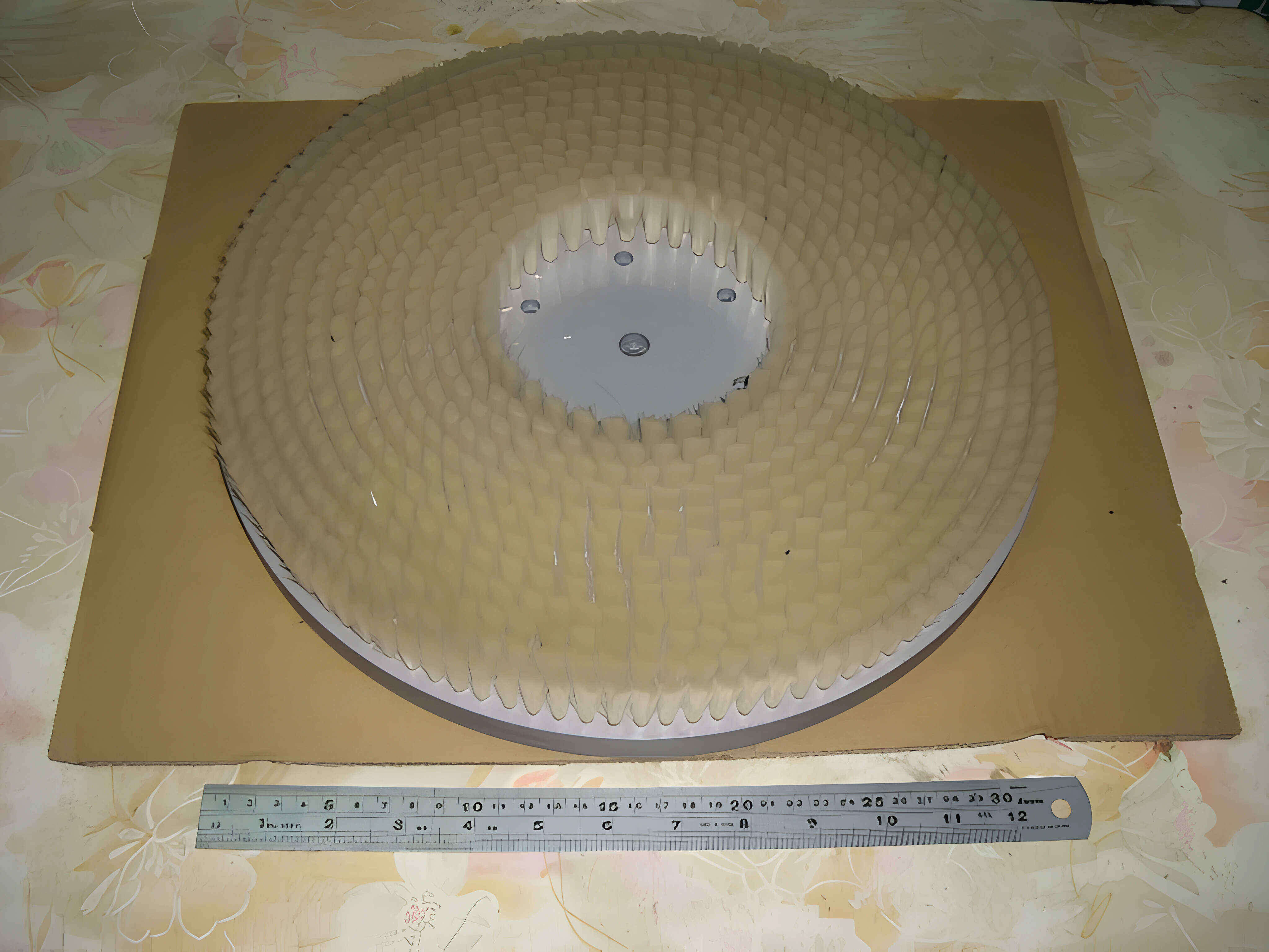
Industrial applications
Nylon PA or PBT is recommended
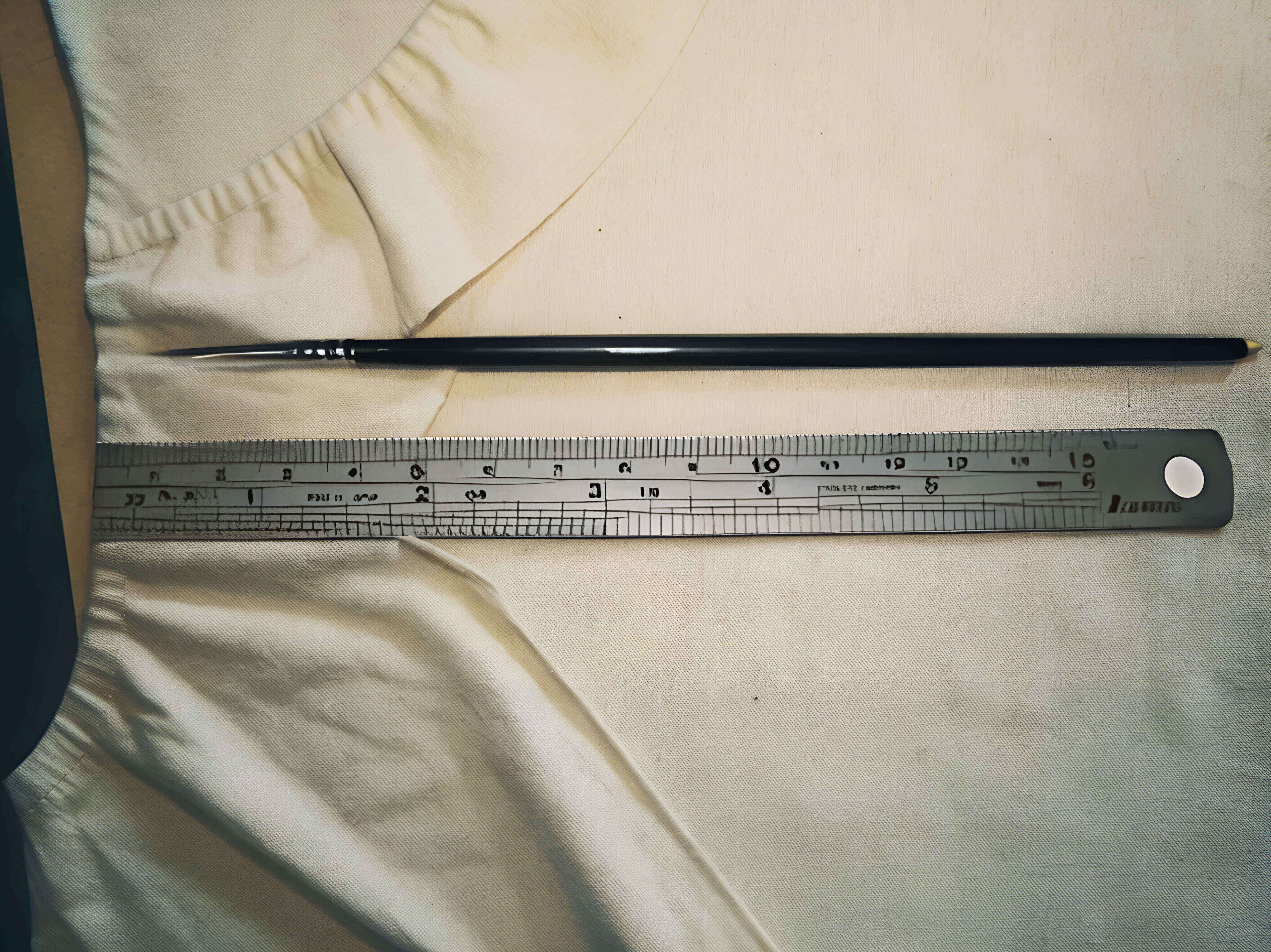
Beauty and personal care
Natural goat hair or horsehair is recommended
Household cleaning
PP is suitable and highly cost-effective
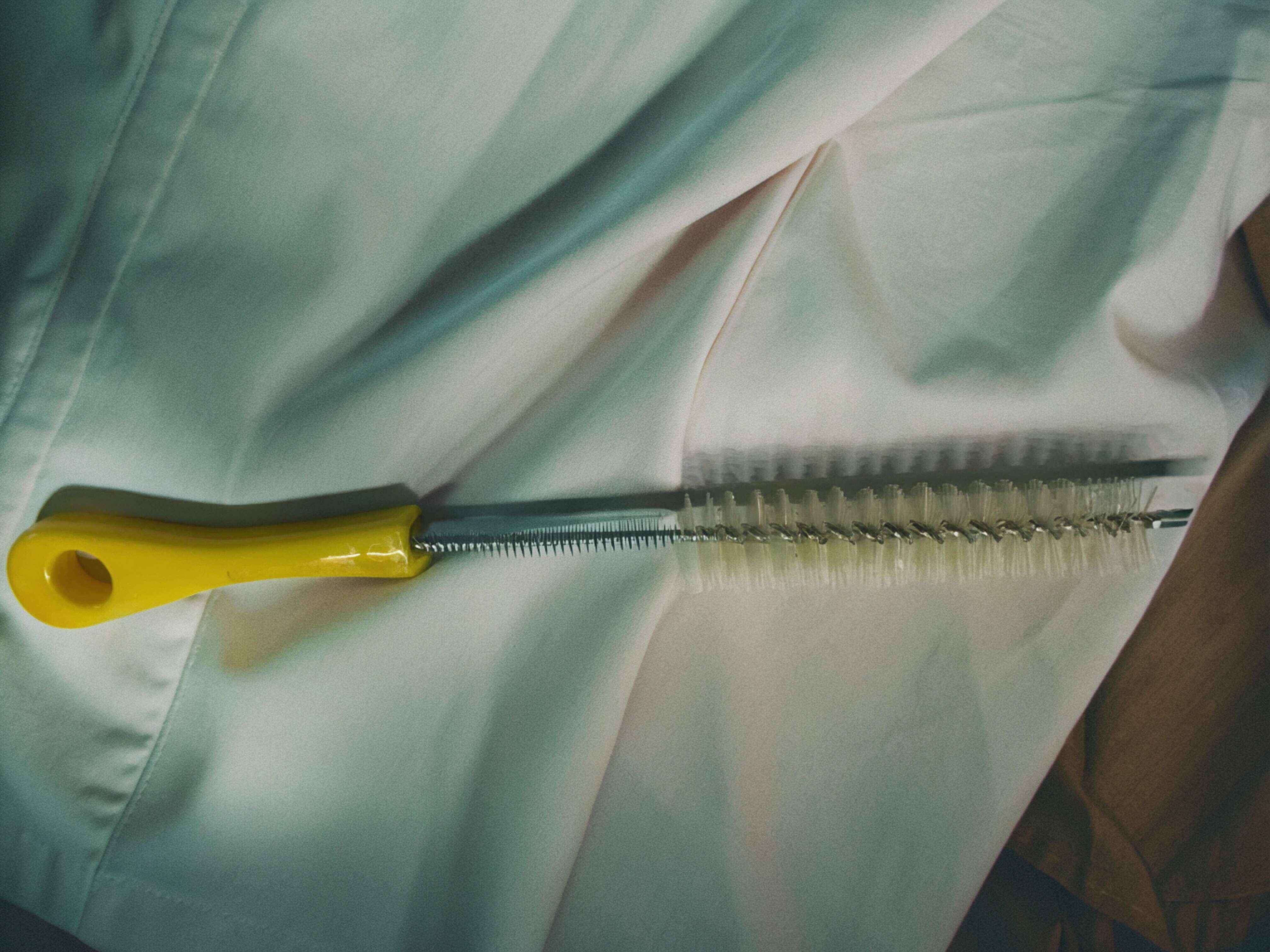
Industrial rollers
A metal brush body with PET filament
1. Industrial cleaning applications
-
Material advice: nylon PA, highly wear-resistant
-
Brush body material: PBT or PET is recommended, giving good support
-
Cost considerations: industrial use emphasizes durability, so the material cost can be raised appropriately
2. Beauty and personal care uses
-
Material advice: natural goat hair or high-quality PVC or PP synthetic materials
-
Feel requirement: must be soft and gentle on the skin and must not irritate it
-
Hygiene standard: the material must meet cosmetic-grade requirements
3. Food industry applications
-
Material advice: food-grade PP, compliant with FDA standards
-
Cleaning requirement: easy to wash and disinfect, leaving no bacteria behind
-
Safety considerations: the material must not contain harmful substances, to ensure food safety
Summary of material selection advice
Core principles of brush material selection
🎯 Function-led principle
-
Heavy-duty cleaning: nylon PA or hog bristle preferred
-
Precision polishing: horsehair or PBT recommended
-
Soft feel: choose goat hair or high-quality PBT
-
Chemical resistance: use PET or Tampico fiber
💰 Balancing cost and benefit
-
Volume-production products: PP gives the best value for money
-
Professional tools: invest in high-end materials to add value
-
Mid-range market: nylon PA balances performance and cost
-
High-end positioning: natural bristle highlights quality
⚡ Decision flow for material selection
- Define the operating environment → 2. Assess the performance requirements → 3. Analyze the cost budget → 4. Decide the final solution
🏭 Professional advice from YC Brushes
Industrial manufacturing
Industrial environments require materials with extremely high durability and consistency. We recommend nylon PA with a metal brush body to ensure stable long-term operation.
Recommended combination: nylon PA + stainless steel brush body
Premium market
High-end products need an outstanding experience in use. Natural bristle such as hog bristle or horsehair, combined with a finely crafted wooden brush body, creates excellent product value.
Recommended combination: hog bristle / horsehair + high-quality wood
Mass consumer market
The consumer market emphasizes value for money. PP has good chemical resistance and a low cost, making it the ideal mass-market choice.
Recommended combination: PP filament + plastic brush body
🔬 Trends in material technology
Environmentally sustainable materials
-
🌱 Biodegradable plastics: eco-friendly materials such as PLA and PHA are gradually being used in brush manufacturing
-
♻️ Recycled materials: recycled plastics such as rPET reduce the environmental burden while maintaining performance
-
🌿 Innovation in natural fibers: the range of applications for plant fibers such as coconut fiber and hemp fiber keeps expanding
High-performance materials
-
⚡ Nano-modified materials: nanoparticles are added to improve wear resistance and antibacterial performance
-
🔬 Composite materials: multi-layer structural designs give different zones different functions
-
🎯 Smart materials: with intelligent response properties such as temperature sensing and pH sensing
🎯 YC Brushes: your material selection specialist
Choosing the right brush material is a skill that takes deep experience and professional knowledge. With over 40 years of manufacturing experience and thousands of successful cases, YC Brushes has a deep understanding of how the properties of each material match the application.
🏆
Quality assurance
A strict quality control process ensures the consistency of every batch of material
🔧
Custom service
Tailor-made material solutions according to specific needs
📞
Professional consultation
An experienced technical team provides professional guidance throughout
Whether you need industrial-grade heavy-duty brushes or premium artist brushes, we can give you the most suitable advice on material selection.
Contact us and start your professional custom brush journey! 📞
📞 Contact us and start your brush manufacturing journey
If you are looking for a professional brush manufacturing partner, you are welcome to contact YC Brushes. We will provide you with the most professional consultation and the best product solutions.
📞
Phone
+886-2-2988-2721
✉️
🏭
Factory visit
Visits are welcome by appointment