Did you know? Choosing the wrong paint brush can double the time a paint job takes.
Many people think all paint brushes are the same and that any brush will do.
But professional painters know that the difference between a long-bristle paint brush and a short-bristle paint brush directly affects the quality and efficiency of the work.
Long-bristle vs short-bristle paint brushes: the core differences
What is the biggest difference between a long-bristle paint brush and a short-bristle paint brush?
The answer: bristle length, how much paint the brush holds, and the painting jobs each one suits.
How bristle length is defined
Generally speaking:
- Long-bristle paint brush: bristle length 2.5-5 cm
- Short-bristle paint brush: bristle length 1-2 cm
The longer the bristles, the softer the brush; the shorter the bristles, the better the control.
Matching the brush to the paint and the job
Different types of paint brush suit different paints.
With the right combination, the paint job turns out better.
Cement paint + long-bristle paint brush
Cement paint (the name used in Taiwan for a common type of wall paint) is a common wall coating in Taiwan.
Its characteristics:
- Mostly a water-based coating (oil-based cement paint also exists)
- Flows relatively well
- Needs even coverage
Why does it suit a long-bristle paint brush?
The bristles of a long-bristle brush hold more cement paint.
One dip covers a larger area, which reduces lap marks.
The bristles are soft and spread the cement paint evenly over the wall.
See the long-bristle paint brushes from YC Brushes, available with hog bristle, nylon or mixed bristles; for cement paint we suggest synthetic filament such as nylon.
Oil-based paint + short-bristle paint brush
Oil-based paint is commonly used on woodwork and metal.
Its characteristics:
- Higher viscosity
- Does not flow easily
- Needs precise control
Why does it suit a short-bristle paint brush?
The bristles of a short-bristle brush are stiffer and can push thick oil-based paint.
The bristles are short and give good control, so details can be painted precisely.
It does not drip easily, which avoids waste.
Techniques used by professional painters
Buying the right paint brush is only the first step.
How you use it is the key.
Techniques for a long-bristle paint brush
Loading the brush:
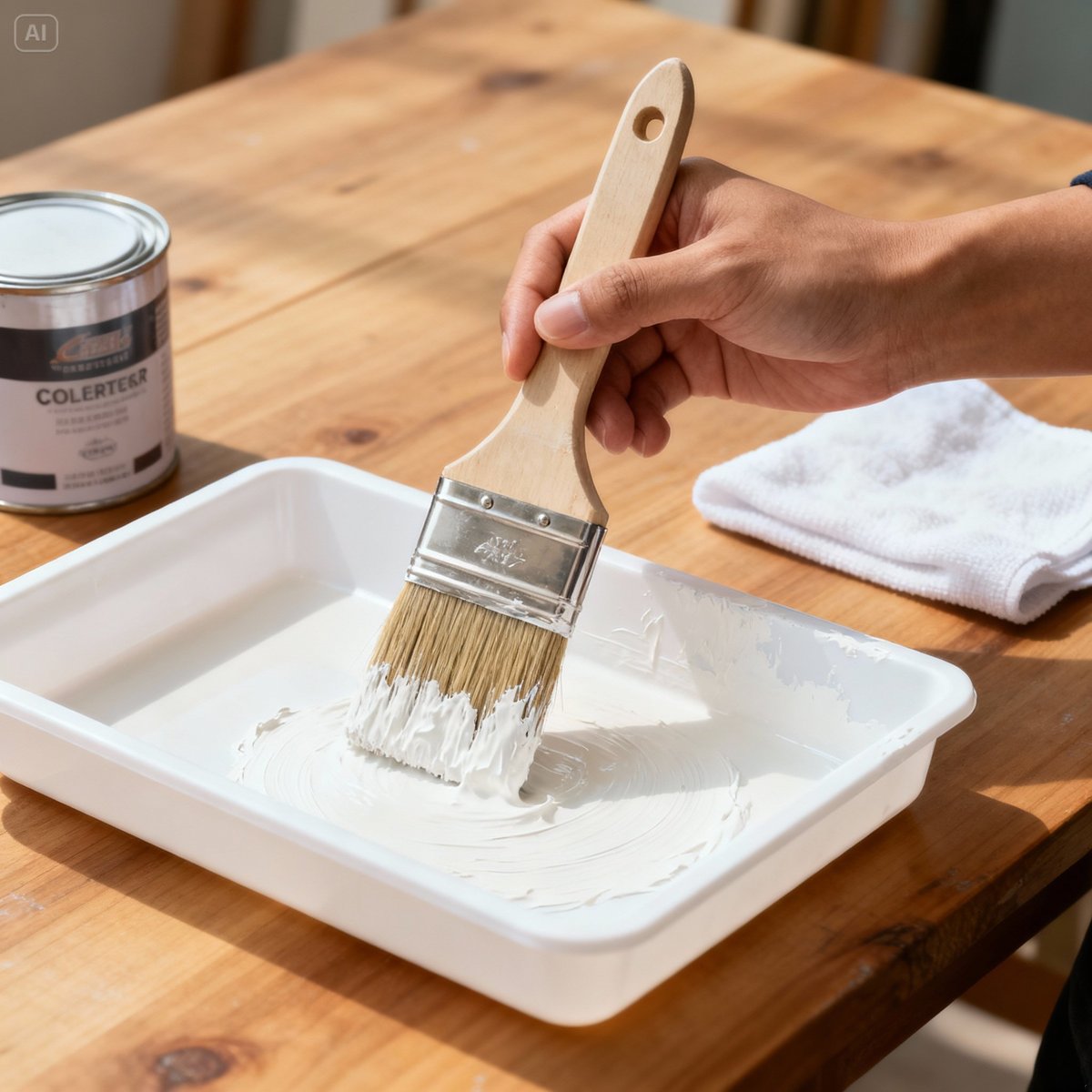
Dip the bristles into the paint to about one third of their length.
Do not load the whole length of the bristles with paint; that causes drips.
Gently scrape off the excess paint on the edge of the paint tray.
Brushing technique:
- Brush from top to bottom, keeping the force even
- Overlap each stroke with the previous one by about 1/3
- Finish with light smoothing strokes to remove brush marks
Common mistakes:
- Loading too much paint, which causes drips
- Uneven force, which leaves thick and thin patches
- Not overlapping the strokes, which leaves lap lines
If you need a long-bristle paint brush in a special specification, YC Brushes offers a custom service and can design a dedicated brush for your job.
Techniques for a short-bristle paint brush
Loading the brush:
Dipping the bristles to about one quarter of their length is enough.
A short-bristle brush holds little paint to begin with, so it does not need to be loaded heavily.
Brushing technique:
- Use a dabbing motion to paint details precisely
- Apply several thin coats and avoid one coat that is too thick
- Brush along the wood grain or the direction of the lines
Suitable for:
- Finishing door frames and window frames
- Painting skirting boards
- Fine woodwork
- Touching up local areas of paint
Brush care extends service life
Cleaning a paint brush after use is important.
Correct care can make the brush last 3-5 times as long.
Cleaning off water-based paint:
- Rinse the bristles with clean water
- Rub and wash until the water runs clear
- Shake off the water and hang the brush to dry with the bristles facing down
Cleaning off oil-based paint:
- Wash with mineral spirits or a dedicated solvent
- Remove the paint thoroughly
- Rinse with clean water to remove the solvent
- Store after drying
For more detailed brush care methods, see The brush cleaning and maintenance guide: cleaning frequency, 4 cleaning methods and care tips.
A guide to choosing the material
The bristle material of a paint brush is also important.
Different materials suit different paints and uses.
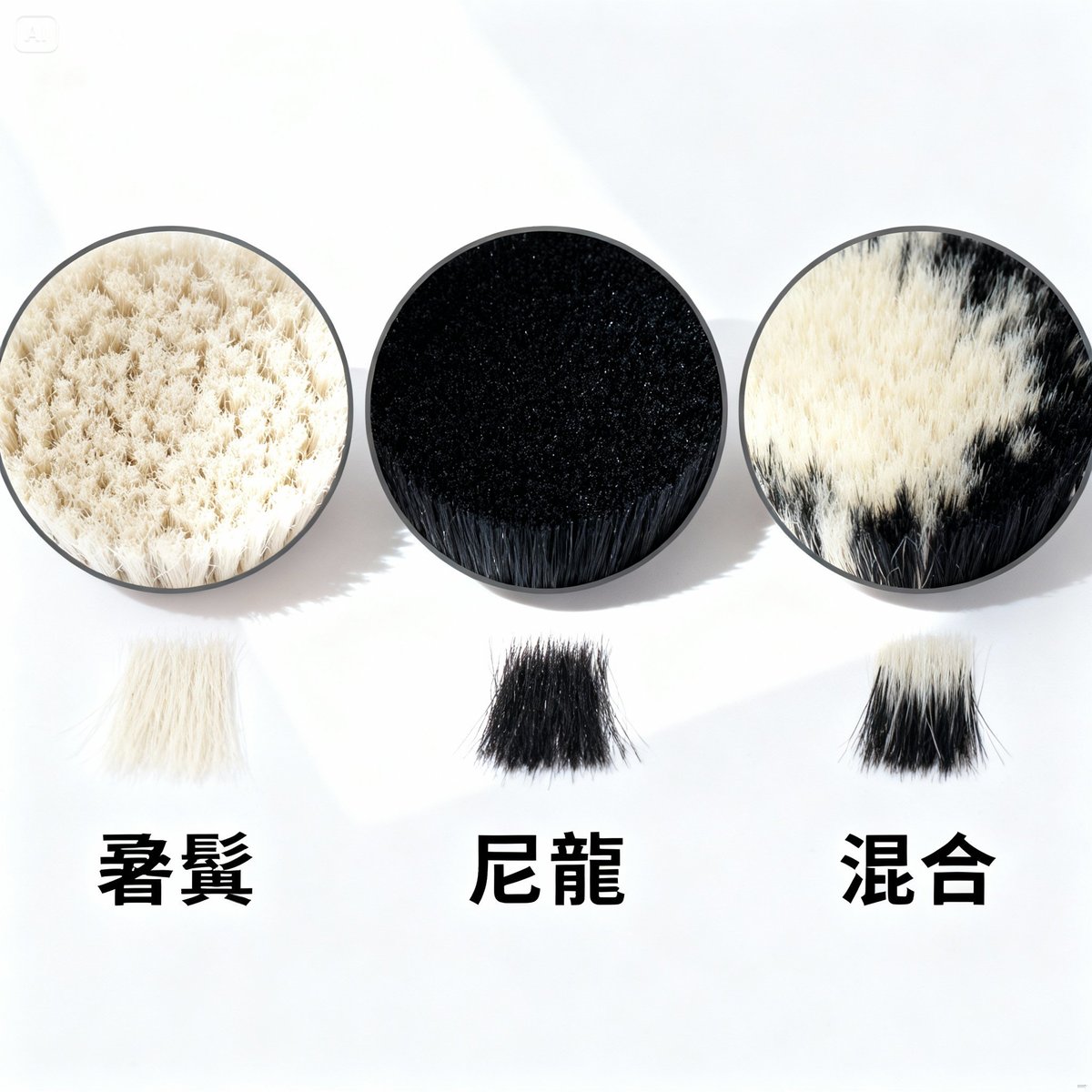
Hog bristle
Hog bristle is a natural material with excellent properties.
Advantages:
- Soft and fine
- Leaves shallow brush marks
- Suited to oil-based paint, letting the paint level out into a smooth finish
Disadvantages:
- Less durable
- Breaks easily
- Higher price
- With water-based paint the bristles absorb water and go soft, so it is not recommended for water-based paint
Suitable paints:
- Oil-based paint
- Stains (wood protection finishes)
- Varnish
See the hog bristle paint brush series from YC Brushes, made with imported premium hog bristle, with quality assured.
Nylon filament
Nylon is a man-made material and is highly durable.
Advantages:
- Very durable
- Good resilience
- Does not absorb water, so it keeps its shape with water-based paint
- Easy to wash
- Affordable
Disadvantages:
- Holds less paint
- Leaves more visible brush marks
- Stiffer, not soft enough
Suitable paints:
- Cement paint
- Latex paint
- Other water-based paints (it can also be used with oil-based paint)
Nylon filament suits situations where the brush is used over and over again.
Mixed bristles
Some paint brushes use a mix of hog bristle + nylon.
It combines the advantages of both:
- Holds paint well (hog bristle)
- Highly durable (nylon)
- Mid-range price
Suitable paints: Hog bristle blends are mainly for oil-based paint; for water-based paint, synthetic filament such as nylon or polyester is recommended.
It is the best value for money.
Sponge brushes
Strictly speaking, a sponge brush is not a bristle brush.
But it is very handy in some situations:
- Fast painting of large areas
- Painting rough surfaces
- Applying waterproof paint
The disadvantages are that it cannot handle detail work and is not durable.
FAQ
Here are the 4 most common questions.
Can long-bristle and short-bristle paint brushes be used interchangeably?
We do not recommend it.
Technically they can be swapped, but the result is poor.
A long-bristle brush with oil-based paint:
- The bristles are too soft to push thick paint
- Control is poor, so the coat tends to be uneven
- The paint drips easily
A short-bristle brush with cement paint:
- It holds little paint, so you have to dip it often
- Efficiency is low and the job takes longer
- Lap lines appear easily
It is best to choose the right tool, so that you get twice the result for half the effort.
Why does a long-bristle paint brush shed?
Common reasons for shedding:
- Poor quality: poor tufting workmanship, so the bristles are not held firmly
- Improper cleaning: washing with strong acids or strong alkalis, which corrode the adhesive
- Overuse: use beyond the service life of the brush
Choose a manufacturer with a good reputation when you buy.
YC Brushes has over 40 years of tufting experience and fixes the bristles with imported hot-melt adhesive, so the shedding rate is extremely low.
How many times can a long-bristle paint brush be used?
It depends on how it is used and cared for.
With normal use:
- Hog bristle brush: 20-30 times
- Nylon brush: 50-100 times
- Mixed-bristle brush: 30-50 times
Tips for a longer life:
- Clean it thoroughly after every use
- Hang it to dry with the bristles facing down
- Avoid direct sun and high temperatures
For care tips, see the brush cleaning and maintenance guide.
Is a long-bristle paint brush suitable for painting ceilings?
Yes, but we suggest pairing it with a long handle.
Painting a ceiling calls for:
- A long handle, to reduce the load on your arms
- A long-bristle head, which holds a lot of paint and cuts down on dipping
- Bristles chosen to match the paint: synthetic filament for water-based paints such as cement paint
YC Brushes offers long-handle paint brushes with handles of up to 100-150 cm, designed specifically for ceilings.
You can also see the long-handle cleaning brush recommendations article to learn more about choosing long-handle brushes.

The YC Brushes paint brush range
YC Brushes has focused on paint brush manufacturing for over 40 years.
We offer a complete product range and a custom service.
Standard product series
We offer paint brushes in many specifications:
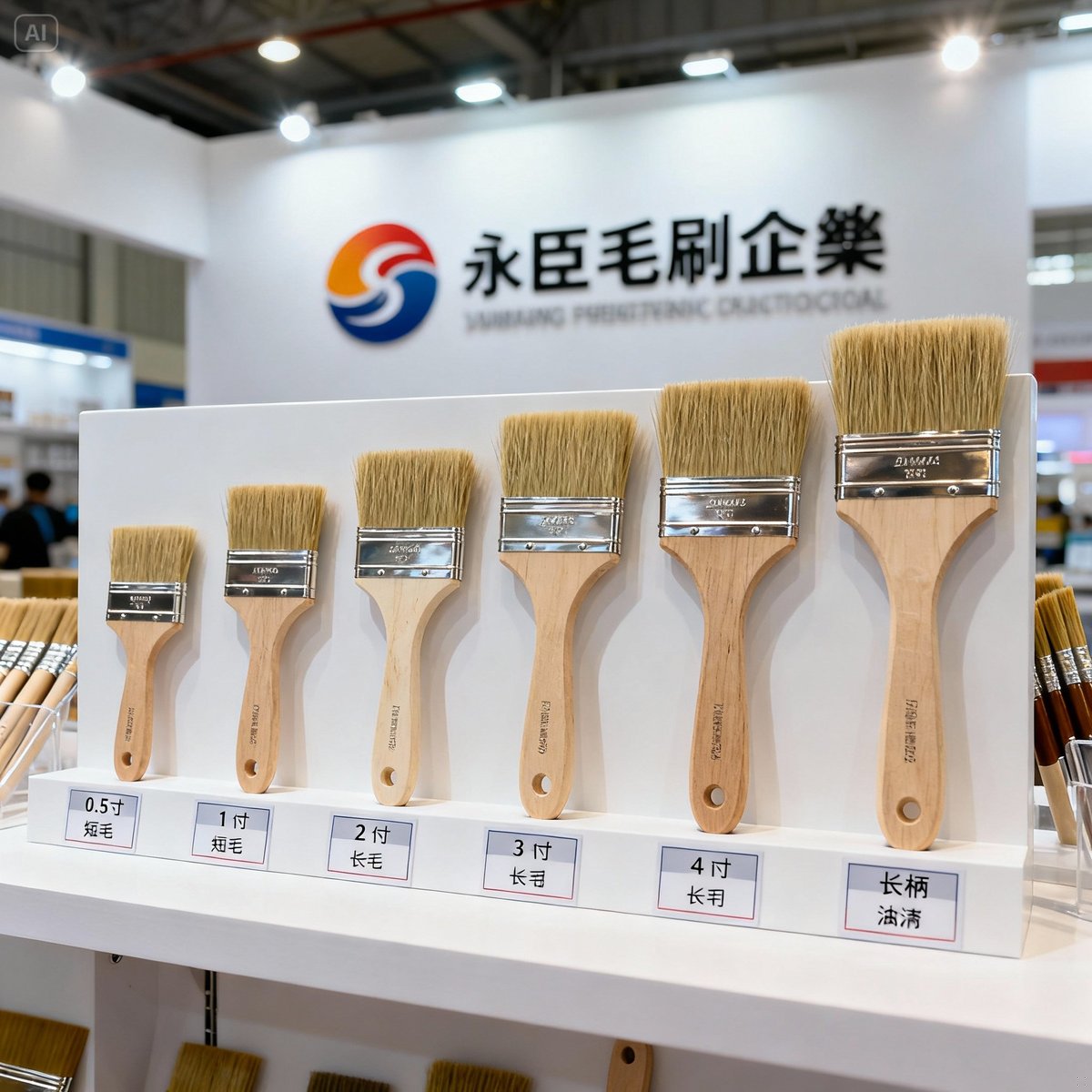
Long-bristle paint brush series:
- Widths of 1 inch, 2 inches, 3 inches and 4 inches
- Hog bristle, nylon or mixed materials to choose from
- Suited to cement paint and latex paint
Short-bristle paint brush series:
- Widths of 0.5 inch, 1 inch and 2 inches
- Suited to oil-based paint and wood paint
- For precision painting
Long-handle paint brush series:
- Handle length 60-150 cm
- Suited to ceilings and painting high places
- Can be fitted with a long-bristle or short-bristle head
See the full product catalog to find the paint brush that best fits your job.
Custom service
If standard products cannot meet your needs, we offer a custom service.
What can be customized:
- Bristle material and length
- Brush head width and shape
- Handle length and material
- Special functions (high-temperature resistance, anti-static and so on)
The custom process:
- Requirements consultation
- Confirmation of the design drawing
- Sample making
- Volume production
Learn more about the custom service.
Quality assurance
YC Brushes insists on quality first:
- Imported premium hog bristle
- Fixed with hot-melt adhesive, so it does not shed
- Strict quality control, with a defect rate below 1%
- Factory-direct, with better prices
Professional consultation
Not sure which type to choose before you buy?
You are welcome to contact us.
Our team will look at your:
- Type of paint
- Size of the area to be painted
- Budget
- Frequency of use
and suggest the most suitable product.
Summary: choose the right paint brush and the quality of the paint job rises sharply
Long-bristle and short-bristle paint brushes each have their strengths.
The key is to choose the right tool for your painting job.
Quick buying guide:
- Cement paint on large wall areas → long-bristle paint brush + nylon / polyester synthetic filament
- Oil-based paint on woodwork → short-bristle paint brush + hog bristle
- Painting ceilings → long-handle long-bristle paint brush
- Detail work → short-bristle paint brush (0.5-1 inch)
Care matters:
Correct cleaning and care can make a paint brush last 3-5 times as long.
Clean it immediately after use, dry it with the bristles facing down and check the condition of the bristles regularly.
Want more care tips? See the brush cleaning and maintenance guide.
Professional advice:
If you often have painting work to do, we suggest having both long-bristle and short-bristle paint brushes.
That way you have the right tool whatever the painting job.
YC Brushes offers a complete range of paint brushes, from household to professional grade.
With over 40 years of manufacturing experience and factory-direct prices, quality is assured.
If you need a special specification or a custom paint brush, contact us now and let our team help you.
Want to learn more about brushes? Visit the blog for more specialist articles:
- The complete guide to long-bristle brushes | An expert look from buying to maintenance
- Long-handle cleaning brush recommendations | 5 best-value long-handle brushes compared
- Brush cleaning and maintenance guide | Cleaning frequency, 4 cleaning methods and care tips
- Soft-bristle cleaning brush application guide | The best choice for precision cleaning