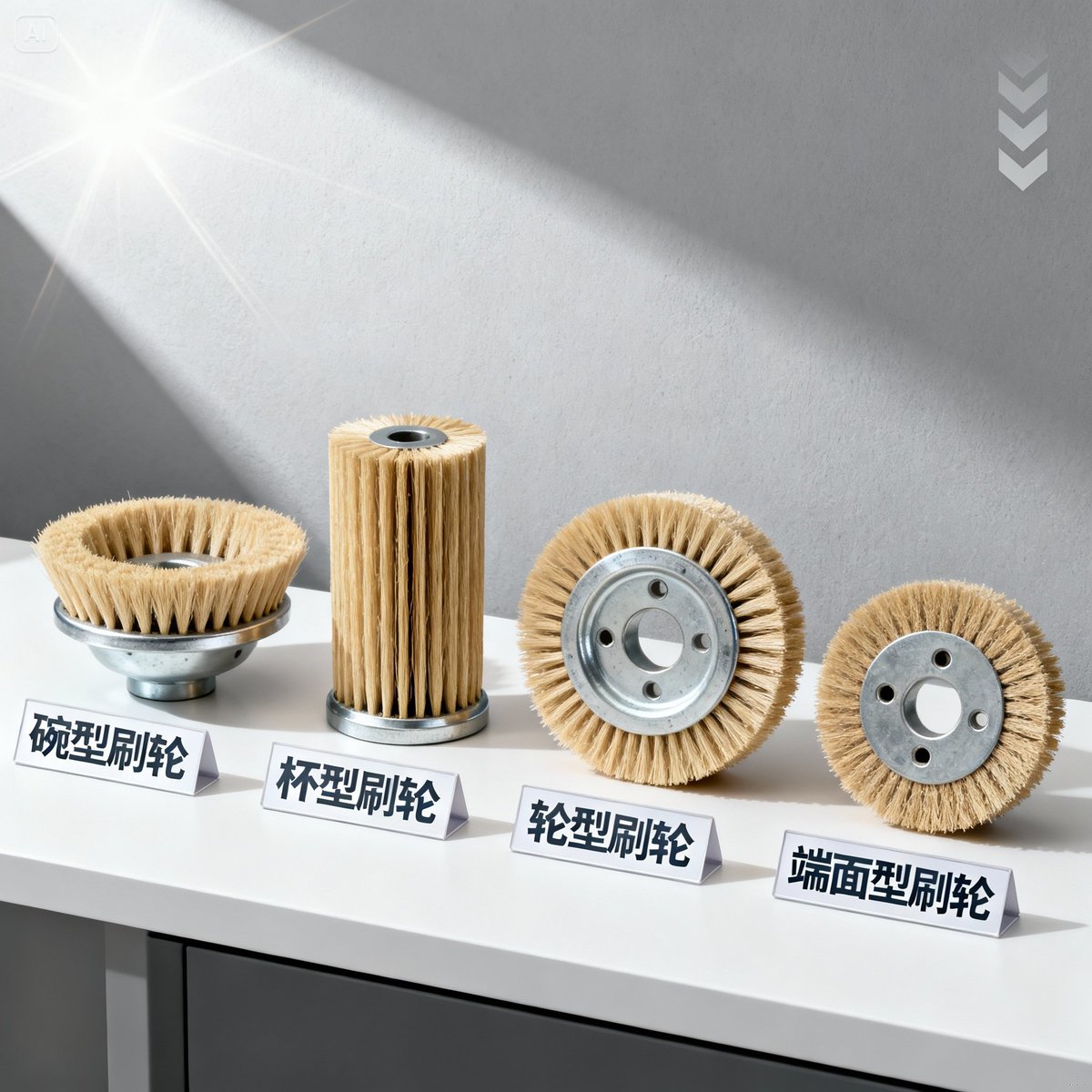
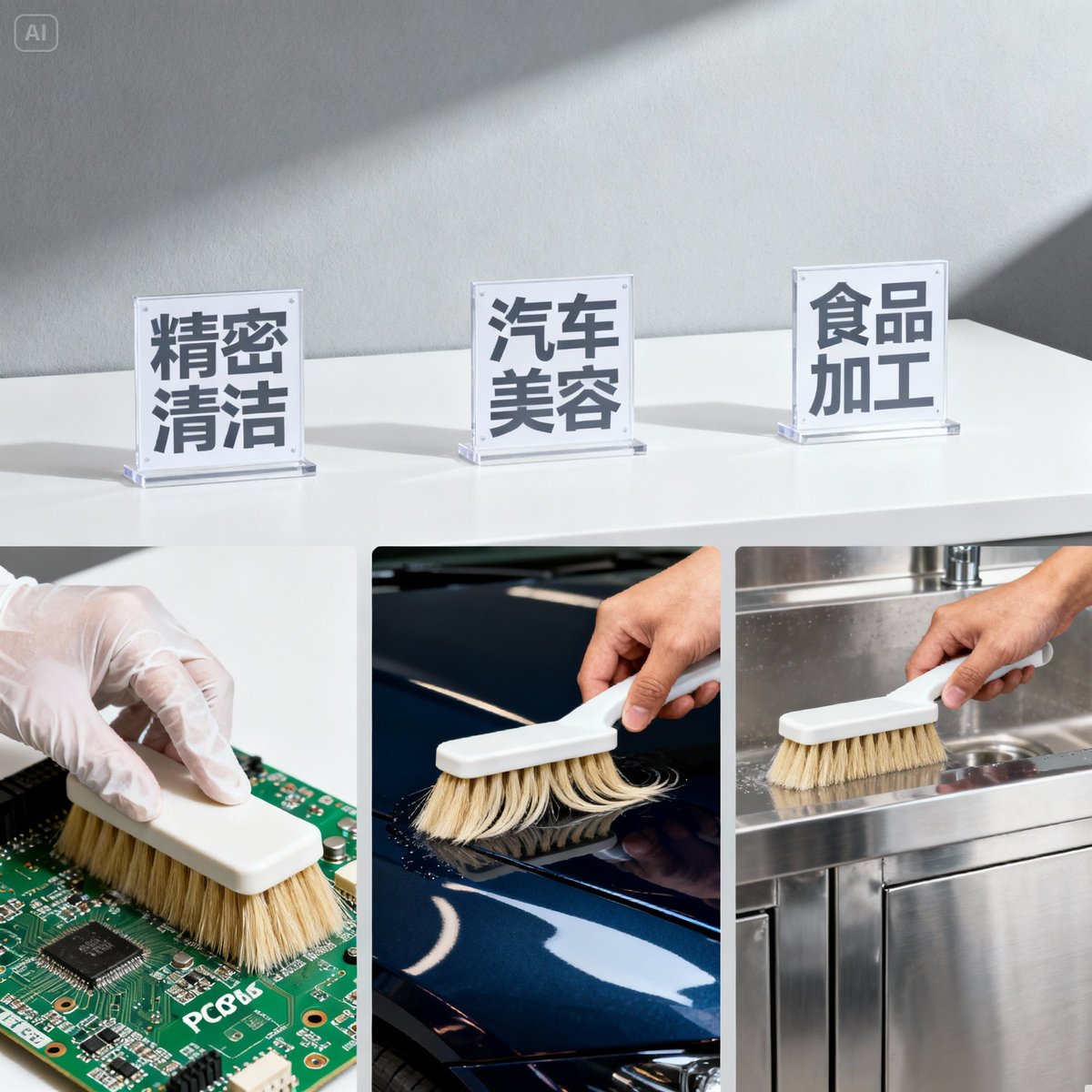
Did you know? Cleaning precision items with the wrong brush can cause irreversible scratches.
A scratched lens, damaged paintwork, a marred surface on an electronic component: all of these can be caused by a hard brush.
The soft cleaning brush exists to solve this problem. It provides cleaning that is gentle and still effective.
What is a soft brush? Definition and characteristics
A soft brush is a brush whose bristle material is soft and unlikely to scratch the surface of an object.
Compared with a hard brush, the bristles of a soft brush are finer and more resilient.
Core characteristics of a soft brush
High softness:
The bristles are soft to the touch and do not cause scratches when they contact an object.
Even surfaces that scratch easily (such as lenses and paintwork) can be cleaned safely.
Good resilience:
The bristles of a soft brush are resilient and follow the curves of the object's surface.
They are not so stiff that they fail to conform to the surface.
Good dust removal:
Soft bristles sweep dust away gently.
They do not send dust flying and cause secondary contamination.
Low tendency to generate static:
Soft brushes in certain materials (such as horsehair) have anti-static properties.
They are suited to cleaning electronic products.
Want the full picture on brushes? See The complete guide to long-bristle brushes: professional advice from buying to care.
A complete analysis of soft brush materials
The choice of material matters for a soft cleaning brush.
Different materials suit different cleaning scenarios.
Material 1: Horsehair
Horsehair is a natural animal hair, widely regarded as the finest soft brush material.
Characteristics:
- Extremely soft and fine
- Naturally anti-static
- Does not scratch any surface
- Excellent dust pickup
Advantages:
- The gentlest cleaning
- Suited to all precision items
- A premium feel
- Long service life
Disadvantages:
- Higher price
- Not water resistant (absorbs water and deforms easily)
- Needs careful maintenance
Where it fits:
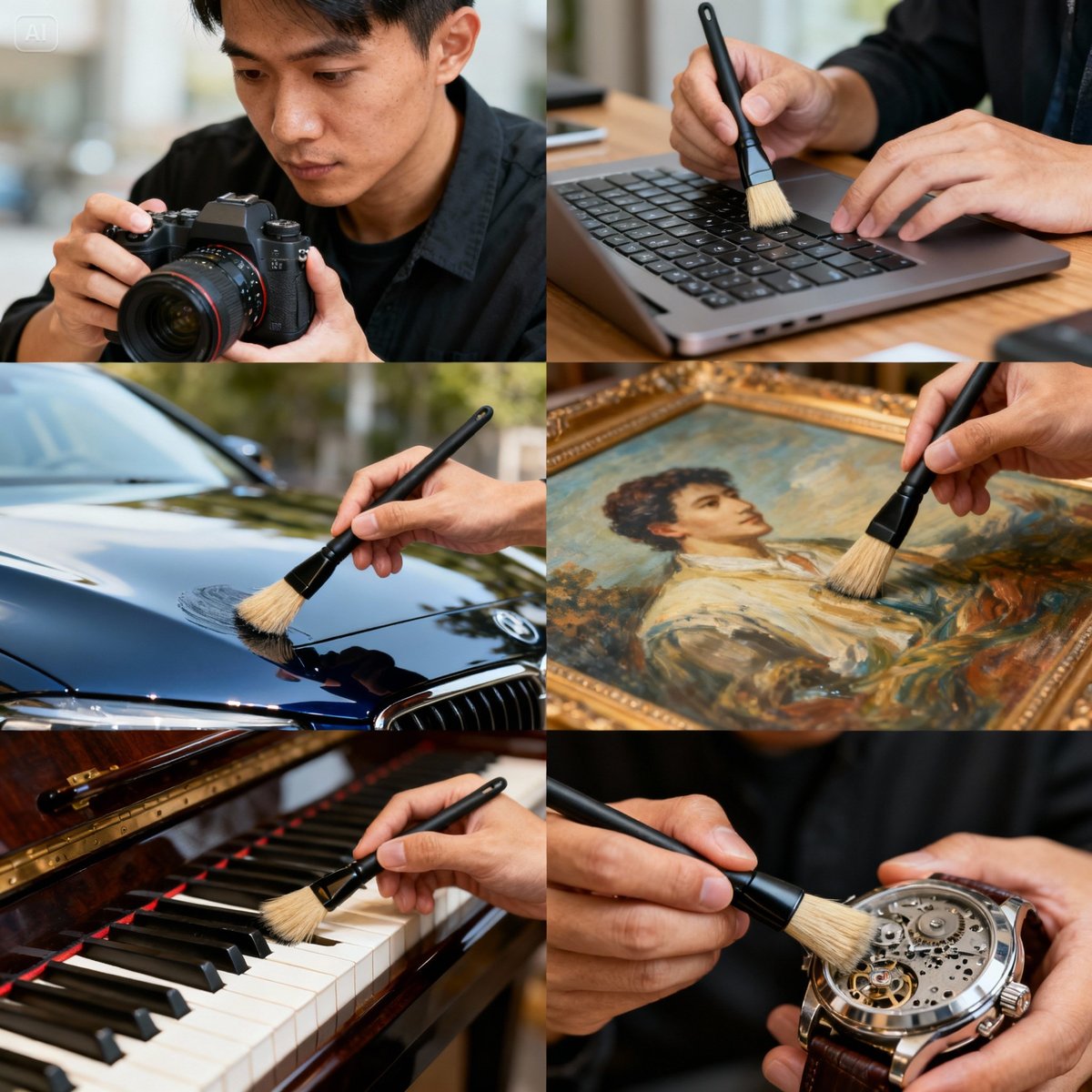
- Dusting camera lenses
- Cleaning antiques and artifacts
- Maintaining precision instruments
- Dusting the surface of artworks
See the YC Brushes range of horsehair cleaning brushes, made with imported premium horsehair, quality assured.
Material 2: Soft nylon
Soft nylon is a man-made fiber, specially treated to make it soft.
Characteristics:
- Good softness
- Water resistant and durable
- Easy to wash
- Moderate price
Advantages:
- Good value for money
- Suited to frequent use
- Can be washed in water without worry
- Long life
Disadvantages:
- Not as soft as natural hair
- May generate static
- A quality product must be chosen
Where it fits:
- Cleaning car paintwork
- Dusting furniture surfaces
- Casings of electronic products
- General precision cleaning
Material 3: Goat hair
Goat hair is also a natural animal hair, with properties between horsehair and hog bristle.
Characteristics:
- Soft and fine
- Moderate toughness
- Strong dust pickup
- Mid-range price
Advantages:
- Soft, yet with a certain cleaning power
- A natural material
- Low tendency to generate static
Disadvantages:
- Not as fine as horsehair
- Needs maintenance
- Not water resistant
Where it fits:
- Makeup brushes
- Cleaning artworks
- Dusting precision parts
Material 4: Soft hog bristle
Hog bristle can be made softer by special treatment.
Characteristics:
- A natural material
- Good toughness
- Good water absorption
- A certain stiffness
Advantages:
- Stronger cleaning power
- High durability
- Affordable
Disadvantages:
- Not soft enough (relative to other soft bristles)
- May cause slight scratches
Where it fits:
- General cleaning
- Items that are not very delicate
- Dusting large areas
Material structure and specification:
Hog bristle is taken from the stiff hair on the back and neck of domestic pigs, and is made by washing, disinfecting, grading and cutting. Three structural features decide how it behaves:
- Natural taper: each bristle narrows from root to tip, so the root gives support while the tip stays soft, a gradient that synthetic fibers find hard to reproduce.
- Porosity: it can absorb a small amount of liquid, so a paint brush picks up and releases paint evenly, and a cleaning brush carries oil and grime away.
- Natural oil layer: a trace of oil on the surface improves durability.
Hog bristle does not melt and stick when heated the way plastic filament does, so it is commonly used for cleaning cast-iron pans and for oiling in baking. Animal hair does not build up static the way plastic does, so it does not keep attracting particles when electronic products are cleaned.
Hog bristle from different origins (northeast China, Europe, South America) differs in stiffness, toughness and color because of differences in climate and rearing methods. When selecting, the origin or the stiffness range must be specified; writing "hog bristle" alone is not enough.
Three application scenarios for soft cleaning brushes
Soft brushes are used more widely than you might think.
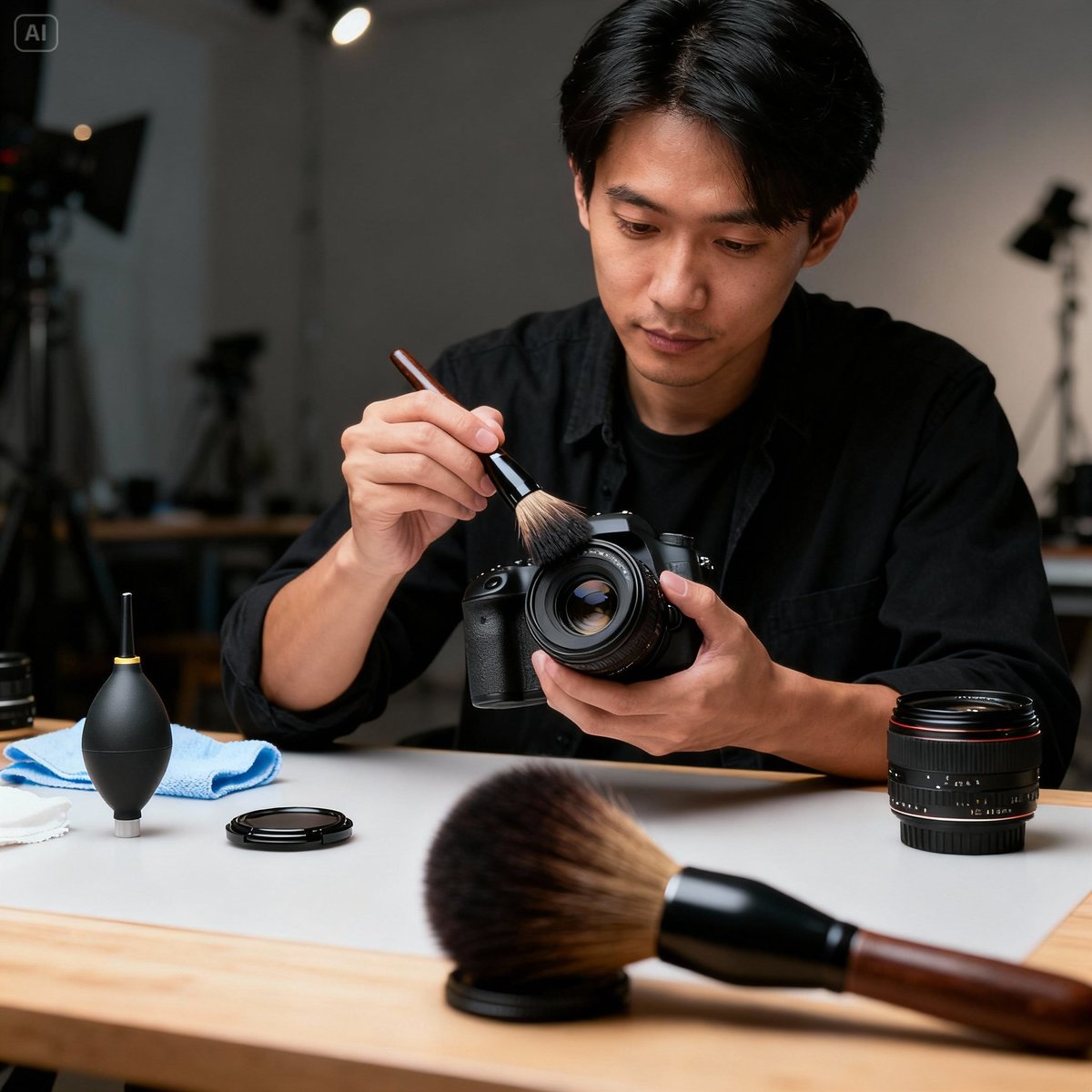
Scenario 1: Cleaning optical equipment
Optical equipment such as camera lenses, telescopes and microscopes needs a soft brush most of all.
Why a soft brush is needed:
The surface of an optical lens has a special coating.
A hard brush or a rough cloth may scratch the coating.
A soft brush sweeps dust away gently without harming the coating.
Recommended materials:
Horsehair > goat hair > soft nylon
Technique:
- Gently sweep the dust from the surface
- Do not press hard
- Sweep in one direction
- Use together with an air blower
Scenario 2: Cleaning electronic products
Laptop keyboards, phone screens, precision circuit boards and the like are all suited to a soft brush.
Why a soft brush is needed:
Electronic products are vulnerable to static, and to scratches.
Soft brushes (horsehair in particular) have anti-static properties.
They can clean electronic products safely.
Recommended materials:
Horsehair (anti-static) > soft nylon
Technique:
- Switch off the power before cleaning
- Sweep the dust away gently
- Use together with compressed air
- Avoid excessive force
If you need a professional cleaning brush for electronic products, YC Brushes can supply custom anti-static soft brushes that meet the needs of the electronics industry.
Scenario 3: Car paintwork care
Cleaning car paintwork calls for particular care.
Why a soft brush is needed:
Car paintwork has a certain hardness, but it is still vulnerable to scratches.
A soft brush gently removes dust and light dirt.
Recommended materials:
Soft nylon > soft hog bristle
Technique:
- Rinse with clean water first
- Use together with car shampoo
- Brush from top to bottom
- Avoid dry brushing
Want to know how long-handle brushes are used in car cleaning? See the car wash applications in our article on recommended long-handle cleaning brushes.
See the YC Brushes soft brushes for car detailing, designed specifically for car paintwork.
The logic of choosing between a soft brush and a hard brush
When should a soft brush be used? When should a hard brush be used?
Here is a simple selection logic.
When to choose a soft brush
Surface characteristics of the object:
- Scratches easily (lenses, paintwork, polished surfaces)
- Has a special coating (optical coating, protective layer)
- Fragile (antiques, artworks)
Cleaning requirement:
- Mainly dust removal
- No need for strong stain removal
- Gentle contact required
Value of the item:
- High-value items
- Irreplaceable items
- Precision instruments
When to choose a hard brush
Surface characteristics of the object:
- Wear resistant (concrete floors, stone)
- Rough (textured materials)
- Sturdy (metal, ceramic)
Cleaning requirement:
- Strong stain removal needed
- Stubborn stains
- Deep cleaning
Value of the item:
- Ordinary items
- Replaceable items
- Industrial environments
Using soft and hard together
Some scenarios call for soft and hard brushes used together.
For example, car cleaning:
- Paintwork: soft brush
- Gaps in the wheel rims: hard brush
- Tires: hard brush
For example, carpet cleaning:
- Surface dusting: soft brush
- Deep cleaning: hard brush
Want the complete technique for carpet cleaning? See The complete guide to cleaning long-pile carpets.
Soft brush buying guide
There are 5 key considerations when buying a soft cleaning brush.
Consideration 1: Material
Choose the material according to what is being cleaned.
Ultra-precision items: choose horsehair General precision items: choose soft nylon or goat hair Limited budget: choose soft hog bristle
See YC Brushes soft brushes in every material, from horsehair to soft nylon.
Consideration 2: Bristle density
Density affects the cleaning result.
High density:
- Good dust removal
- Sheds less
- Higher price
Low density:
- Suited to rough dusting
- Easy to wash
- Lower price
A soft brush of medium-to-high density is recommended.
Consideration 3: Handle design
The handle affects ease of use.
Short handle (10-20 cm):
- Suited to hand-held precision cleaning
- Highly maneuverable
- Suited to small items
Long handle (30-60 cm):
- Suited to cleaning large areas
- Can clean high places or narrow spaces
Want to know how to choose a long-handle brush? See our article on recommended long-handle cleaning brushes.
Consideration 4: Brush head shape
Different shapes suit different uses.
Flat:
- Suited to dusting large areas
- Highly efficient
Cylindrical:
- Suited to cleaning gaps
- Can reach into small spaces
Fan-shaped:
- Suited to lenses and optical equipment
- Gentle dusting
Consideration 5: Brand and quality
Choose a manufacturer with a good reputation.
Key quality checks:
- Whether the bristles are held securely and do not come out easily
- Whether the bristles are even and soft
- Whether the handle is sturdy
- Whether the manufacturer is experienced
YC Brushes has over 40 years of manufacturing experience. All our soft brushes go through strict quality control, the bristles are fixed securely, and quality is assured.
Techniques for use and care of soft brushes
Correct use and care extend the life of a soft brush.
Techniques for use
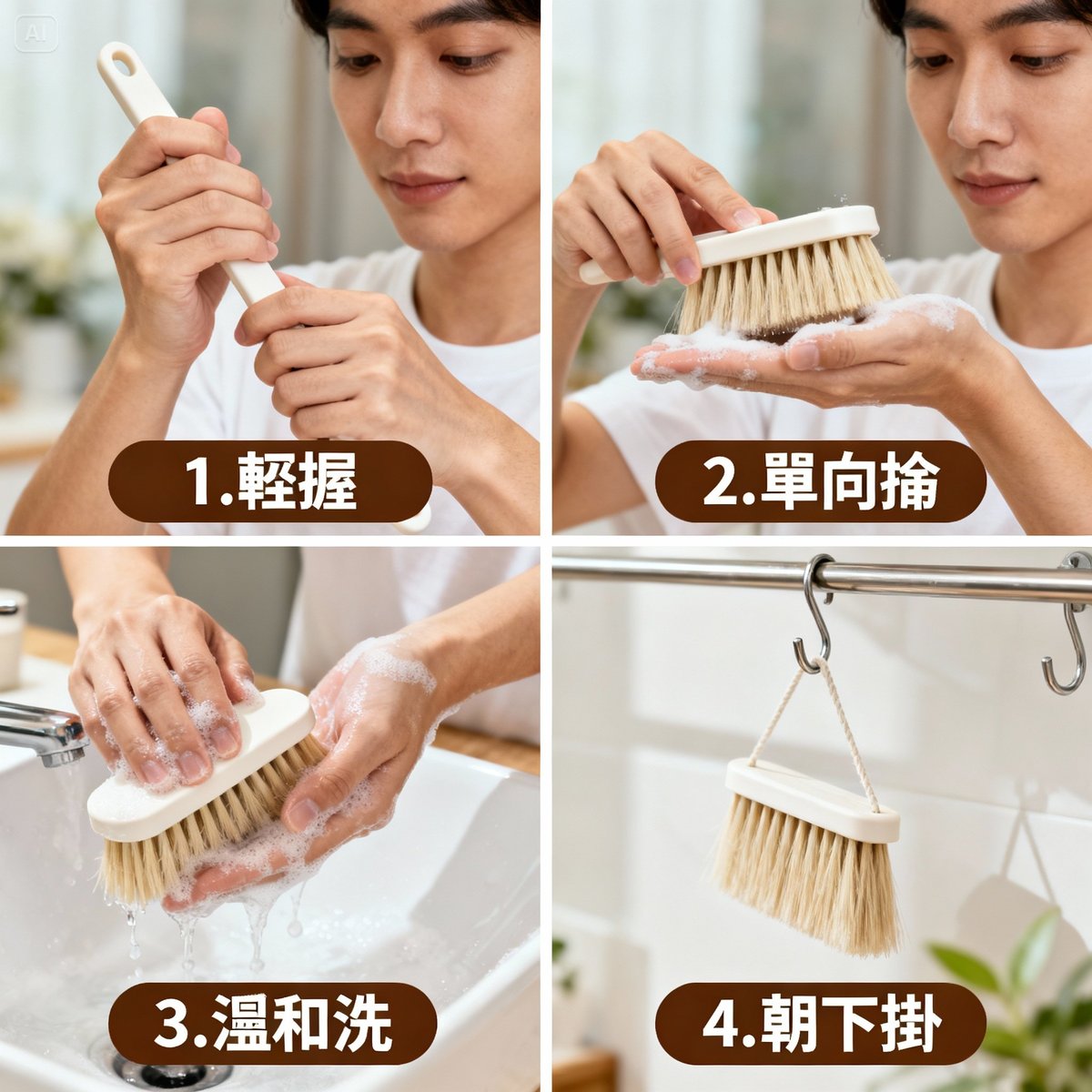
The correct grip:
Hold the handle lightly; do not grip it tightly.
Keep the wrist relaxed and the movement gentle.
The cleaning motion:
Sweep lightly in one direction; do not brush back and forth.
Do not press hard; let the bristles touch the surface naturally.
The cleaning sequence:
Dust with the soft brush first, then use other cleaning methods.
Do not use it where there is moisture or liquid (natural hair brushes).
Care
Cleaning:
After use, shake the bristles lightly to remove dust.
Wash regularly with a mild detergent.
Avoid washing natural hair brushes in water too much.
Drying:
Hang to dry with the bristles facing down.
Avoid direct sunlight.
Store only when completely dry.
Storage:
Protect with a sleeve or a box.
Avoid squeezing that deforms it.
Keep in a dry, ventilated place.
Want more tips on brush care? See The brush cleaning and care guide, covering cleaning frequency and 4 cleaning methods.
FAQ
Here are the 4 most common questions.
Does a soft brush really not scratch?
It depends on the material and on how it is used.
When used correctly:
A quality soft brush (horsehair, soft nylon) does not scratch when used correctly.
The conditions are:
- Choose a quality soft brush
- Use gentle movements
- Do not use it when there are hard particles on the surface
When used wrongly:
If you press hard, or there is grit on the surface, it may still scratch.
Advice:
Before cleaning a precision item, blow the grit off with an air blower first, then sweep lightly with the soft brush.
Which is better, natural hair or synthetic?
Each has its advantages and disadvantages.
Natural hair (horsehair, goat hair):
Advantages: extremely soft, anti-static, pleasant to the touch Disadvantages: high price, not water resistant, needs careful maintenance
Synthetic (soft nylon):
Advantages: durable, water resistant, affordable Disadvantages: slightly less soft, may generate static
Advice on choosing:
Ultra-precision items (lenses, artworks): choose natural hair General precision items (electronic products, cars): choose soft nylon
Can a soft brush be washed in water?
It depends on the material.
Man-made fiber (soft nylon):
It can be washed in water, even with detergent.
Just dry it thoroughly after washing.
Natural hair (horsehair, goat hair):
Avoid washing in water as far as possible, or rinse quickly with only a little clean water.
Too much washing deforms natural hair and makes it lose its resilience.
Advice:
Clean natural hair soft brushes mainly by dry methods (light tapping, shaking).
If washing is needed, wash quickly and dry immediately.
Can soft brushes be customized?
Yes.
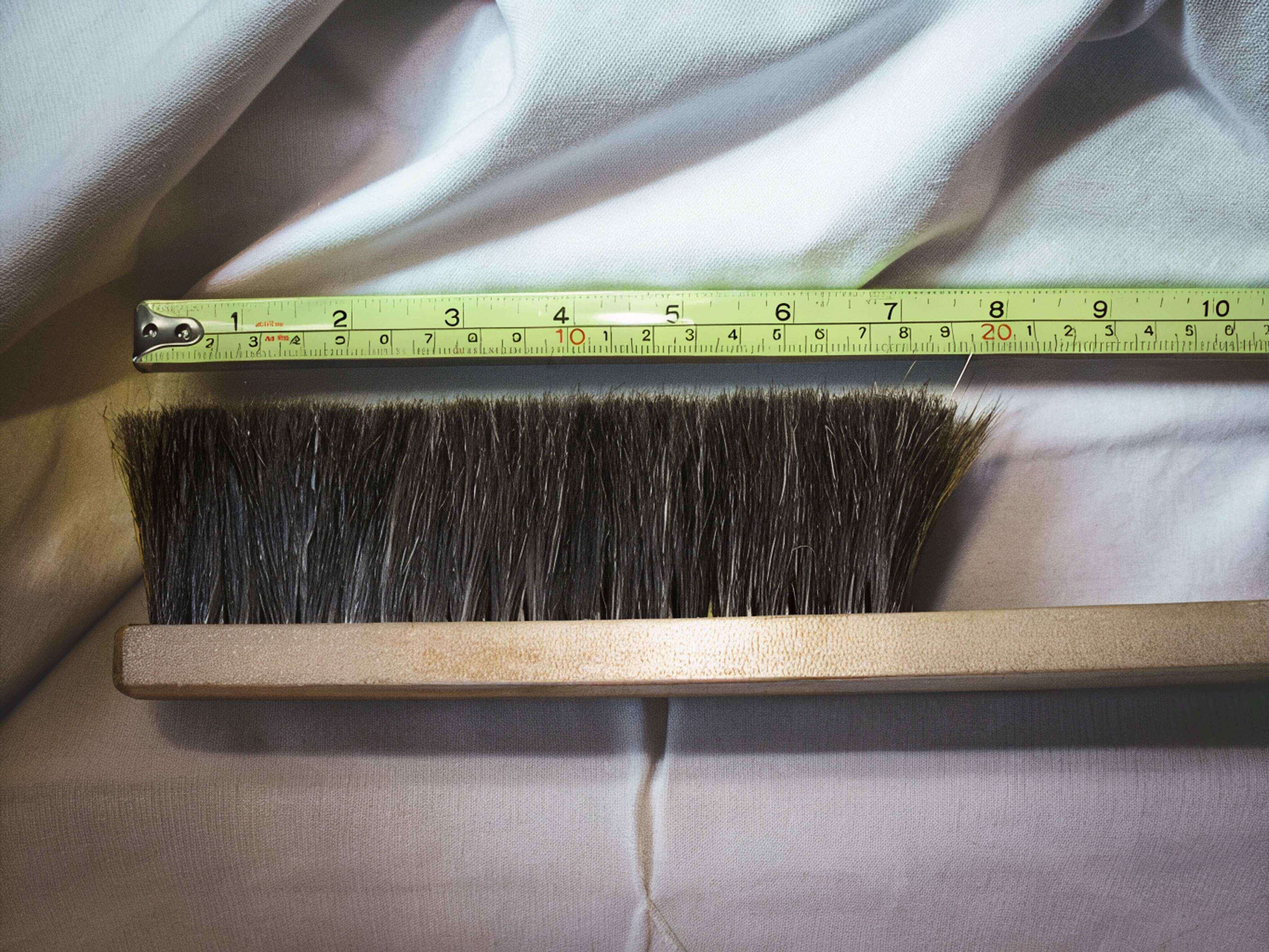
If the soft brushes on the market do not meet your needs, you can choose customization.
What can be customized:
- Bristle material (horsehair, soft nylon and so on)
- Bristle length and density
- Brush head shape and dimensions
- Handle length and material
- Special functions (anti-static, chemical resistance and so on)
YC Brushes offers a complete custom service and can design a dedicated soft brush around your precision cleaning needs.
Success stories:
- A precision electronics factory: custom anti-static soft brushes
- A museum: custom horsehair brushes for artwork care
- A car detailing business: custom long-handle soft car wash brushes
Contact us now to discuss your custom requirements.
Summary: choose the right soft brush for precision cleaning with peace of mind
The soft cleaning brush is the best choice for cleaning precision items.
Choose correctly and you can clean safely and effectively; choose wrongly and you may cause irreversible damage.
Key points in review:
- Material: horsehair is the softest (suited to ultra-precision work), soft nylon is good value (suited to general precision work)
- Applications: optical equipment, electronic products, car paintwork
- Selection logic: a soft brush for surfaces that scratch easily, a hard brush for wear-resistant surfaces
- Technique: hold lightly, sweep in one direction, do not use force
- Care: tap lightly to remove dust, avoid too much washing, dry with the bristles facing down
Professional advice:
YC Brushes offers soft cleaning brushes in every material, from horsehair to soft nylon.
With over 40 years of manufacturing experience, quality is assured, and the bristles are fixed securely and do not come out easily.
If you need a special specification or a custom soft brush, contact us now and let our professional team serve you.
Want to learn more about brushes? Go to the blog to explore more specialist articles:
- The complete guide to long-bristle brushes | Professional advice from buying to care
- Recommended long-handle cleaning brushes | 5 good-value long-handle brushes compared
- The complete guide to cleaning long-pile carpets | 3 cleaning methods and a guide to professional brushes
- The brush cleaning and care guide | Cleaning frequency, 4 cleaning methods and care tips
- Long-bristle paint brush buying guide | Long bristles or short?