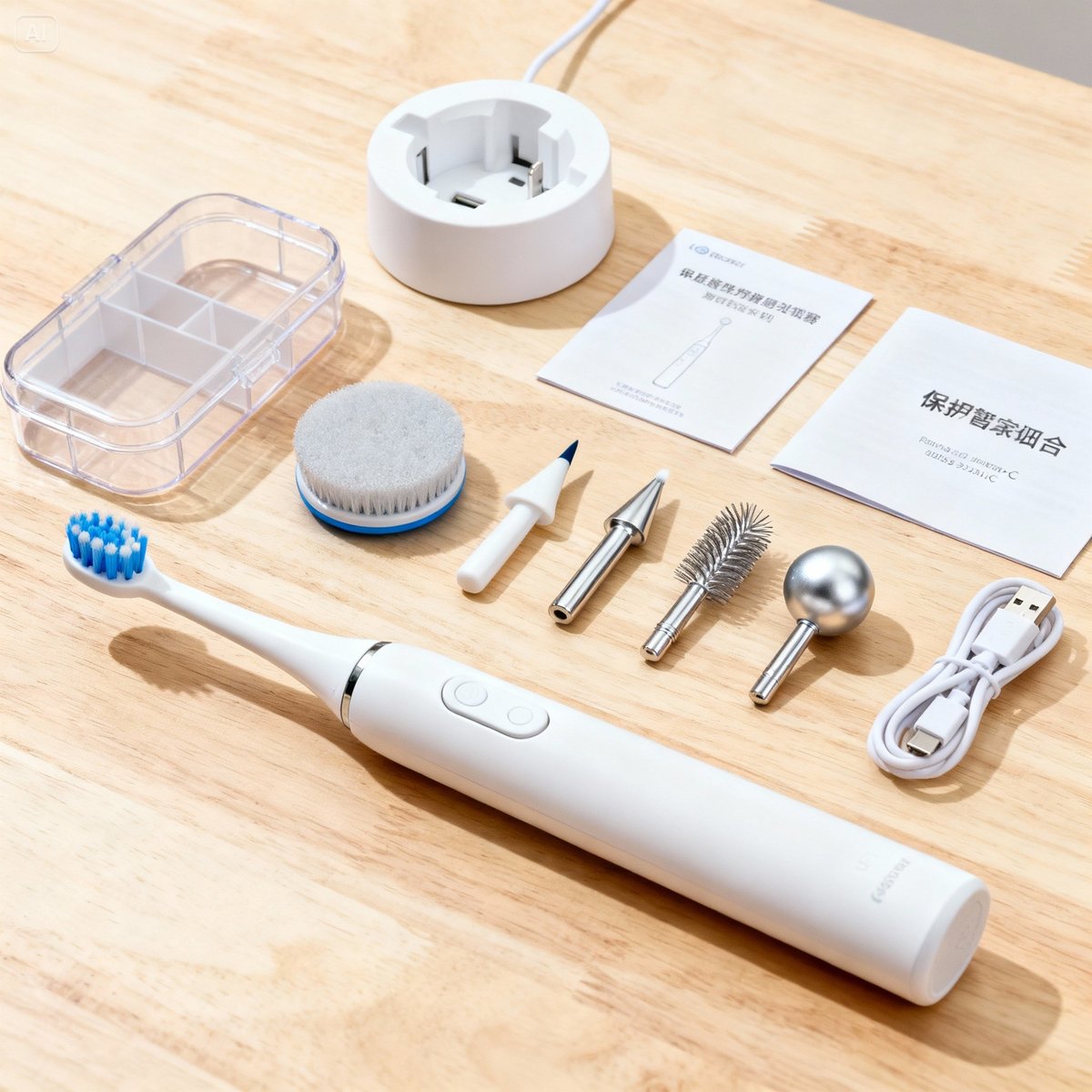
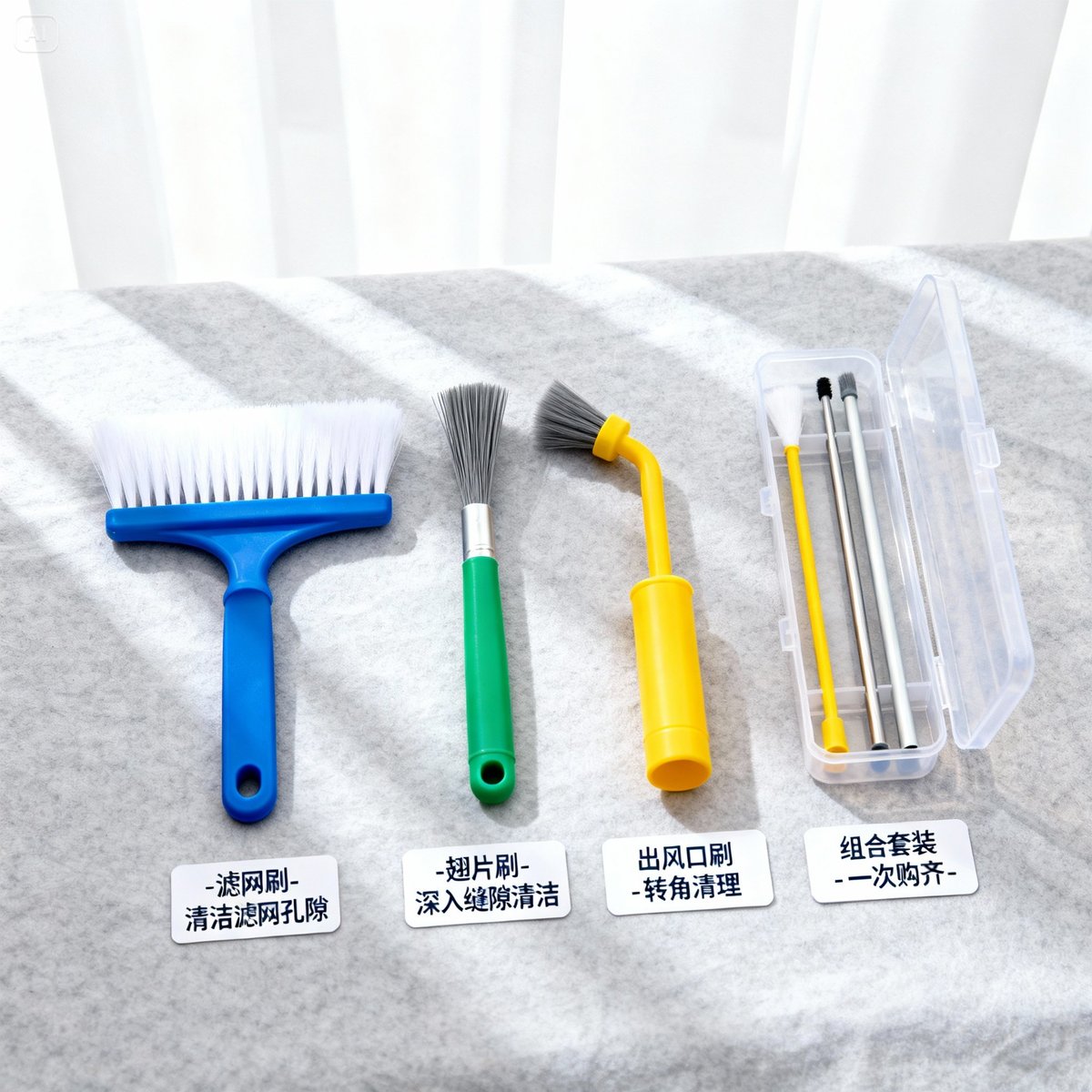
The bathroom is the part of a home where dirt builds up most easily: black mold in the tile grout lines, soap scum along the edge of the bathtub, limescale inside the toilet. Without the right tools, cleaning takes a lot of time and effort and still does not get things clean. Choosing the right bathroom cleaning brush saves both effort and time. But there are many kinds of bathroom cleaning brush, from tile brushes, toilet brushes and gap brushes to electric models. How do you choose?
This article describes the Taiwan retail market. It explains what the 5 main types of bathroom brush are for, compares manual and electric brushes in full, and introduces brands such as 3M, Artisan and Bosch, and ends with 3 set combinations based on bathroom size and cleaning priorities, to help you build a complete bathroom cleaning kit in the most economical way.
Want to know more about buying cleaning brushes? See our Complete buying guide to cleaning brushes, which analyzes each type of cleaning brush in detail.
Why does bathroom cleaning need dedicated brushes? 3 key reasons
Reason 1: Different materials need filament of different stiffness
A bathroom has surfaces made of several different materials, and using the wrong cleaning tool can damage them:
Tiles and floor:
- Need stiff filament (nylon, PP) to scrub mold and dirt out of the grout lines
- A sponge or cloth cannot reach into the grout lines, so the cleaning result is poor
Bathtub and washbasin:
- Mostly smooth surfaces (ceramic, acrylic)
- Need soft filament or a sponge to avoid scratching
Glass shower door:
- Needs a very soft sponge or a microfiber cloth
- Stiff filament will scratch the glass
Toilet:
- Needs a dedicated toilet brush (curved brush head)
- Reaches into the bend of the toilet to clean it
Reason 2: Different locations need brush heads of different shapes
A bathroom has many dead corners and gaps that a traditional cloth or sponge cannot clean:
Tile grout lines: need a long, narrow gap brush (0.5-1 cm wide)
Corners: need an angled brush or a rotating brush head
High wall areas: need a long-handled brush (60-100 cm)
Around the faucet: needs a small brush (about the size of a toothbrush)
Reason 3: Dedicated brushes are far more efficient than traditional tools
A cloth or sponge only wipes the surface; at tile grout lines, corners and the base of the faucet you have to wipe again and again, which is tiring and still does not get things clean. The filament of a dedicated brush reaches straight into the gaps, and with a long handle you can clean standing up, so both cleaning time and physical effort drop noticeably.
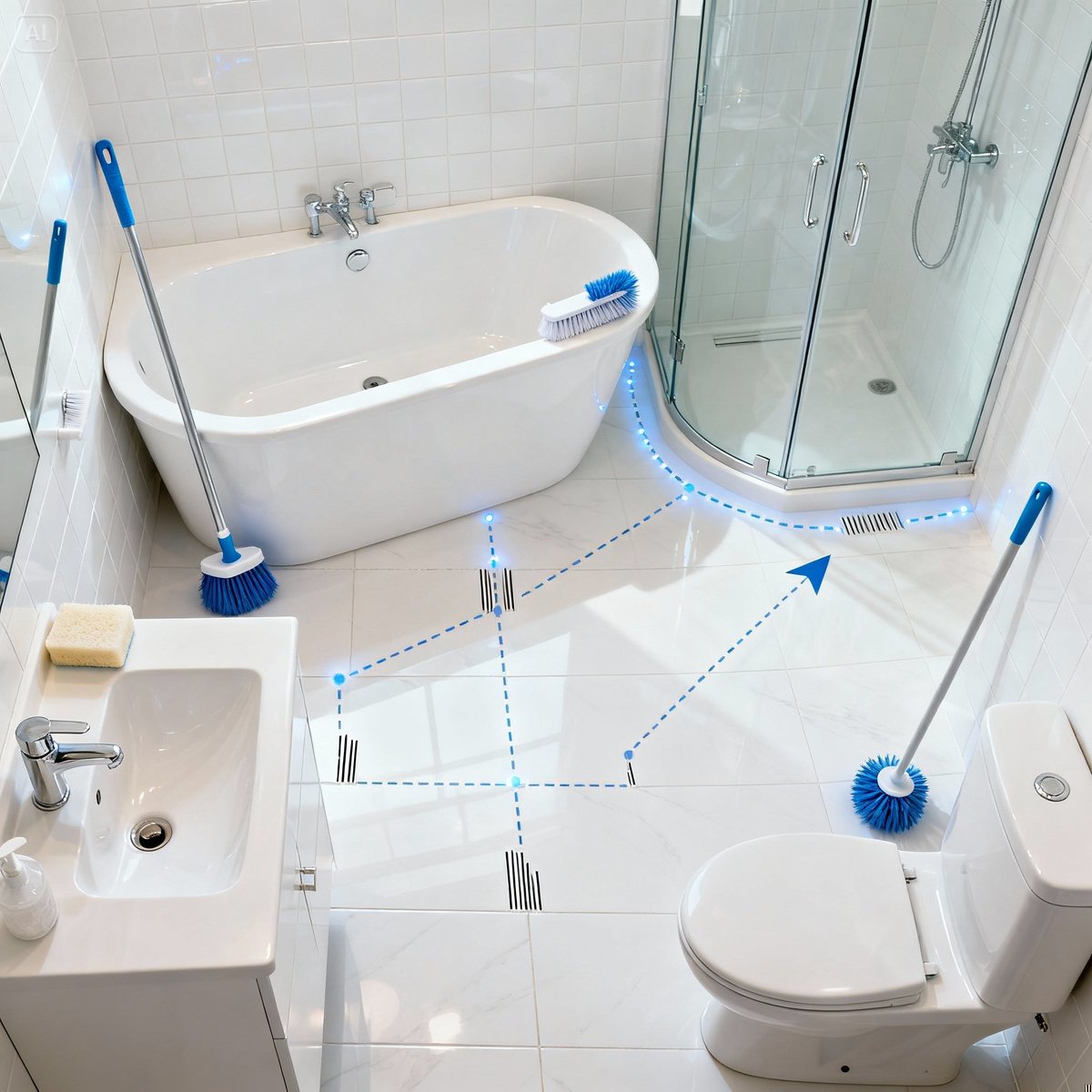
The 5 types of bathroom cleaning brush explained | Efficiency comes from each doing its own job
Type 1: Tile floor brush | Essential for large areas
Design features:
- Long handle (60-120 cm), so you can clean standing up without bending over
- Wide brush face (15-25 cm) for cleaning large areas quickly
- Stiff nylon filament that scrubs mold and dirt out of the grout lines
- Some models have a replaceable brush head
Price range: from budget to mid-range, depending on the brand and the sales channel
Advantages:
- ✓ Clean standing up, with no bending or kneeling
- ✓ Fast cleaning, about 3-5 minutes per ping (the ping is the unit of floor area used in Taiwan)
- ✓ Reaches into the tile grout lines
Disadvantages:
- ⚠ Cannot clean very fine gaps (needs to be paired with a gap brush)
- ⚠ Not suitable for smooth surfaces such as bathtubs
- ⚠ Needs storage space (it is fairly long)
Suitable for: every bathroom (an essential tool)
Type 2: Toilet brush | A dedicated brush head for deep cleaning
Design features:
- Curved brush head that reaches into the bend of the toilet
- Filament arranged in a ball or oval shape
- Comes with a base for hygienic storage
- Materials include traditional nylon, silicone and disposable types
Price range: from budget to mid-to-high, depending on the material and type
Recommended brands and types:
Traditional nylon toilet brush (budget)
- Advantages: cheap, strong cleaning power
- Disadvantages: the filament traps dirt easily and needs regular replacement
Silicone toilet brush (mid-range)
- Advantages: does not trap dirt easily, easy to wash, durable
- Disadvantages: slightly weaker cleaning power, higher price
Disposable toilet brush (mid-range, including a set of brush heads)
- Advantages: the most hygienic, thrown away after use
- Disadvantages: higher cost in the long run
Suitable for: every bathroom (an essential tool)
Want a detailed comparison of toilet brushes? See our Toilet cleaning brush recommendations (coming soon).
Type 3: Bathtub brush | Soft filament that does not scratch
Design features:
- Soft nylon filament or sponge material
- Medium-length handle (30-50 cm)
- Curved brush face that follows the curve of the bathtub
- Some models are telescopic
Price range: from budget to mid-range
Advantages:
- ✓ Soft filament does not scratch the bathtub surface
- ✓ Can clean washbasins, kitchen counters and other smooth surfaces
- ✓ The medium-length handle lets you clean the bottom of the bathtub without bending over
Disadvantages:
- ⚠ Less cleaning power than a stiff brush
- ⚠ Cannot remove stubborn limescale (needs to be used with a cleaning agent)
Suitable for: households with a bathtub
Type 4: Gap brush | The rescue tool for dead corners
Design features:
- Long, narrow brush head (0.5-1.5 cm wide)
- Stiff filament that reaches into gaps
- About 15-30 cm long
- Some models have a bendable brush head
Price range: from budget to mid-range
Recommended brands:
- 3M fine gap brush (mid-range): high filament density
Where it is used:
- ✓ Tile grout lines (0.3-0.5 cm wide)
- ✓ Window tracks
- ✓ Around the base of the faucet
- ✓ Gaps around the drain cover
- ✓ The joint between the door frame and the wall
Suitable for: every bathroom (an essential tool, especially where there is a mold problem)
Type 5: Faucet cleaning brush | The specialist for details
Design features:
- Small brush head (1-3 cm in diameter)
- Fine, dense filament
- Short handle (10-15 cm)
- Some models come with several brush heads
Price range: from budget to mid-range
Recommended brands:
- Dedicated faucet brush (mid-range)
Where it is used:
- ✓ Faucet outlet (the strainer)
- ✓ Gaps in the shower head
- ✓ Drain holes
- ✓ Small gaps
Suitable for: bathrooms where details matter or where limescale is a problem
Manual vs electric bathroom cleaning brushes: a full comparison
| Item compared | Manual cleaning brush | Electric cleaning brush | Difference |
|---|---|---|---|
| Price | Budget (as a set) | Mid-to-high | Electric brushes are clearly more expensive |
| Cleaning time | Longer | Shorter | Electric brushes save more time |
| Physical effort | ★★★☆☆ (moderate) | ★☆☆☆☆ (very low) | Electric brushes take no effort at all |
| Cleaning result | ★★★★☆ (excellent) | ★★★★★ (outstanding) | Electric brushes clean more thoroughly |
| Range of use | All surfaces | Most surfaces | Manual brushes are more flexible |
| Consumables needed | No | Needs charging or mains power | Electric brushes have limits on use |
| Weight | Lighter | Heavier (motor and battery included) | Manual brushes are lighter |
| Storage | Takes little space | Needs a charging base | Manual brushes are easier to store |
| Ease of operation | ★★★☆☆ | ★★★★☆ | Electric brushes can be used with one hand |
| Service life | 6-12 months | 2-3 years | Electric brushes last longer |
| Suitable for | Limited budgets, ordinary households | Those who want efficiency or have limited strength | Choose according to need |
How to choose
When to choose a manual cleaning brush:
- ✓ Limited budget
- ✓ Small bathroom (under 2 ping)
- ✓ Low cleaning frequency (once a month)
- ✓ Limited storage space
When to choose an electric cleaning brush:
- ✓ Ample budget
- ✓ Large bathroom (over 3 ping)
- ✓ High cleaning frequency (once a week or more)
- ✓ Limited strength, a sore back, or older users
Want a detailed comparison of electric cleaning brushes? See our Electric cleaning brush recommendations 2026.
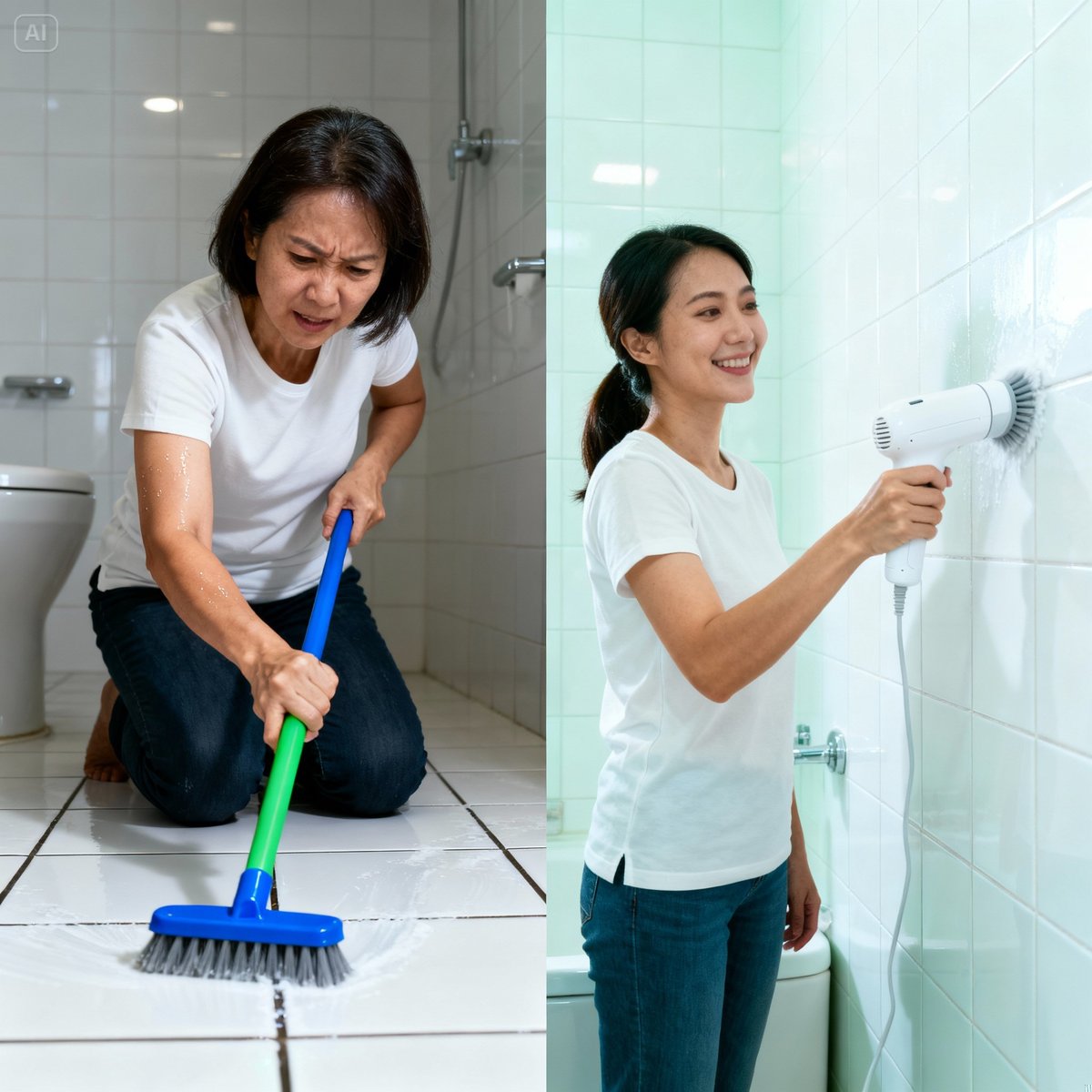
Recommended bathroom cleaning brush sets | 3 plans for different needs
Based on bathroom size, budget and cleaning priorities, we have put together 3 bathroom cleaning brush sets:
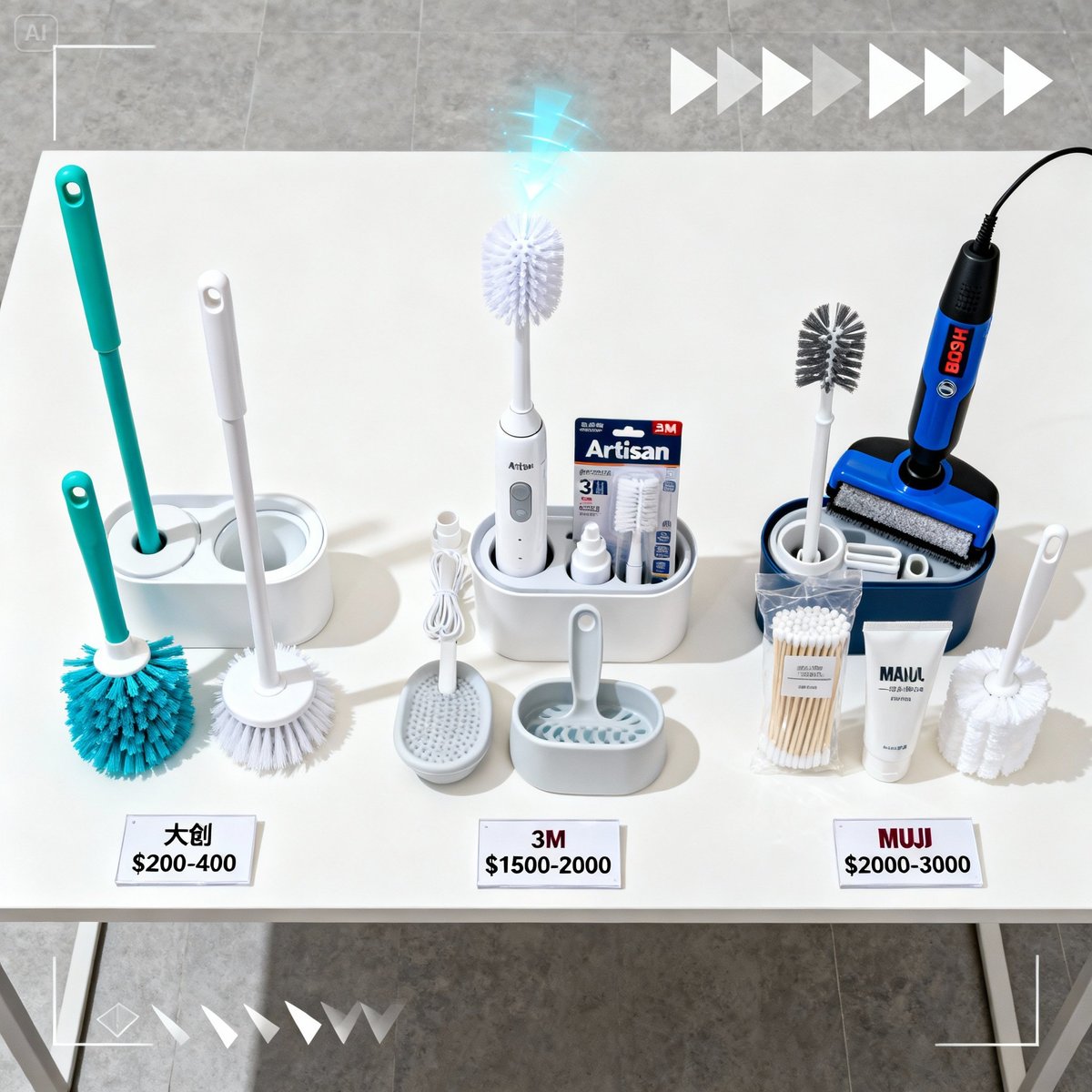
Plan 1: Basic set | First choice on a tight budget
Suitable for: limited budgets, renters, small bathrooms (under 2 ping)
What is in the set:
- Long-handled tile brush (budget)
- Traditional toilet brush (budget)
- Gap brush set (budget)
- Small cleaning brush set (budget, includes a faucet brush)
- Sponge or scouring pad (budget, for cleaning the bathtub and washbasin)
Total price: a budget set; the total spend is not high
Advantages:
- ✓ Extremely cheap
- ✓ Easy to buy (an ordinary household goods store has everything)
- ✓ Covers all the basic cleaning needs
Disadvantages:
- ⚠ Average durability (about 6-12 months)
- ⚠ Lower cleaning efficiency
- ⚠ Takes more physical effort
Plan 2: Upgraded set | The best value for money
Suitable for: ordinary households, medium to large bathrooms (3-5 ping), high cleaning frequency
What is in the set:
- Artisan electric cleaning brush (mid-to-high price)
- Can clean tiles, gaps, bathtubs and many other surfaces
- 3M gap brush set (mid-range)
- Handles very fine gaps
- Silicone toilet brush (mid-range)
- Hygienic and easy to wash
Total price: a mid-to-high price set; the actual spend depends on the items purchased
Advantages:
- ✓ High cleaning efficiency, saving time and effort
- ✓ Takes no effort at all
- ✓ One machine for many uses (it can also clean the kitchen, the balcony and so on)
- ✓ Stable quality and a long service life
Disadvantages:
- ⚠ Higher initial investment
- ⚠ The electric brush needs regular charging
Recommendation rating: ★★★★★ (the most recommended plan)
Plan 3: Detail set | Targeted cleaning of small areas
Suitable for: households that want an electric brush for stubborn dirt in small areas such as the sink, the stovetop and tile grout lines
What is in the set:
- Bosch UniversalBrush electric cleaning brush (mid-range)
- A light handheld model (about 0.33 kg, about 14 cm long) with no long pole
- Bathtub brush (mid-range)
- Gap brush set (mid-range)
- Disposable toilet brush set (mid-range)
- The most hygienic choice
Total price: a mid-range set; the actual spend depends on the items purchased
Advantages:
- ✓ A light body that handles local stubborn dirt with one hand
- ✓ Suited to small areas such as the sink, the stovetop and tile grout lines
Disadvantages:
- ⚠ No long pole, so not suited to large floor areas or high wall areas
- ⚠ Large areas still need a long-handled tile brush as well
Recommendation rating: ★★★★☆ (suited to specific needs)
FAQ
1. Do I really need to buy so many kinds of bathroom cleaning brush?
It depends on the size of the bathroom and your cleaning needs.
The bare minimum (essential):
- ✓ 1 tile floor brush
- ✓ 1 toilet brush
- ✓ 1-2 gap brushes
These 3 tools handle most bathroom cleaning needs, and if you buy them at a household goods store such as Daiso, the total falls in the budget range.
Suggested additions (to improve the cleaning result):
- Bathtub brush (essential if you have a bathtub)
- Electric cleaning brush (for those who want efficiency)
- Small brush set (for those who care about details)
2. How do I choose between a manual and an electric cleaning brush?
Limited budget: choose manual cleaning brushes
- A basic set meets the need without costing much
- Cleaning is slower but good enough
Medium budget: an electric cleaning brush is strongly recommended
- Artisan is mid-to-high in price and good value for money, which makes it a good choice
- It saves time and effort and is definitely worth it over the long term
Only want to tackle stubborn dirt in small spots: choose a light handheld electric brush
- The Bosch UniversalBrush is a mid-range, light handheld model
- Suited to small areas such as the sink, the stovetop and tile grout lines; it has no long pole and is not suited to large areas
Special cases:
- Limited strength, older users: an electric model is recommended whatever the budget
- Small studio apartments (under 2 ping): a manual model is enough
- Low cleaning frequency (once a month or less): a manual model is enough
3. How often should bathroom cleaning brushes be replaced?
It depends on the type of brush and how often it is used.
Manual cleaning brushes:
- Tile brush: 6-12 months (the filament wears and deforms)
- Toilet brush: 3-6 months (for hygiene reasons, sooner is better)
- Gap brush: 6-12 months
- Bathtub brush: 6-12 months
Electric cleaning brushes:
- Main unit: 2-3 years (the battery ages)
- Brush heads: 3-6 months (similar to manual brushes)
How to tell it is time to replace:
- The filament is clearly worn, shorter or split
- The cleaning result has clearly dropped
- The filament is stained and the stains cannot be removed
- The toilet brush is discolored or smells
Tips for a longer service life:
- Rinse with clean water immediately after use
- Soak regularly in a cleaning agent to disinfect (except toilet brushes)
- Leave to dry in a ventilated place to prevent mold
- Use different brushes for different areas to avoid cross-contamination
4. Can bathroom cleaning brushes be used elsewhere?
Yes, but we suggest keeping them separate to avoid cross-contamination.
A tile brush can be used for:
- ✓ Tiled kitchen walls
- ✓ Balcony floors
- ✓ Living room floors (tiled)
A gap brush can be used for:
- ✓ Window tracks
- ✓ Gaps in the kitchen counter
- ✓ Any narrow gap
An electric cleaning brush can be used for:
- ✓ Kitchen grease
- ✓ Balcony floors
- ✓ Car wheel rims
- ✓ Window screens (with a suitable brush head)
Not recommended:
- ✗ A toilet brush is for the toilet only and must not be used in other areas
- ✗ Bathroom brushes are not recommended for the kitchen (for hygiene reasons)
Suggested practice: if you want one type of brush for several uses, buy brushes in different colors to tell the uses apart (for example, blue for the bathroom and green for the kitchen).
5. How should bathroom cleaning brushes be washed and maintained?
Correct washing and maintenance can noticeably extend the life of your brushes.
Washing steps after use:
- Rinse the filament with clean water right away: removes leftover dirt and cleaning agent
- Rub the filament with your hands: makes sure deep dirt is removed
- Shake off the water: shake hard several times
- Leave to dry in a ventilated place: filament facing down or laid flat, so that water does not collect
Regular deep cleaning (once a month):
Method 1: Disinfecting with bleach
- 500 ml of water + 10 ml of bleach
- Soak for 10-15 minutes
- Rinse clean with water
- For: tile brushes, gap brushes
Method 2: Cleaning with baking soda solution
- 500 ml of water + 2 tablespoons of baking soda
- Soak for 30 minutes
- Rinse clean with water
- For: all brushes (it is milder)
Method 3: Cleaning with dish soap
- Water + dish soap
- Soak for 15-20 minutes
- Rinse clean with water
- For: bathtub brushes, sponge brushes
Special reminders:
- Spray a toilet brush with disinfectant after use; it does not need soaking
- The main unit of an electric cleaning brush must not be put in water; only the brush heads can be rinsed
- Avoid long soaking (more than 1 hour), which damages the filament and the handle
6. Can an electric cleaning brush completely replace manual brushes?
It can take over most of the cleaning work, but we suggest using both.
Where an electric brush can fully take over:
- ✓ Cleaning large tiled areas
- ✓ Cleaning the bathtub
- ✓ Cleaning the washbasin
- ✓ Cleaning ordinary gaps
Where a manual brush is still needed:
- Very fine gaps (below 0.3 cm): the electric brush head is too large to get in
- Corners at awkward angles: an electric brush is harder to handle
- Delicate surfaces: a manual brush gives more precise control of pressure
The best combination:
- Electric cleaning brush (the main tool, handling most of the cleaning work)
- + 1-2 gap brushes (for very fine gaps)
- + 1 toilet brush (for the toilet only)
Total price: mid-to-high (Artisan electric brush + accessories)
In this combination the electric brush does most of the cleaning and manual brushes cover the fine gaps and the toilet, a setup that balances efficiency and cost.
Conclusion: choose the right bathroom cleaning brush and cleaning efficiency leaps ahead
After a full comparison and analysis, bathroom cleaning brushes really are the key tool for raising cleaning efficiency. The right combination of brushes can noticeably cut cleaning time and reduce physical effort.
Final buying advice
Basic set (budget):
- Long-handled brush + toilet brush + gap brush set
- Suited to those on a tight budget and renters
Upgraded set (mid-to-high price, the most recommended):
- Artisan electric cleaning brush + gap brush + silicone toilet brush
- The best value for money, suited to most households
Detail set (mid-range):
- Bosch UniversalBrush light handheld electric brush + bathtub brush + gap brush set
- Suited to targeted cleaning of small areas such as the sink, the stovetop and tile grout lines
Checklist before you buy
- Confirm the size of the bathroom and your cleaning needs
- Confirm your budget range
- Confirm whether you need an electric model
- Confirm where to buy (physical store or online)
- Confirm that the accessories are complete (types of brush head)
Want more tips on using cleaning brushes? See our article "How often should brushes be washed" (coming soon).
Professional cleaning brush solutions from YC Brushes
If you are a professional user who needs bathroom cleaning brushes in large quantities, such as a hotel, guesthouse, property management company or cleaning company, YC Brushes has over 40 years of professional brush manufacturing experience and offers:
Volume purchase plans
- Volume purchase discounts for hotels, guesthouses and property management
- Filament material, stiffness and shape can be customized
- Professional consultation to help you choose the most suitable cleaning tools
Contact YC Brushes now to discuss your professional cleaning brush needs, or see the full product catalog.
Further reading
Want to know more about cleaning brushes? We recommend:
- Complete buying guide to cleaning brushes | Straw brushes, tube brushes and electric brushes all covered
- Electric cleaning brush recommendations 2026 | Popular brands fully compared
- Are electric cleaning brushes any good? | Full analysis of pros and cons and a guide to pitfalls
- Are window screen cleaning brushes any good? | Daiso window screen brush reviews and usage tips
- Toilet cleaning brush recommendations | Disposable vs traditional toilet brushes compared (coming soon)
Go to the blog to explore more specialist articles on brushes and cleaning tools.