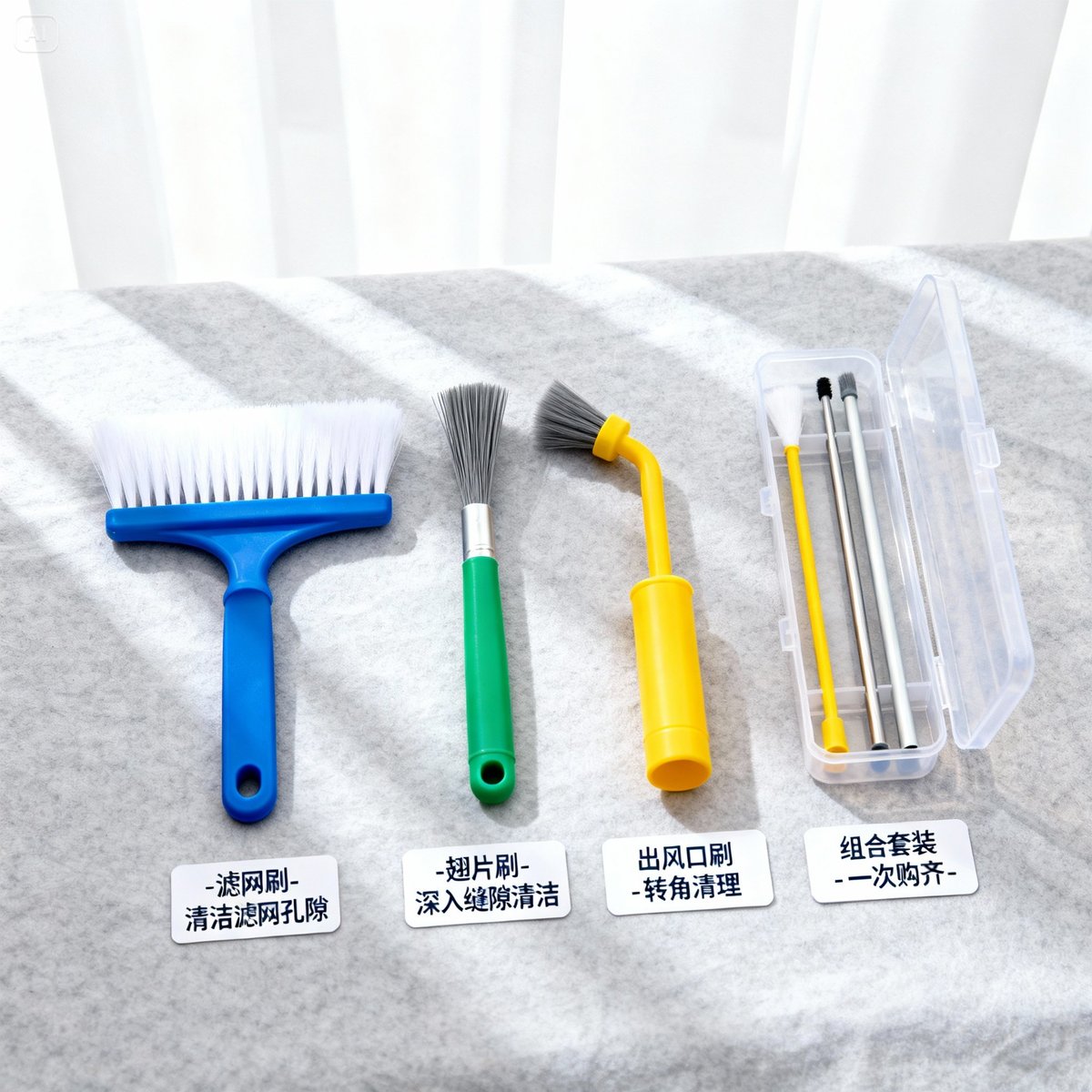
Every time the season changes and the big clean comes around, the biggest headache is cleaning the window screens. Wipe them with a cloth and the dust does not come off and ends up flying everywhere; take them down to wash and they are heavy and awkward, and you worry about not getting them back in. A window screen cleaning brush solves these problems: it brushes away dust and dirt without taking the screen down, raising cleaning efficiency by 60-70%. But there are many kinds of window screen brush on the market, from budget manual models to higher-priced electric ones. How do you choose?
This article describes the Taiwan retail market. It tests the Daiso window screen cleaning brush and explains the differences between double-sided, folding and electric models and how to use them, to help you find the most suitable window screen cleaning tool with the best value for money.
Want to know more about buying cleaning brushes? See our Complete buying guide to cleaning brushes, which analyzes each type of cleaning brush in detail.
Why do you need a dedicated window screen cleaning brush? 3 pain points solved at once
Pain point 1: Wiping with a cloth only makes the dust dirtier
When you wipe a window screen with a wet cloth in the traditional way, the dust turns into a muddy stain once it meets water, sticks to the mesh and becomes even harder to remove. And a cloth only wipes the surface; it cannot get into the openings of the mesh.
The advantages of a dedicated window screen brush:
- Fine, dense filament reaches into the mesh and brushes out the dust stuck in the openings
- It can dry-brush without water, so the dust does not clump
- The double-sided design cleans the inside and outside at once, doubling efficiency
Pain point 2: Taking the screen down is a hassle, and putting it back is harder
Taking a window screen down to wash it is thorough, but it takes too much time and effort:
- Tools are needed to remove it (a screwdriver and so on)
- A window screen has some weight to it, and carrying it to the bathroom to rinse is tiring
- Refitting means lining it up with the track, and it often does not go in properly
- The screen frame or its catches are easily damaged in the process
The advantages of a dedicated window screen brush:
- No need to take the screen down at all; clean it right in the window frame
- One window screen done in 3-5 minutes
- No worry about not getting it back in or damaging it
Pain point 3: Low efficiency, only a few screens cleaned in a whole day
Cleaning window screens with a cloth or sponge is extremely inefficient:
- Cleaning 1 window screen takes 15-20 minutes
- The 6-8 window screens of a whole home take 2-3 hours
- Fingers catch in the mesh, which is uncomfortable
- The cloth gets dirty and has to be washed again and again
The advantages of a dedicated window screen brush:
- Cleaning 1 window screen takes only 3-5 minutes (efficiency up by 60-70%)
- All the window screens in a home done in 30-40 minutes
- A comfortable handle that does not make the hand ache
- When the filament gets dirty, a rinse with water is enough

Types of window screen cleaning brush explained | How to choose among the 3 types
Type 1: Traditional double-sided window screen brush | The best value for money
Design features:
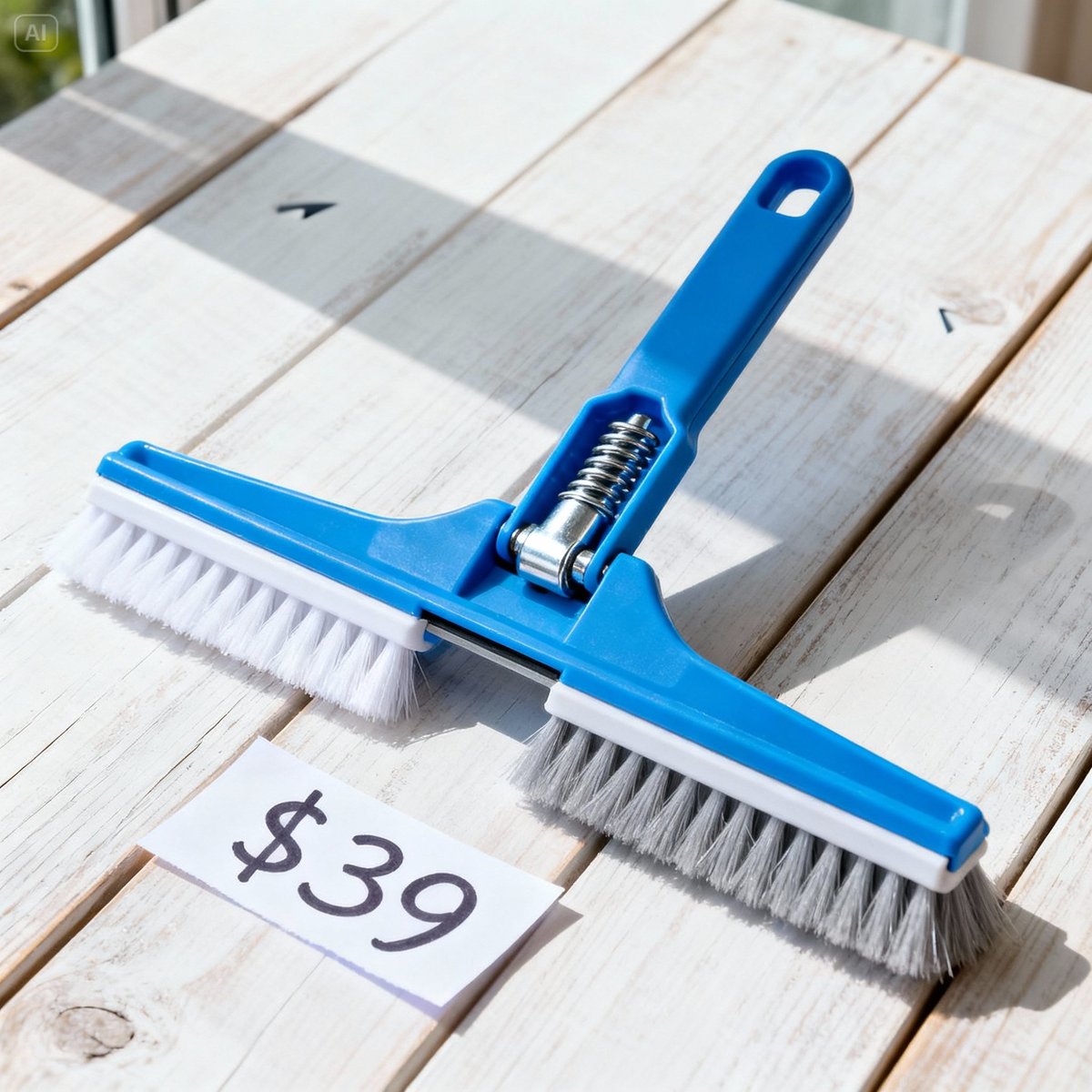
- Two brush faces joined by the handle, in the shape of a "clip"
- A magnet or spring between the brush faces clamps both sides of the window screen
- The filament is usually nylon, or the faces are sponge
- The handle is about 20-30 cm long
Price range: budget
Advantages:
- ✓ The cheapest (this type is common at household goods stores such as Daiso)
- ✓ Cleans the inside and outside of the screen at once, so efficiency is high
- ✓ No need to take the screen down; used right in the window frame
- ✓ Light and easy to store
Disadvantages:
- ⚠ Needs both hands (one holding the brush, one steadying the screen)
- ⚠ The filament wears easily and needs regular replacement
- ⚠ High window screens are harder to clean
Suitable for: limited budgets, ordinary households, a small number of window screens (6 or fewer)
Type 2: Folding window screen brush | Easy to store
Design features:
- A folding design that takes little storage space
- The handle is telescopic or comes apart in sections
- On some models the brush head rotates 360 degrees
- A narrower brush face (about 10-15 cm wide)
Price range: budget to mid-range
Advantages:
- ✓ Small when folded, easy to store
- ✓ The telescopic handle reaches high window screens
- ✓ The rotating brush head makes cleaning corners more flexible
Disadvantages:
- ⚠ Cleans one side only, so the inside and outside each need a pass
- ⚠ The narrower brush face takes longer on large screens
- ⚠ The folding mechanism breaks easily
Suitable for: limited storage space, high window screens to clean, apartments and studios
Type 3: Electric window screen cleaning brush | The first choice for saving effort
Design features:
- An electric rotating brush head (corded or cordless)
- The brush head is usually round (8-12 cm in diameter)
- Some models come with an adjustable extension pole (such as the Artisan CB301), and there are also handheld models
- Some models have adjustable speed
Price range: mid-to-high
Advantages:
- ✓ Takes no effort at all; the electric brush head does the cleaning
- ✓ The highest cleaning efficiency (2-3 minutes per window screen)
- ✓ Models with an extension pole make high window screens easier to clean
- ✓ Different brush heads can be fitted to clean other areas
Disadvantages:
- ⚠ Higher price
- ⚠ Needs charging or mains power
- ⚠ Heavier than a manual brush
- ⚠ Noisier
Suitable for: ample budgets, many window screens (8 or more), older users or those with limited strength
Want a detailed comparison of electric cleaning brushes? See our Are electric cleaning brushes any good?, a full analysis of pros and cons.
Daiso window screen cleaning brush review | Outstanding value for money at a budget price
How it performed in our test
Cleaning result: ★★★★☆ (4/5 stars)
- Light dust: removed in a single pass
- Moderate dust: clean after 2-3 passes back and forth
- Heavy stains: needs a cleaning agent; the result is acceptable
Durability: ★★★☆☆ (3/5 stars)
- The filament starts to wear after about 20-30 uses
- The spring mechanism may come loose after about 3-6 months of use
- Overall life of about 6-12 months (depending on how often it is used)
Ease of use: ★★★★☆ (4/5 stars)
- The handle is ergonomically designed
- The spring force is moderate and clamps the screen firmly
- Light, so it is not tiring over long use
Value for money: ★★★★★ (5/5 stars)
- A very affordable price
- Full functions, no worse than mid-priced branded models
- Even if you replace it every half year, the total cost is not high
Summary of pros and cons
Advantages:
- ✓ Extremely cheap
- ✓ A good cleaning result (4/5 stars)
- ✓ A sensible design that is easy to use
- ✓ Available everywhere (Daiso stores all over Taiwan)
Disadvantages:
- ⚠ Average durability (about 6-12 months)
- ⚠ Slightly low filament density
- ⚠ The spring may come loose
- ⚠ Not suited to cleaning heavy stains
Conclusion: if you just want a cheap and practical tool for cleaning window screens, the Daiso brush is definitely one of the first choices. It is not as durable as the expensive brands, but even if you replace it every half year the total cost is not high, and it does not hurt at all.
Other options | Electric cleaning brushes with brush heads
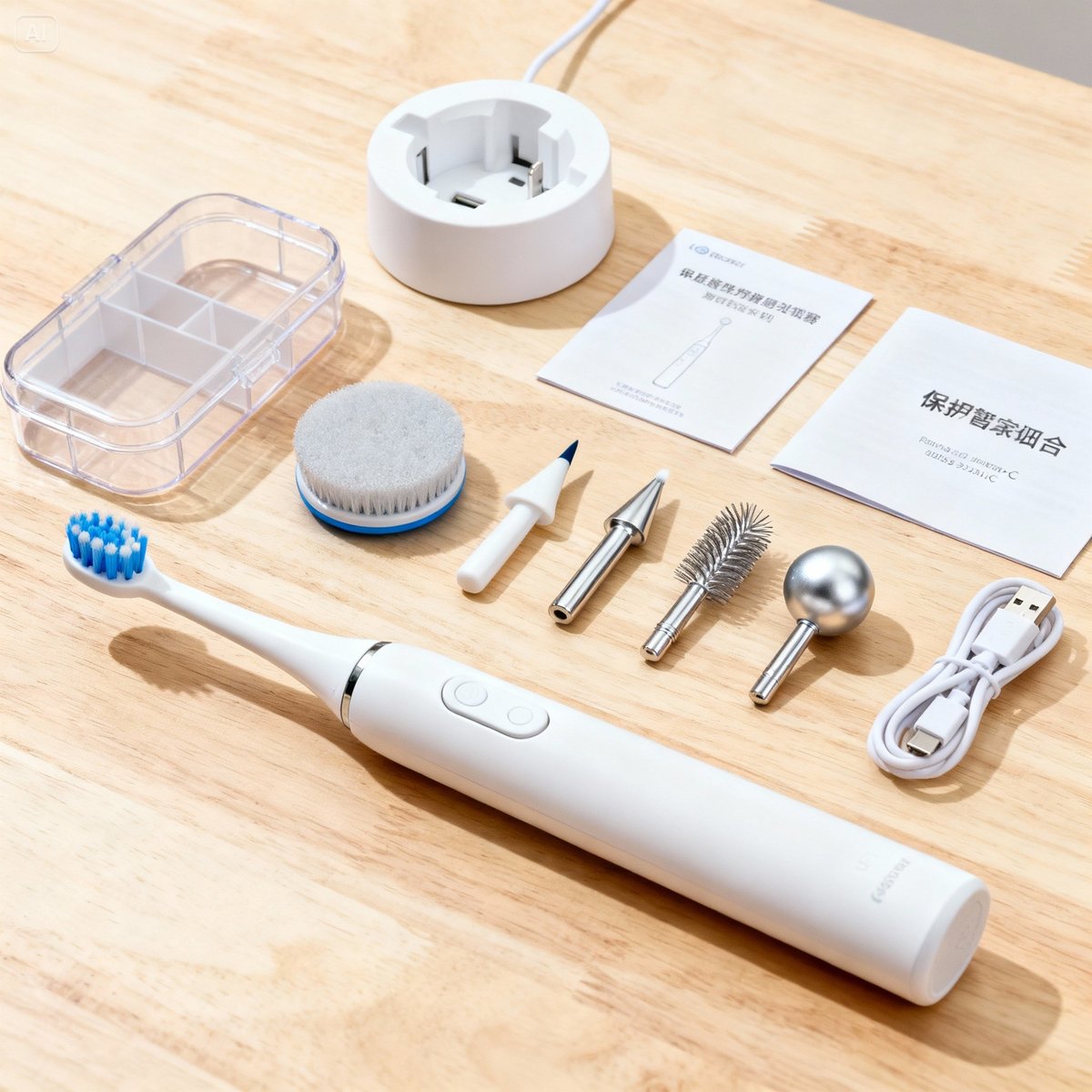
Electric cleaning brushes | The first choice for saving effort
Recommended brands: Artisan and Bosch electric cleaning brushes
Price: high (a general-purpose brush head can be fitted to clean window screens)
Features:
- An electric rotating brush head that takes no effort at all
- Different brush heads can be fitted (flat brush, pointed brush)
- Some models (such as the Artisan CB301) come with an adjustable extension pole that makes high areas easier to clean; the Bosch UniversalBrush is a handheld model
- Cordless models are easy to carry
Advantages:
- ✓ Takes no effort at all, suited to older users and those with limited strength
- ✓ The highest cleaning efficiency (2-3 minutes per window screen)
- ✓ One machine for many uses; it can also clean the bathroom, the kitchen and so on
Disadvantages:
- ⚠ Higher price
- ⚠ Needs charging or mains power
- ⚠ Heavier than a manual brush
Suitable for: many window screens (more than 8), those who already own an electric cleaning brush, those who want efficiency
Want brand recommendations for electric cleaning brushes? See Electric cleaning brush recommendations.
How to use a window screen cleaning brush | Clean a window screen quickly in 5 steps
Step 1: Preparation
Tools needed:
- 1 window screen cleaning brush
- Cleaning agent (optional, for stubborn stains)
- 1 spray bottle (filled with clean water or diluted cleaning agent)
- 1 dry cloth
Suggested cleaning agents:
- Light dust: clean water is enough
- Moderate dust: clean water + a little dish soap
- Heavy stains: a dedicated window screen cleaner or baking soda solution
Step 2: Dry-brush first to remove dust
How to do it:
- Open the window screen brush and clamp it on both sides of the screen
- Start at the top of the screen and brush from top to bottom
- Keep the brush perpendicular to the screen and slide it gently
- After each pass, shake the brush to get rid of the dust
Points to note:
- Do not press hard, to avoid deforming the screen
- Do not move the brush too fast
- Clear the dust off the filament regularly
Step 3: Spray water and wet-brush (for stubborn stains)
How to do it:
- Use the spray bottle to spray water (or diluted cleaning agent) evenly on the screen
- Wait 1-2 minutes for the stains to soften
- Brush again with the window screen brush, with slightly more pressure
- Brush back and forth 2-3 times
Points to note:
- Do not spray too much water, so that it does not drip indoors
- Do not make the cleaning agent too strong (dilute 1:10)
- Rinse with clean water after brushing
Step 4: Rinse with clean water (the outdoor side)
How to do it:
- Open the window and rinse the outer side of the screen with water from indoors toward the outside
- Use a shower head or faucet, with the water pressure not too strong
- Rinse from top to bottom, making sure the cleaning agent is completely removed
- If the window is on the 1st floor or can be reached, you can rinse it from outside with a hose
Points to note:
- Rinsing with water is not recommended on high floors (the water drips onto the floors below)
- Wiping with a damp cloth can be used instead
Step 5: Wipe and air dry
How to do it:
- Press the screen gently with a dry cloth to absorb the excess water
- Open the window and let the screen air dry naturally (about 30-60 minutes)
- Close the window only after confirming it is completely dry
Points to note:
- Do not wipe hard, to avoid deforming the screen
- On overcast days or in high humidity, allow a longer drying time

Where to buy window screen cleaning brushes in Taiwan, and how prices compare
Physical stores
| Channel | Brand / price band | Advantages | Disadvantages |
|---|---|---|---|
| Daiso (DAISO) | Daiso brand / budget | The cheapest, available everywhere | Average quality, low durability |
| Wanjiafu (formerly Carrefour), a.mart | Japanese brands and others / mid-to-high | Many brands, good quality | Higher prices |
| TLW, HOLA | Imported brands / mid-to-high to high | The best quality, refined design | The highest prices |
| Hardware stores | Various brands / a wide price band | You can ask for professional advice | The range is not always complete |
Online channels
| Channel | Price band | Advantages | Disadvantages |
|---|---|---|---|
| Shopee | Budget to mid-range | The cheapest, prices can be compared | Seller ratings need checking |
| momo | Mid-range | A full range, fast delivery | Slightly higher prices |
| PChome 24h | Mid-range | Delivery within 24 hours | Fewer discounts |
| Taobao | Budget (including shipping) | The most choice, low prices | You have to wait for international shipping |
Buying advice
Value for money first: budget channels such as Daiso (recommended)
Quality first: mid-to-high price options such as Japanese brands
Lowest price first: budget options on e-commerce platforms such as Shopee (check the ratings)
Convenience first: hypermarkets such as Wanjiafu (formerly Carrefour) and a.mart (buy it and use it right away)
FAQ
1. Are window screen cleaning brushes really any good?
Very good; they raise cleaning efficiency by 60-70%.
The traditional way vs a window screen brush:
- Traditional cloth: 15-20 minutes per window screen, and the dust tends to get dirtier the more you wipe
- Window screen cleaning brush: only 3-5 minutes per window screen, and the dust is brushed straight off
Conclusion: if your home has 3 or more window screens, a window screen cleaning brush is definitely worth buying (the cheapest models are quite inexpensive).
2. Is the budget Daiso window screen brush enough?
For most people it is enough, and it is the best value for money.
When the Daiso brush is suitable:
- ✓ Ordinary household use (6-8 window screens)
- ✓ Limited budget
- ✓ Light to moderate dust
- ✓ Regular cleaning (every 3-6 months)
When it is not enough:
- ✗ Heavy stains (a cleaning agent is needed)
- ✗ Long-term durability is wanted (the Daiso brush lasts about 6-12 months)
- ✗ Professional cleaning needs (a more durable model is recommended)
Even if you replace it every half year, the total cost is not high, which makes it a very good deal.
3. Where can a window screen cleaning brush be used?
Besides window screens, it can clean many kinds of mesh items.
Where it can be used:
- ✓ Window screens (the main use)
- ✓ Screen doors
- ✓ Air conditioner filters (some models)
- ✓ Range hood filters (with a cleaning agent)
- ✓ Electric fan guards
- ✓ Pet cage mesh (metal cages, cat cages)
- ✓ Mesh baskets and racks
Where it should not be used:
- ✗ Glass windows (it will scratch; use a sponge or cloth)
- ✗ Wooden blinds (the filament may scratch them)
- ✗ Delicate fabrics (it may snag the threads)
4. How should a window screen cleaning brush be washed and maintained?
Washing it straight after use can extend its life by 50%.
Washing steps:
- Rinse the filament with clean water straight after use
- Rub the filament with your fingers to remove the dust stuck inside
- Shake off the water and leave to dry in a ventilated place
- Store only when completely dry
Maintenance tips:
- Wash it after every use to stop dust building up
- Avoid leaving it soaking in water for long (it damages the spring)
- Keep it dry in storage to prevent mold
- Check the spring mechanism regularly; if it has come loose, the brush needs replacing
When to replace:
- The filament is clearly worn or deformed
- The spring has come loose and the clamping force is too weak
- The cleaning result has clearly dropped
5. How often should window screens be cleaned?
Once every 3-6 months is recommended.
Suggested cleaning frequency:
- City areas, beside main roads: once every 3 months (a lot of dust)
- Suburbs, residential areas: once every 6 months
- By the sea, industrial areas: once every 2-3 months (more salt and pollution)
- At the change of season in spring and autumn: clean them as part of the big clean
Signs that cleaning is needed:
- There is obvious dust on the surface of the screen
- Ventilation has become worse
- The room looks blurred when seen from outside the window
- More than 6 months have passed since the last cleaning
6. What cleaning agents can be used with a window screen cleaning brush?
Clean water is enough for light dust; a cleaning agent can be used for stubborn stains.
Recommended cleaning agents:
1. Clean water (the most common)
- Suitable for: light dust
- Advantage: the safest; does not harm the screen
- How to use: spray water on directly, then brush
2. Clean water + dish soap
- Suitable for: moderate dust, cooking grease stains
- Ratio: 500 ml of water + 5-10 ml of dish soap
- How to use: spray on, wait 1-2 minutes, then brush
3. Baking soda solution
- Suitable for: stubborn stains, deodorizing
- Ratio: 500 ml of water + 1 tablespoon of baking soda
- How to use: spray on, wait 2-3 minutes, then brush
4. Dedicated window screen cleaner
- Suitable for: heavy stains, screens not cleaned for a long time
- Price: mid-range / bottle
- How to use: follow the product instructions
Not recommended:
- ✗ Bleach (it corrodes the screen material)
- ✗ Strong acid or strong alkali cleaners (they damage the screen)
- ✗ Cleaners containing abrasive particles (they scratch the screen)
Conclusion: a window screen cleaning brush is an essential tool for the home
After a full test and comparison, window screen cleaning brushes really are a cleaning tool with high efficiency and high value for money. They greatly shorten the time needed to clean window screens and reduce the physical effort.
Final buying advice
Limited budget:
- Choose Daiso (recommended)
- The best value for money, with full functions
Medium budget and above:
- Choose a mid-to-high-priced model such as a Japanese brand
- A refined design and higher durability
Many window screens (more than 8):
- Consider an electric cleaning brush (higher price)
- Saves effort, efficient, one machine for many uses
Checklist before you buy
- Confirm the number of window screens and how often you will clean them
- Confirm your budget range
- Confirm where to buy (physical store or online)
- Confirm the size of the brush (to suit the size of the screens)
- Confirm the filament material (nylon or sponge)
Want to know more about maintaining cleaning brushes? See our article How often should brushes be washed.
Professional cleaning brush solutions from YC Brushes
If you are a professional user who needs window screen cleaning brushes in large quantities, such as a property management company, cleaning company or residential community management committee, YC Brushes has over 40 years of professional brush manufacturing experience and offers:
Volume purchase plans
- Volume purchase discounts for cleaning companies and property management
- Filament material and stiffness can be customized
- Professional consultation
Contact YC Brushes now to discuss your professional cleaning brush needs, or see the full product catalog.
Further reading
Want to know more about cleaning brushes? We recommend:
- Complete buying guide to cleaning brushes | Straw brushes, tube brushes and electric brushes all covered
- Electric cleaning brush recommendations 2025 | Popular brands fully compared
- Are electric cleaning brushes any good? | Full analysis of pros and cons and a guide to pitfalls
- Bathroom cleaning brush recommendations | Bathroom brushes fully compared
- Toilet cleaning brush recommendations | Traditional, disposable and silicone types compared
Go to the blog to explore more specialist articles on brushes and cleaning tools.