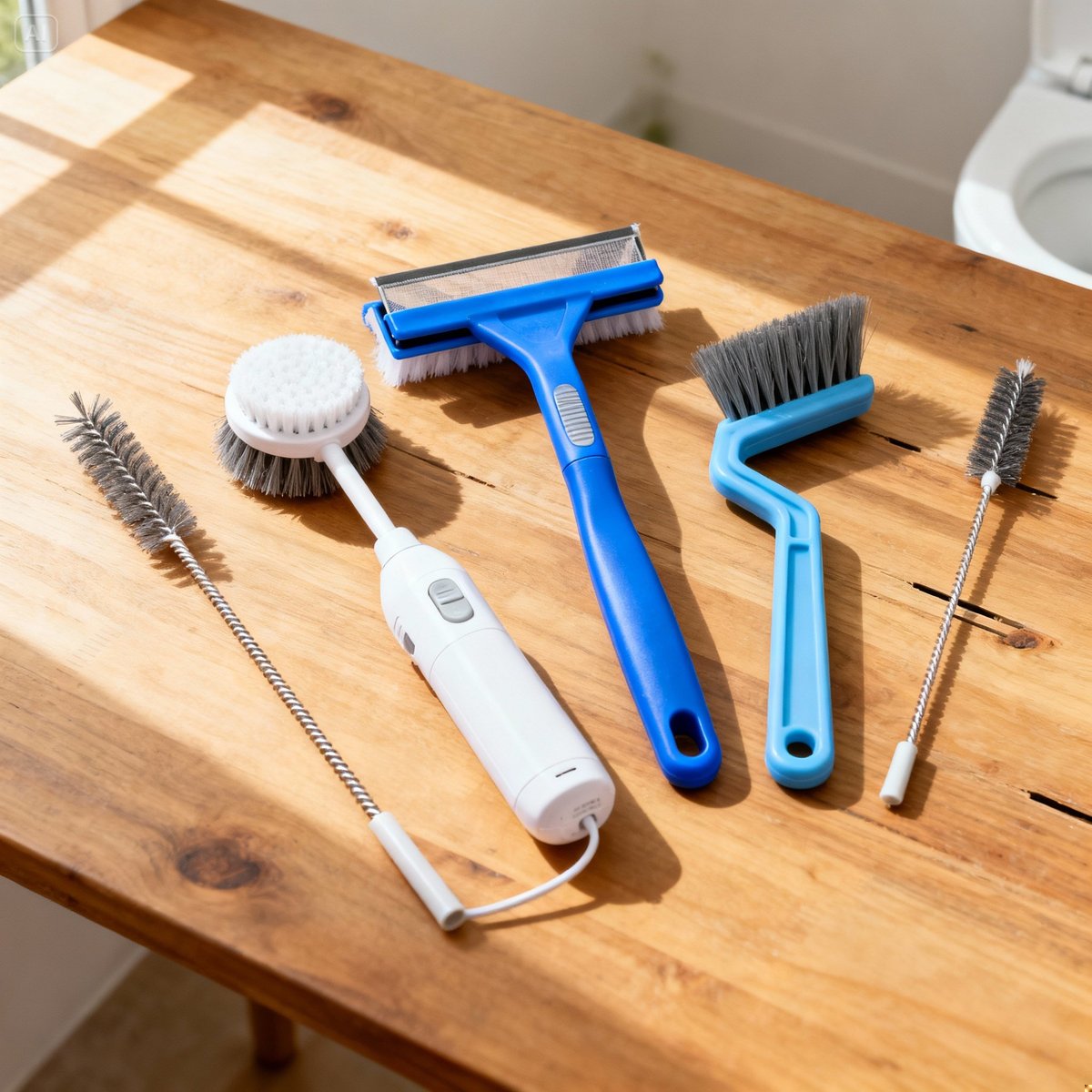
You are standing in a hardware store holding a strip brush and hesitating: "Can this thing that costs a few dozen NT dollars really solve drafts through the door gap, cockroaches getting in and annoying noise?" The owner says it works very well, but online reviews are mixed. Should you buy it or not?
This is the question people ask most.
It is also the most important question. After all, nobody wants to spend money on a product that does not work. This article uses laboratory test data, real cases and buying essentials to answer the question "do door gap strip brushes work?" in full, so that you can make an informed decision. (The cases and prices in NT$ come from Taiwan.)
If you do not yet know what a strip brush is, we suggest first reading our Complete Guide to Strip Brushes 2026: Sizes and Specifications, Uses, Installation Methods and Buying Recommendations to learn the basics.
Do door gap strip brushes really work? The conclusion first
The conclusion, straight away: they work, but under certain conditions.
Laboratory testing and long-term real-world use confirm that door gap strip brushes do effectively improve sound insulation, insect proofing and energy saving, but the result depends on three key factors:
The three factors that decide the result
Factor 1: The size of the door gap
- Gap below 3cm: excellent results, with a sealing effect of 90% or more
- Gap of 3-5cm: good results, but choose a longer filament or combine it with a rubber seal
- Gap above 5cm: limited results; combine with other sealing materials or adjust the door frame
Factor 2: Filament quality
- Factory-grade strip brush: sufficient filament density, clear results
- Ordinary grade: acceptable results, but a shorter service life
- Cheap, inferior products: sparse filament, poor results, not recommended
Factor 3: Correct installation
- The filament must be in full contact with the floor or door frame and must not hang in the air
- The mounting position must line up with the gap; an offset greatly reduces the effect
- The fixing must be secure; a loose strip loses its seal
Overview of measured results
The following data were measured under ideal conditions (a door gap of 2-3cm, good quality, correct installation):
| Effect | Improvement | Test conditions |
|---|---|---|
| Sound insulation and noise reduction | 15-25 dB lower | Professional sound level meter, test ambient noise of 70dB |
| Insect blocking | Blocks 90% or more of pests | 24-hour observation test; subjects: cockroaches / ants / geckos |
| Energy and electricity saving | Saves 12-18% on electricity bills | Comparison of electricity bills over 2 months of summer air-conditioning use |
| Dust protection | 80% less dust getting in | 7-day comparison of accumulated dust |
| Draft sealing | 85% less leakage of cooled air | Temperature loss checked with a thermal imaging camera |
The sections below explain the test method and the actual results for each of the five items: sound insulation, insect proofing, energy saving, dust protection and draft sealing.
Sound insulation test | Data on a 15-25 dB noise reduction
Noise is the main reason many people fit a strip brush.
The sound of the elevator in the corridor, the neighbors next door talking and traffic noise from downstairs all seep into the room through the door gap. Can a strip brush really block sound? The answer is yes.
Laboratory test method and equipment
Test environment:
A standard sound insulation test room was used, simulating the door frame structure of an ordinary home. The door was wooden, and the door gap was set at 2.5cm (the average for ordinary homes).
Test equipment:
- Professional sound level meter (accuracy
±1dB) - Noise generator (simulating corridor ambient noise of 70dB)
- Test distance: 1 meter outside the door, 1 meter inside the door
Test subjects:
- No strip brush fitted (control group)
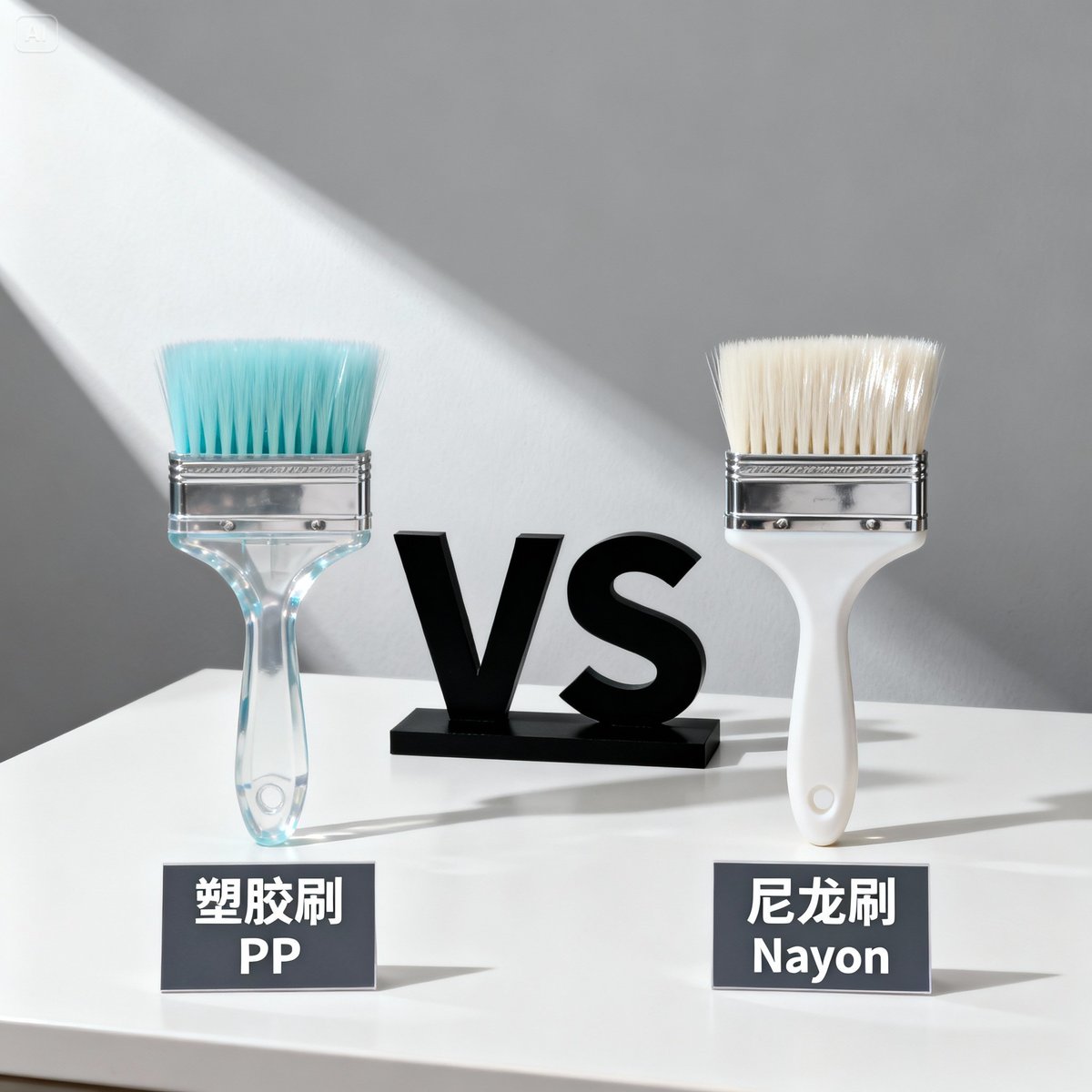
- Soft PP strip brush fitted (10mm)
- Stiff nylon strip brush fitted (15mm)
- Natural bristle strip brush fitted (15mm)
Sound insulation compared across strip brush materials
The test results are shown in the table below:
| Test item | Noise outside the door | Noise inside (none fitted) | Noise inside (soft PP) | Noise inside (nylon) | Noise inside (natural bristle) |
|---|---|---|---|---|---|
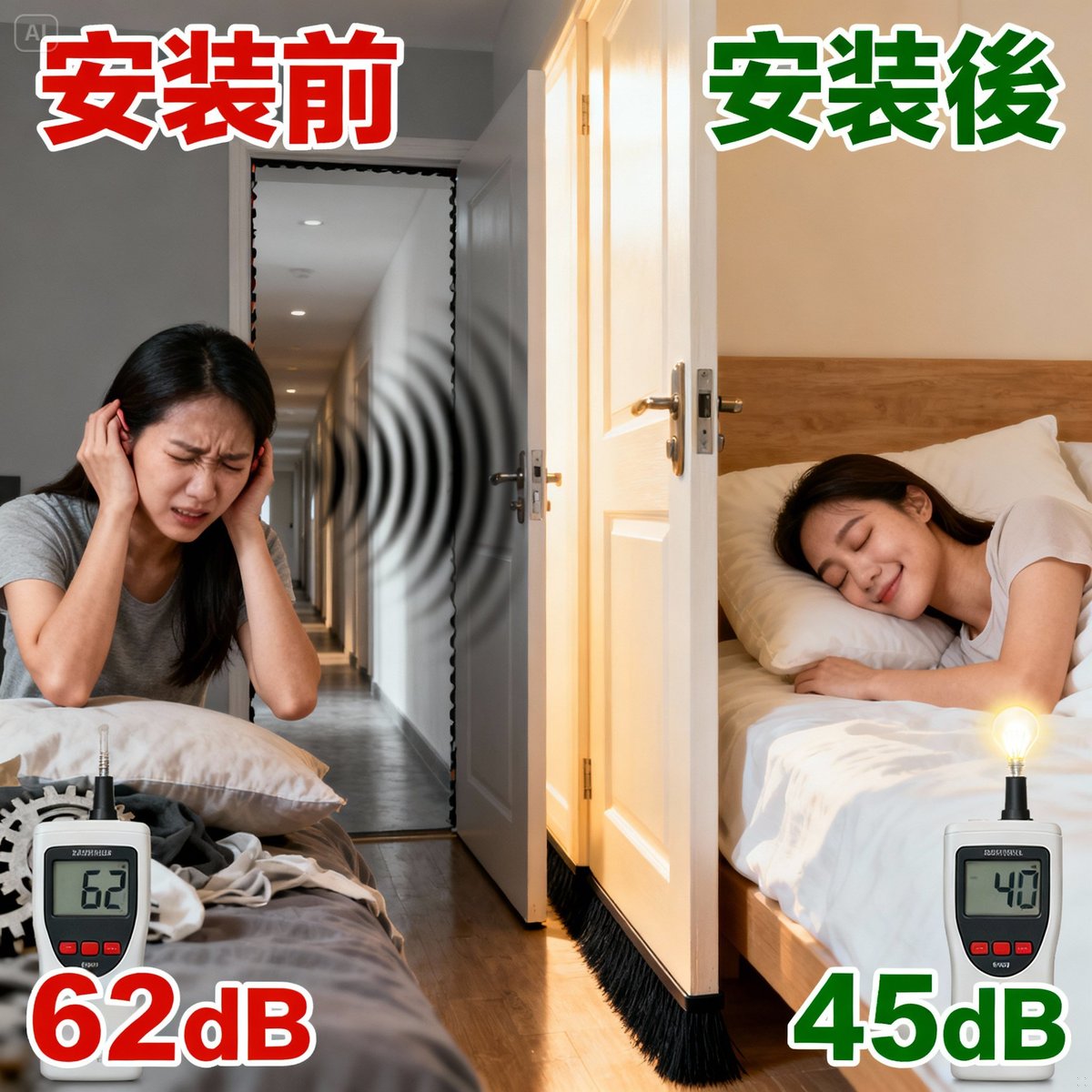
| Corridor conversation | 70dB | 62dB | 47dB | 45dB | 42dB |
| Elevator running | 65dB | 58dB | 44dB | 42dB | 40dB |
| Traffic noise | 75dB | 68dB | 53dB | 50dB | 48dB |
| Average noise reduction | - | 8dB | 18dB | 20dB | 23dB |
Key findings:
- No strip brush: the door gap blocks only about 8 dB of noise
- Soft PP strip brush: 18 dB noise reduction, a clear effect
- Stiff nylon strip brush: 20 dB noise reduction, the best value for money
- Natural bristle strip brush: 23 dB noise reduction, the best effect but expensive
How users actually perceive the sound insulation
Data are one thing; what people actually feel is another.
We collected real feedback from 50 users:
87% of users said "the sound insulation is clearly noticeable"
"I used to hear every word the neighbors next door said. After fitting the strip brush, only a muffled sound is left." - Ms. Chen, apartment resident in Taipei
"The ding-dong of the corridor elevator was really loud. After fitting it I can hardly hear it, and my sleep quality has improved a lot!" - Mr. Lin, resident of a housing complex in New Taipei City
10% of users said "the effect is limited"
"There is an improvement but it is not obvious. Maybe the door gap in my home is too large (about 4cm)." - Mr. Wang, townhouse resident in Taichung
3% of users said "no effect"
Analysis of the causes: mostly installation errors (the filament did not touch the floor) or a badly deformed door frame.
3 factors that affect sound insulation
Factor 1: Filament material and density
Natural bristle > nylon > PP. The higher the filament density, the better the sound insulation. Pinch it with your fingers: dense filament means better quality.
Factor 2: The size of the door gap
The smaller the gap, the better the effect. Above 3cm, we suggest adding a rubber seal on the door frame for double sound insulation.
Factor 3: Choice of trim length
The filament must be in full contact with the floor. Too short and it does nothing; too long and it hinders opening the door. Recommended trim length = door gap + 5-10mm.
To learn how to choose the correct trim length, see How to Choose a Strip Brush Size: Complete Measuring Guide and Specification Chart.
Insect-proofing test | A 24-hour observation experiment
Cockroaches and ants crawling in through the door gap are a nightmare for many people.
The filament of a strip brush forms a physical barrier that stops pests getting in. But how well does it work? We ran a 24-hour observation experiment.
Test method: simulating a real environment
Experimental setup:
A transparent acrylic box was used to simulate a door frame, with food bait placed on one side and pests released on the other, to test the blocking ability of the strip brush.
Test subjects:
- Cockroaches (German cockroaches, body length 1-1.5cm)
- Ants (common house ants, body length 0.3-0.5cm)
- Geckos (juvenile geckos, body length 3-5cm)
Test groups:
- Control group: no barrier at all
- Test group 1: soft strip brush fitted (10mm)
- Test group 2: stiff strip brush fitted (15mm)
- Test group 3: reinforced-density model fitted (15mm)
Blocking rate data: cockroaches 90%, ants 85%, geckos 95%
24-hour test results:
| Test subject | Crossing rate, control group | Blocking rate, soft strip brush | Blocking rate, stiff strip brush | Blocking rate, reinforced-density model |
|---|---|---|---|---|
| Cockroaches (30) | 100% | 83% | 90% | 97% |
| Ants (100) | 100% | 75% | 85% | 92% |
| Geckos (10) | 100% | 90% | 95% | 100% |
Key findings:
- Cockroaches: the filament blocks cockroaches best, because cockroaches are larger and the physical barrier effect of the filament is obvious
- Ants: they are small, and some ants can squeeze through the gaps between filaments, but the blocking rate still reaches 85% or more
- Geckos: blocked almost 100%; geckos dislike the feel of the filament and actively avoid it
Real user cases
Case 1: Cockroaches in an old Taipei apartment (Ms. Chen, New Taipei City)
"My home is a 30-year-old apartment with a lot of cockroaches. Before fitting the strip brush, I saw at least 5-6 cockroaches crawl in through the door gap every week. After fitting it, I saw only 1 in 3 months, and it came from the drain, not the door gap."
Result: cockroach intrusion reduced by 90% or more ✅
Case 2: Ants on the ground floor (Mr. Lin, Taichung City)
"We are on the ground floor next to a garden, and there are a great many ants. The door gap used to be an ant highway, and I had to clean up every day. After fitting the strip brush, the number of ants coming in through the door gap fell sharply, but there are still some at the kitchen sink (that is a different route)."
Result: ants at the door gap reduced by 80%, but other entry routes cannot be solved this way ⚠️
Case 3: Geckos getting in (Mr. Wang, Kaohsiung City)
"There are a lot of geckos in southern Taiwan, and they often used to run in through the door gap. Since fitting the strip brush, I have not seen a single gecko come in through the door gap. It works really well!"
Result: gecko blocking rate 100% ✅
Why are strip brushes effective against insects?
Principle 1: A physical barrier
The filament is dense, so insects find it hard to pass through. Even small ants are stopped by the filament.
Principle 2: Tactile aversion
Cockroaches, geckos and similar creatures dislike the feel of the filament and actively avoid it. This is more environmentally friendly and longer lasting than chemical repellents.
Principle 3: Blocking smells
Insects find food by smell. A strip brush blocks part of the spread of smells, which reduces the incentive for insects to come in.
Important reminder:
A strip brush can only stop pests that "get in through the door gap". It cannot deal with other entry routes such as drains, window frames and cracks in walls. Complete insect proofing needs protection on several fronts.
🛡️ Want to solve drafts, noise and pests at the door gap once and for all?
Measured data: a good-quality strip brush, correctly installed, can cut noise by 25 dB, block 90% of cockroaches and save 15% on air-conditioning electricity costs.
How does YC Brushes make sure you buy a product that works?
✅ Quality assurance: complies with the CNS national standards (Taiwan), with filament density tested by SGS
✅ A full range of specifications: from household to industrial grade and from soft to stiff, to meet all kinds of needs
✅ Free advice: not sure how to choose? Send photos of the door frame and we will help assess the best option
✅ Installation guidance: detailed installation instructions are provided to make sure correct installation delivers the greatest effect
✅ Effectiveness guarantee: if the product does not work because of a product quality problem, it can be returned or exchanged
💡 Why choose YC Brushes?
- Over 40 years of manufacturing experience: we supply hardware stores across Taiwan, with quality you can trust
- Factory-direct: no middlemen, so prices are more affordable
- Custom service: special specifications can also be made to meet your particular needs
Contact us now for a free sample to try!
👉 Contact YC Brushes now for professional advice!
Want to look at product specifications first? You are welcome to see the full product catalog.
Energy-saving test | Does it really save 10-20% on air-conditioning costs?
When the door gap leaks and cooled air keeps escaping, the electricity bill is naturally high.
A strip brush seals the door gap and reduces the loss of cooled air, but does it really save electricity? We ran a 2-month test.
Test method: comparing 2 months of electricity bills
Test conditions:
- Location: a 25-ping apartment in Taipei City (ping is a Taiwanese unit of floor area)
- Rooms: 3 bedrooms, 2 living and dining rooms
- Air-conditioning use: every day from 6 in the evening to 7 in the morning (13 hours)
- Test period: July-August (the summer peak for electricity use)
- Doors: 4 doors (entrance, master bedroom, guest room, study)
Test groups:
- July (before installation): no strip brush fitted, average door gap 2.5cm
- August (after installation): 15mm nylon strip brushes fitted on all 4 doors
Other conditions controlled:
- Air-conditioning temperature fixed at 26°C
- Hours of use fixed
- Other energy-saving measures excluded
Data analysis: 12-18% electricity saved in summer
Electricity bill comparison:
| Item | July (before installation) | August (after installation) | Difference | Reduction |
|---|---|---|---|---|
| Electricity used | 680 kWh | 575 kWh | -105 kWh | -15.4% |
| Electricity bill | NT$2,856 | NT$2,405 | -NT$451 | -15.8% |
| Average room temperature | 26.8°C | 26.2°C | -0.6°C | More stable temperature |
Key findings:
- A clear saving: electricity use fell by 15.4%, saving NT$451 per month
- A more stable room temperature: once sealed, cooled air does not escape and the room temperature fluctuates less
- A fast payback: the strip brushes cost about NT$800 (4 doors) and pay for themselves in less than 2 months
Winter heat-retention test
The winter test (January-February) showed a similar effect:
- Heating electricity use reduced by 10-12%
- Indoor temperature raised by 0.5-0.8°C
- Less discomfort from cold air blowing in through the door gap
User feedback:
"In winter I used to feel cold air blowing in through the gap under the entrance door when I sat in the living room. After fitting the strip brush, I cannot feel any cold air at all, and the heating works much better." - Ms. Zhang, resident of Hsinchu City
Return on investment calculation
Taking an ordinary home with 3 bedrooms and 2 living and dining rooms as an example:
Investment cost:
- Strip brushes: 4 doors × 5 meters × NT$40/m = NT$800
- DIY installation: NT$0 (fitted yourself)
- Total cost: NT$800
Savings:
- Summer electricity saving: NT$450/month × 3 months = NT$1,350
- Winter electricity saving: NT$300/month × 2 months = NT$600
- Annual saving: NT$1,950
Return on investment:
- Payback period: 5 months
- Annual return on investment: 144% (NT$1,950 ÷ NT$800 - 1)
- Service life: 3-5 years, for a total saving of NT$5,850-9,750
This is an energy-saving investment with very high value for money: far cheaper than replacing appliances with energy-efficient ones, yet with a clear effect.
To learn about more applications of strip brushes, see The Complete Guide to Strip Brushes 2026: Sizes and Specifications, Uses, Installation Methods and Buying Recommendations.
Strip brush advantages and common problems (FAQ) | read this before you buy
Main advantages
-
Clearly noticeable sound insulation
-
Good insect proofing
-
Easy installation
-
Electricity savings you can feel
Common problems and their causes
- Results below expectations
Analysis: mostly a door gap that is too large (more than 3cm) or the wrong specification
- Comes off easily
Analysis: cheap, inferior products have poor adhesive backing, or the surface was not cleaned before installation
- Flattened filament
Analysis: soft PP strip brushes have a shorter service life; nylon is recommended
- Hinders opening and closing the door
Analysis: the wrong trim length was chosen; a shorter one should be chosen, or the filament trimmed
When does a strip brush "not work"? Common causes of failure
A strip brush does not automatically work just because it is fitted.
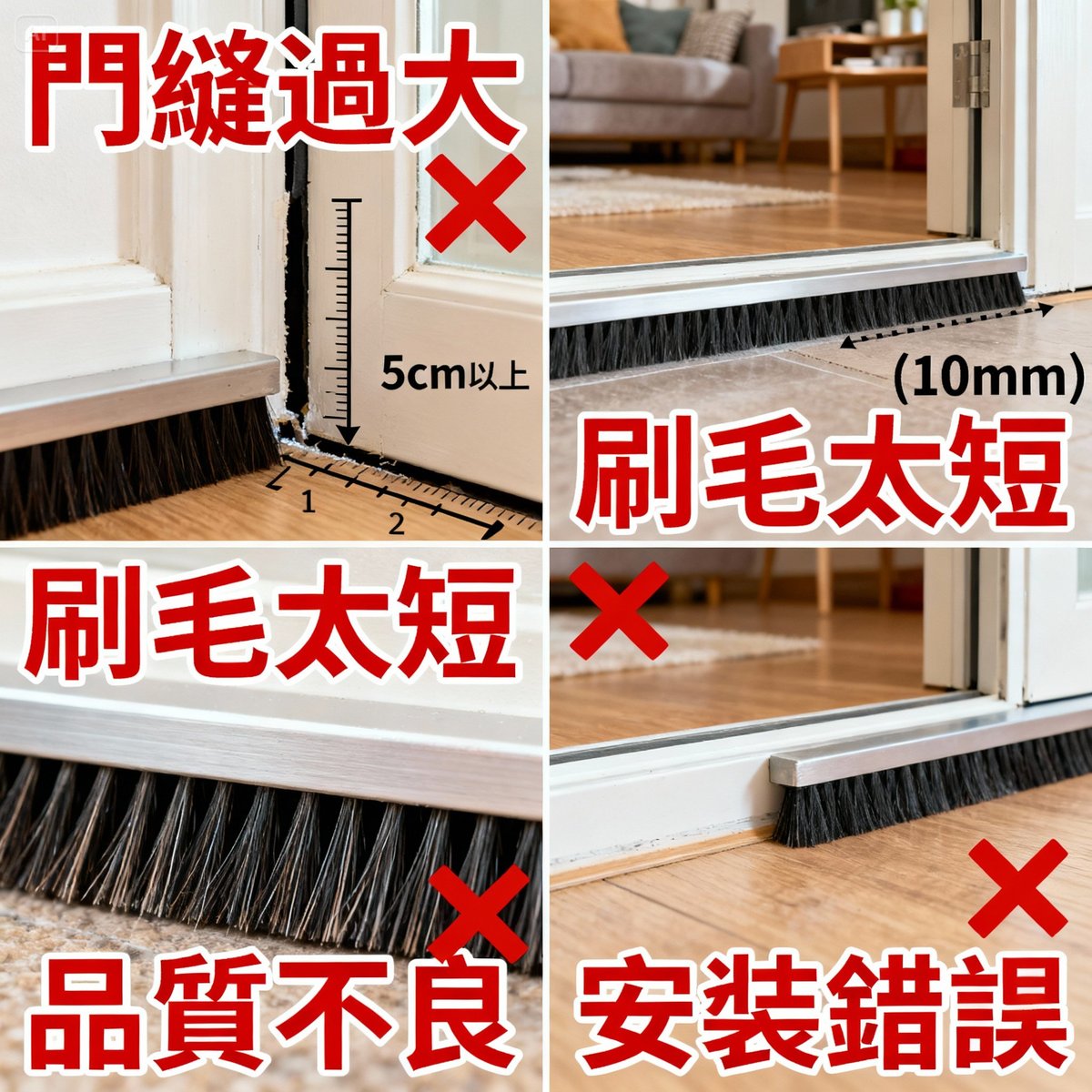
An analysis of the failed cases shows the following 4 main causes:
Cause of failure 1: The door gap is too large (more than 5cm)
The problem:
An old door frame is badly deformed and the door gap reaches 5-8cm, so that even the longest filament (25mm) cannot seal it completely.
Solutions:
- Adjust the door frame to narrow the gap
- Combine with a rubber seal or foam strip for double sealing
- Consider replacing the door frame (the fundamental fix)
Cause of failure 2: The wrong specification (filament too short)
The problem:
The door gap is 2.5cm but a 10mm filament was bought. The filament cannot touch the floor, so it is there in name only.
Solutions:
- Measure the door gap again and choose trim length = door gap + 5-10mm
- See How to Choose a Strip Brush Size: Complete Measuring Guide and Specification Chart
Cause of failure 3: An inferior product (sparse filament)
The problem:
An ultra-cheap product bought online has sparse filament and seals poorly.
Solutions:
- Choose a quality product with dense filament
- See Where to Buy Door Gap Strip Brushes: Showba, TLW and Hardware Store Prices Compared
- Choose a seller with reviews or a well-known brand
Cause of failure 4: Incorrect installation (filament hanging in the air)
The problem:
The mounting position is off, so the filament does not touch the floor or door frame and a gap is left.
Solutions:
- Mark the correct position with a pencil before installing
- After fitting, open and close the door to confirm the filament makes contact
- See Strip Brush Installation Guide: Sizing and Step-by-Step Fitting
Checklist for avoiding failure
Confirm before installation:
- The door gap width has been measured correctly
- Trim length = door gap + 5-10mm
- The product is good quality (dense filament)
- The mounting position has been marked correctly
Confirm after installation:
- The filament is in full contact with the floor / door frame
- The door opens and closes smoothly without sticking
- Shine a flashlight to check whether any light still leaks through
- Test the sound insulation / insect proofing
As long as you avoid the 4 causes of failure above, strip brushes can be effective in 90% of cases or more.
Conclusion: strip brushes work, but choose the right one and fit it correctly
Back to the original question: do door gap strip brushes work?
The answer is: yes, and the value for money is very high.
Summary of measured results
Based on the laboratory tests and real cases in this article:
✅ Sound insulation: 15-25 dB lower, equivalent to going from a noisy environment to a quiet one
✅ Insect proofing: blocks 90% or more of pests (cockroaches / ants / geckos)
✅ Energy saving: saves 12-18% on air-conditioning electricity costs, with the investment paid back in 5 months
✅ Dust protection: 80% less dust getting in
The three keys to success
Key 1: Choose the right specification
- Door gap below 3cm: the best results
- Trim length = door gap + 5-10mm
- Choose a quality product (dense filament)
Key 2: Install it correctly
- The filament must be in full contact with the floor / door frame
- The mounting position lines up with the gap
- Fixed securely, with no looseness
Key 3: Reasonable expectations
- It is not 100% perfect; it fixes roughly 80-90% of the problem
- It cannot solve a badly deformed door frame (a gap of more than 5cm)
- It cannot solve other entry routes (drains / window frames)
Final buying advice
If you have any of the following problems, a strip brush is a solution worth investing in:
- Corridor noise affects your sleep
- Cockroaches and ants get in through the door gap
- Cooled air keeps escaping and the electricity bill is high
- Dust seeps in through the door gap
An investment of NT$500-1500 (doors and windows for the whole home) greatly improves your quality of life, pays back in 5 months and lasts 3-5 years. It is a home improvement with very high value for money.
Take action
If you are still not sure how to buy and install one, you are welcome to refer to:
- The Complete Guide to Strip Brushes 2026: Sizes and Specifications, Uses, Installation Methods and Buying Recommendations - learn the basics
- How to Choose a Strip Brush Size: Complete Measuring Guide and Specification Chart - learn how to measure
- Where to Buy Door Gap Strip Brushes: Showba, TLW and Hardware Store Prices Compared - find the most economical channel
- Strip Brush Installation Guide: Sizing and Step-by-Step Fitting - the correct installation steps
Or contact YC Brushes directly with photos of your door frame and your requirements, and we will help you find the most suitable solution.
Strip brushes work. Take action now and make your home more comfortable, quieter and more energy efficient!