Is dust on your production line often hurting your yield? Are drafts through door and window gaps a constant nuisance? Are the chips on your conveyor belt never quite cleaned off? All of these problems can in fact be solved with a "long-bristle strip brush". As a brush manufacturer with over 40 years of experience, YC Brushes has seen too many businesses end up with poor sealing or too short a service life because they chose the wrong strip brush specification.
A long-bristle strip brush is an industrial accessory in which filament is fixed to a metal or plastic base. Its filament length is usually 30mm or more, which lets it adapt to larger gaps or clean more effectively. Whether on factory machines, door and window seals or conveying equipment, long-bristle strip brushes play an important role.
This article gives a complete introduction to the types, materials, applications and key buying points of long-bristle strip brushes, so that you can choose the most suitable strip brush product for your actual needs.
What is a long-bristle strip brush? How it differs from an ordinary strip brush
Basic construction of a long-bristle strip brush
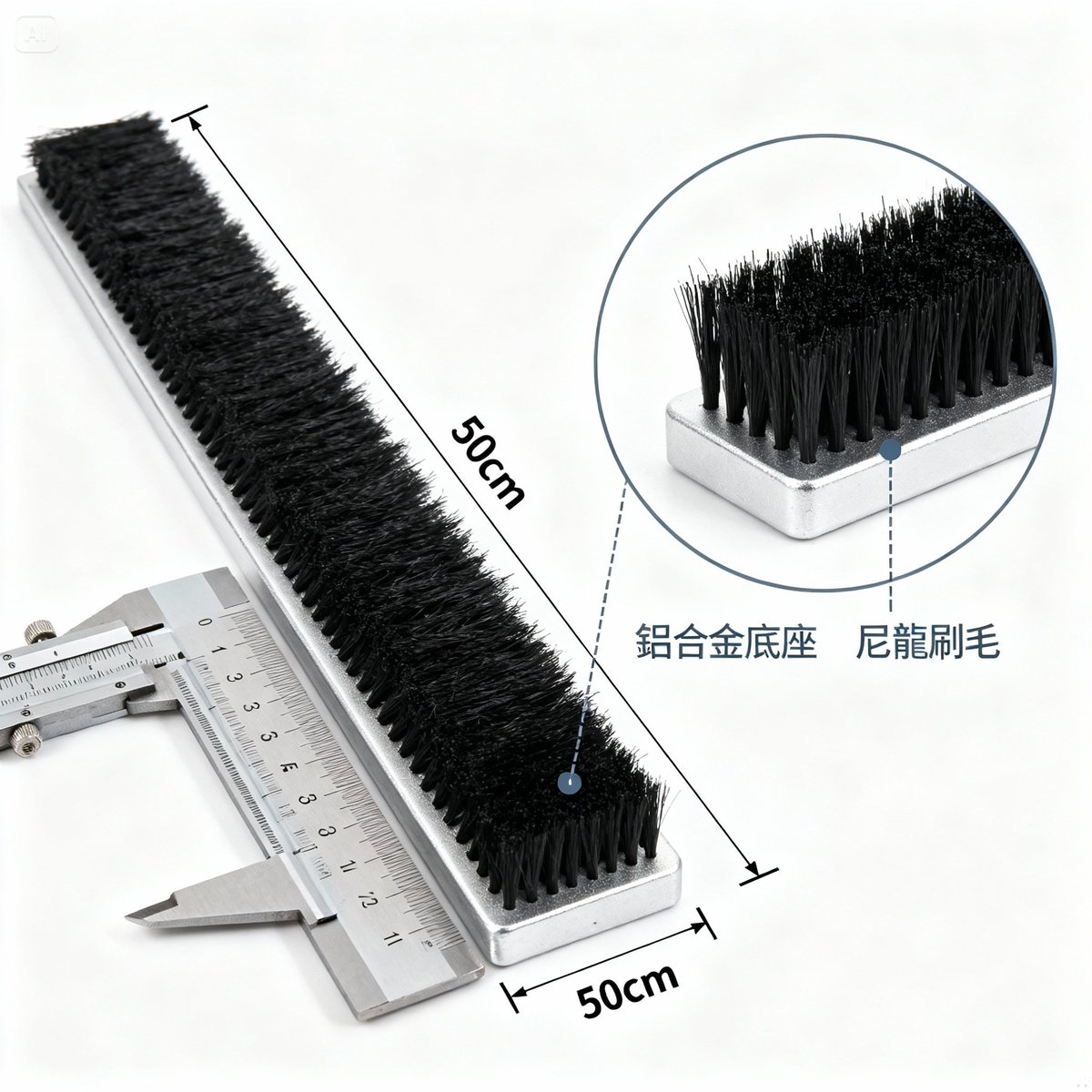
A long-bristle strip brush consists mainly of three parts: the base, the filament and the fixing method.
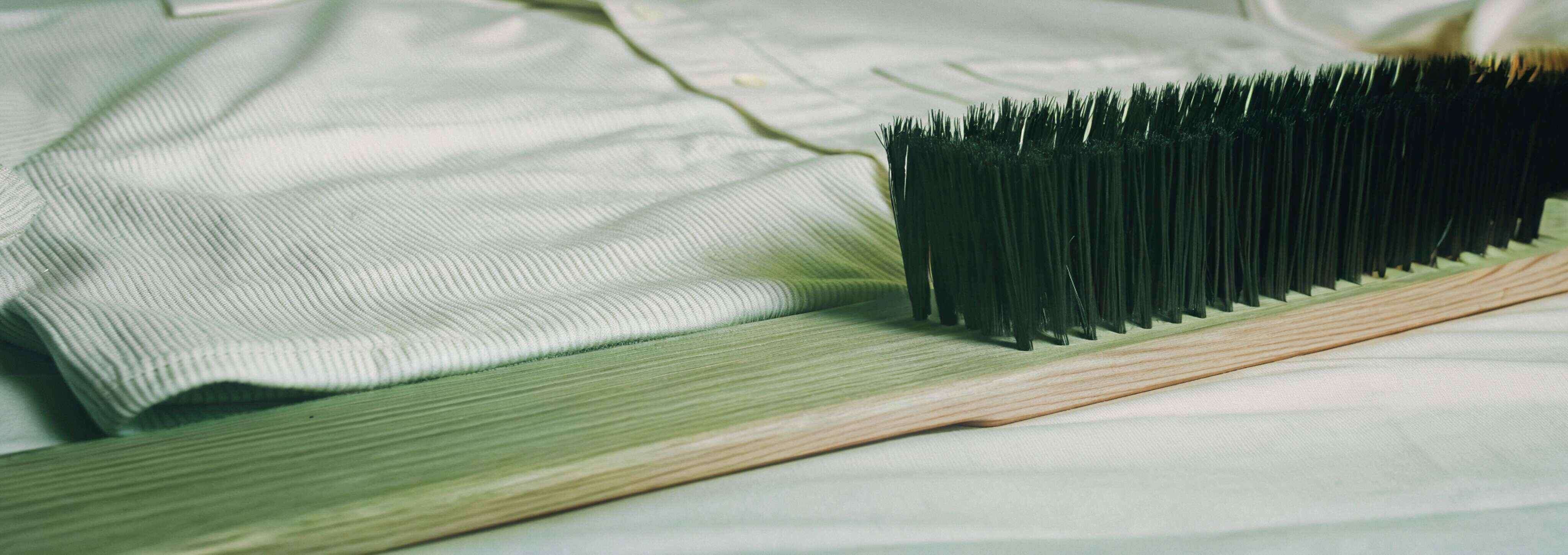
The base can be aluminum alloy, stainless steel or plastic. It provides the foundation that holds the filament and also decides the mounting method. Metal bases are usually more durable and suit heavy industrial environments. Plastic bases are lighter and suit ordinary doors and windows.
The filament is the part that actually does the work. Common materials include nylon filament, PP fiber, horsehair and hog bristle. Each material differs in stiffness, temperature resistance and chemical stability. Only the right material ensures the result in use.
There are usually two fixing methods, tufting and gluing. In tufting, the filament is fixed directly into the base, which is more secure. In gluing, tufts are made first and then fixed with adhesive. Tufting usually gives better quality, but the cost is also higher.
Four application scenarios for long-bristle strip brushes
Scenario 1: Sealing machinery and equipment against dust
In an industrial environment, dust is the great enemy of yield.
Many precision machines need to run in a specific environment, for example food packaging machines, electronics assembly lines or printing equipment. The infeed, the outfeed and the inspection windows of these machines all need a sealing device to keep dust out.
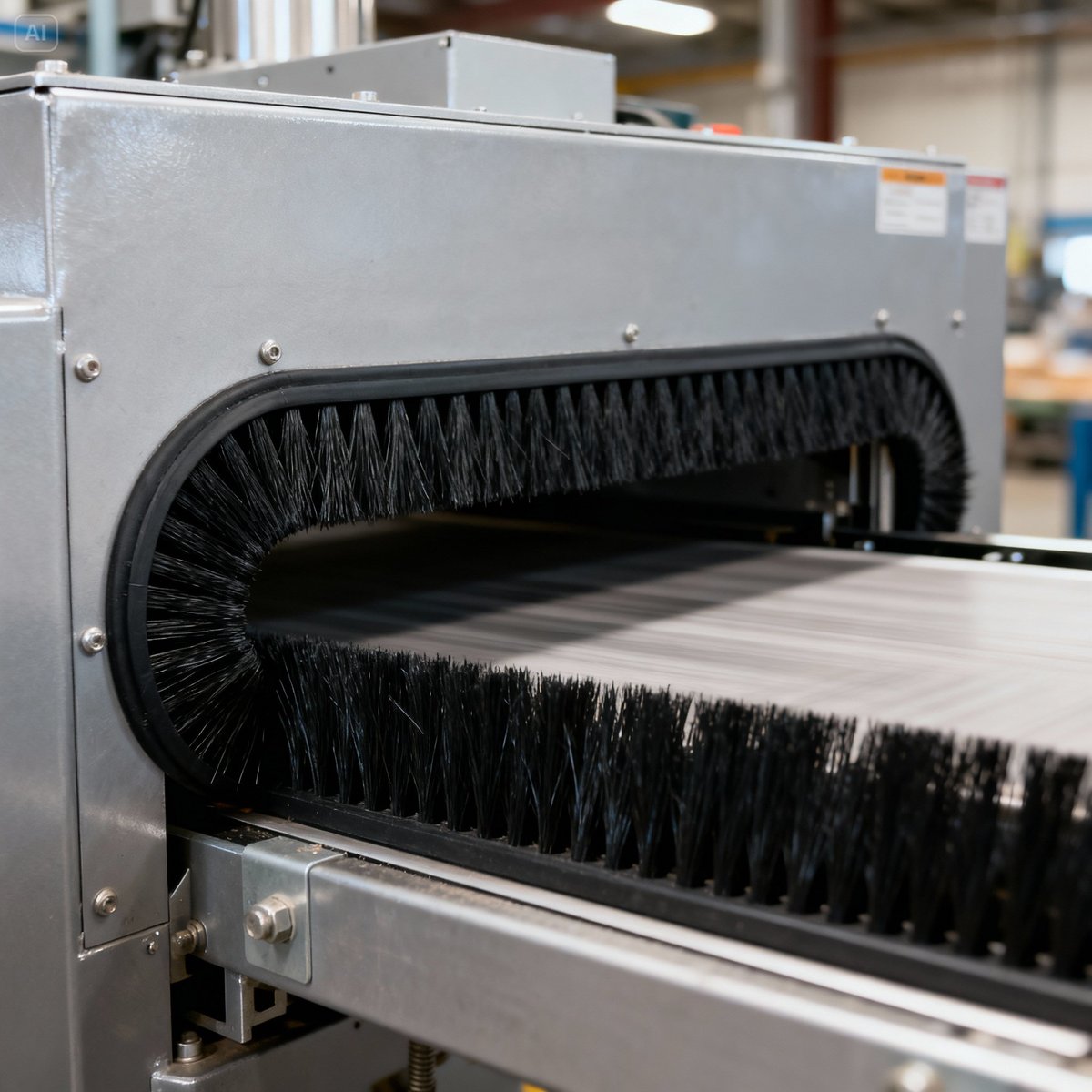
The long-bristle strip brush is the most common solution. It is mounted between the moving part and the fixed frame, and when the machine runs, the strip brush bends as the part moves. The densely packed filament forms a dust barrier that blocks most dust from entering.
Pay attention to the choice of material, however. In a high-temperature environment (above 80°C), ordinary PA nylon filament may soften. In that case switch to PBT fiber or stainless steel wire. If there are chemicals in the environment, corrosion resistance also has to be considered.
YC Brushes once made custom strip brushes for a semiconductor equipment manufacturer. They had been using an off-the-shelf standard product, but the filament began to fall out after three months. Our analysis found that the problem was static, and after a switch to anti-static nylon filament, the service life was extended to more than two years.
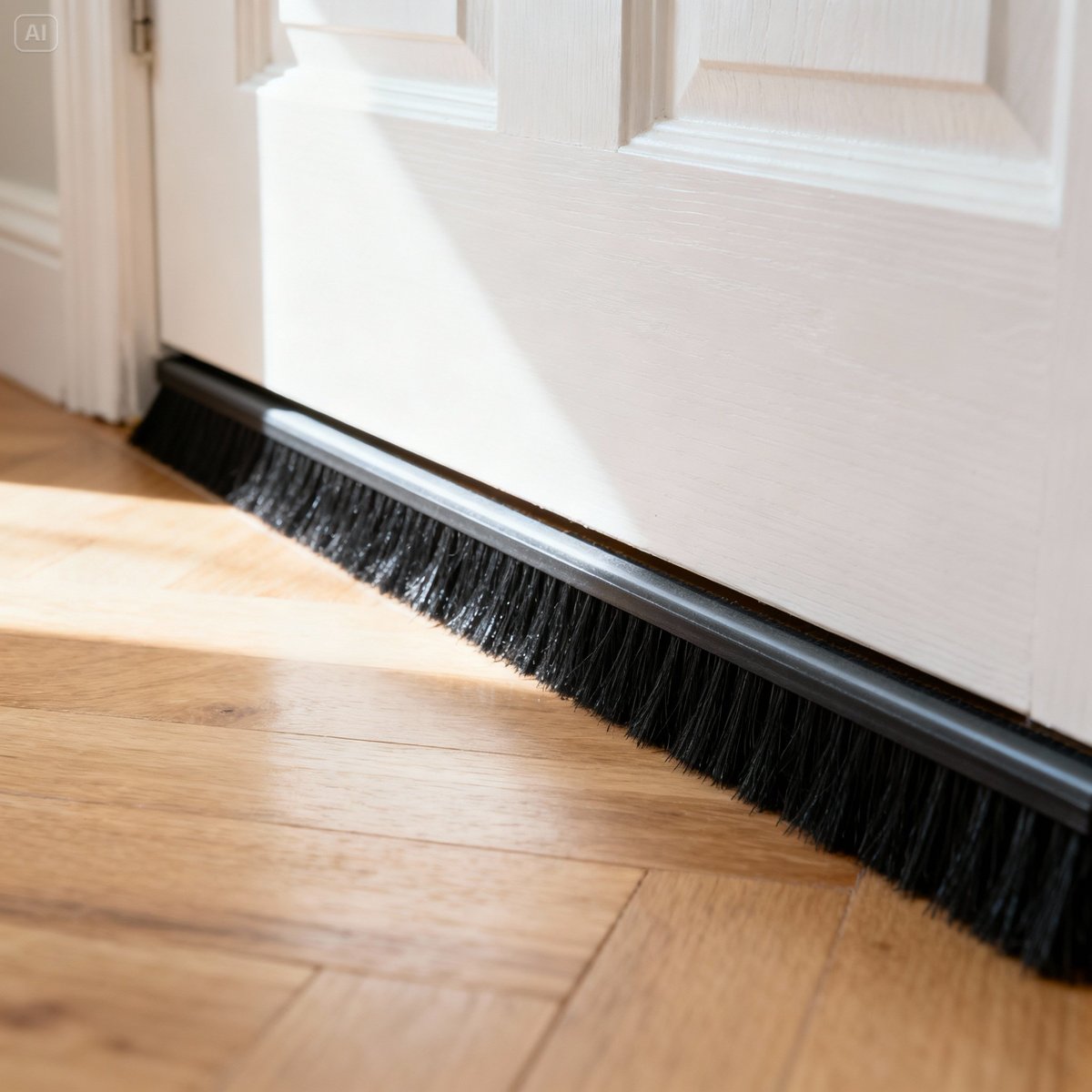
A guide to choosing materials for long-bristle strip brushes
Nylon filament (PA, PA612, PA66)
Nylon filament is the most commonly used strip brush material.
PA nylon (polyamide) has good resilience and wear resistance. Its water absorption is fairly low, so it does not soften with damp. At normal temperatures (-20°C to 80°C), PA nylon keeps stable performance.
PA612 is the advanced version. Its water absorption is lower than that of PA6 and its dimensional stability is better. In high-humidity environments, PA612 clearly outperforms ordinary PA nylon. Strip brushes for many precision machines specify PA612.
PA66 is the high-strength version. Its melting point is higher (about 255°C), so it withstands higher temperatures. If your equipment generates heat when running, PA66 is the safer choice.
Nylon filament is usually black or white. Black has carbon black added and resists UV, which suits outdoor use. White looks better and suits indoor use or situations where colors need to match.
On price, PA6 is the cheapest, PA612 comes next and PA66 is the most expensive. Taking service life into account, though, a high-quality material is often better value.
How to buy the right long-bristle strip brush
Step 1: Confirm the parameters of the application environment
Before buying, first get the actual requirement clear.
The temperature range is the first consideration. Record the highest and lowest temperatures while the equipment is running. If there are cyclical temperature changes, take those into account as well. The temperature ranges of different materials vary greatly, and the wrong choice may cause the filament to soften or become brittle.
The chemical environment matters too. Will the brush come into contact with oils and greases, solvents, detergents or other chemicals? These substances may attack the filament or the base. YC Brushes can provide a chemical compatibility chart for the materials to help you judge.
The degree of wear decides the service life. On equipment running at high speed, the filament wears much faster than in a static seal. If long periods of continuous running are needed, choose a material with better wear resistance.
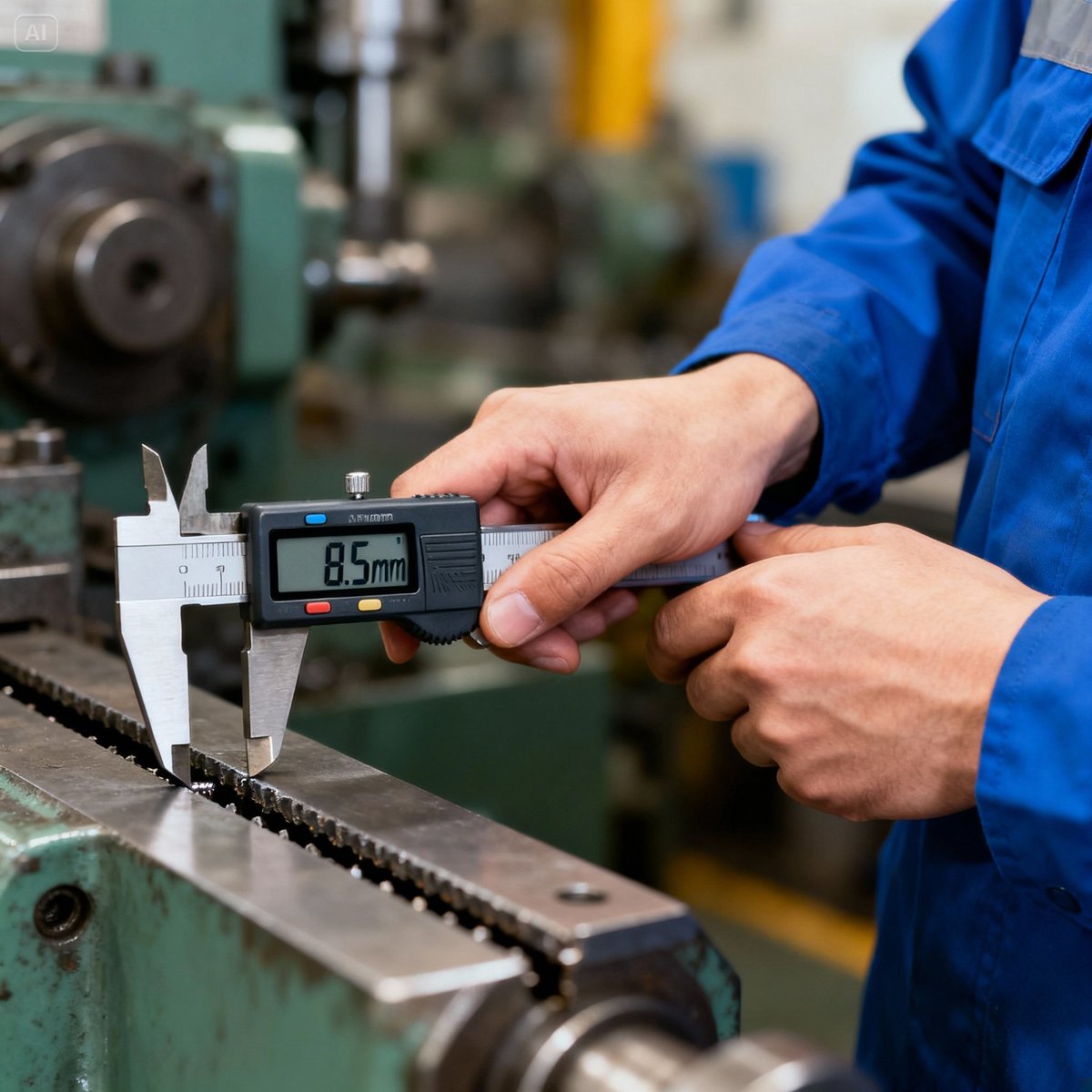
The gap must be measured precisely: not estimated by eye, but actually measured with calipers. The gap may not be fixed and can change during running. Measure the maximum and minimum values to make sure the strip brush can adapt to this range.
Installing and maintaining long-bristle strip brushes
The correct installation steps
The quality of installation directly affects the result in use.
First clean the mounting surface. Any dust, oil or rust affects the fixing strength. Wipe it clean with alcohol or a detergent and make sure the surface is dry.
For screw fixing, confirm the hole positions first. Mark them on the base with a pencil, then set the points with a center punch. Drill perpendicular to the surface, with a hole diameter that matches the screw specification. On a metal surface, remember to drill a pilot hole with a small bit first, then enlarge it to the correct size.
For adhesive mounting, watch the ambient temperature. Most adhesives bond best at 15-30°C. Too cold affects the flow, and too hot makes the adhesive cure quickly. After applying, press hard for at least 30 seconds so the adhesive makes full contact. Full curing usually takes 24 hours.
Snap-in mounting is the simplest, but confirm that the channel dimensions match. If the fit is too tight, forcing the brush in damages the base. If it is too loose, the brush may come off during running.
After installation, check how the filament makes contact. The filament should bend moderately, neither standing completely straight nor being over-compressed. You can test with a sheet of white paper: when pulled, the paper should meet clear resistance but should not tear.
Custom service for long-bristle strip brushes
The custom process at YC Brushes
Every application is unique.
Standard products are convenient, but they may not fully meet your needs. A filament length that is slightly off, a base of the wrong width or a color that does not match: small problems like these add up and affect the overall result.
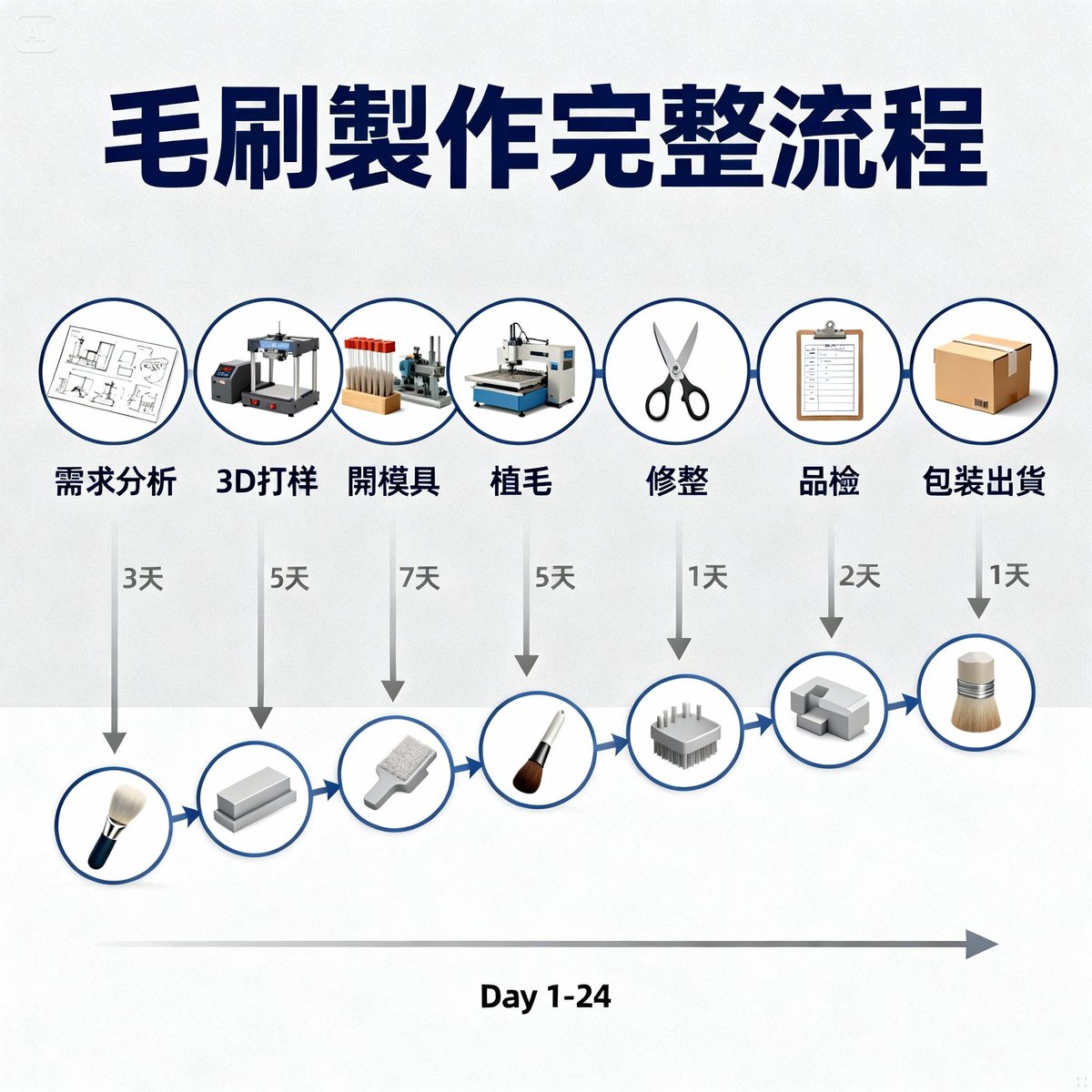
The custom service at YC Brushes exists to solve this. Our process has four stages:
Stage 1: Requirements analysis
Our technical team discusses the details with you to understand the actual application environment, including temperature, chemical environment, degree of wear, gap dimensions and so on. If needed, we can arrange a site visit to measure and assess in person.
Stage 2: Solution design
Based on the requirements analysis, we provide 2-3 different design options. Each option includes the material, the specification and dimensions, the mounting method and an estimated price. You can compare the pros and cons of each option and choose the most suitable one.
Stage 3: Sample making
After the option is confirmed, we first make a small batch of samples, usually 1-2 meters long, for you to test in the actual environment. If the test reveals a problem, the specification can be adjusted once free of charge.
Stage 4: Volume production and delivery
Once the sample is confirmed, the project moves to volume production. Order quantities and lead times are quoted per specification. Rush orders can be expedited. Please email us with your requirements. All products go through strict quality inspection to ensure stable quality.
The key to the whole process is communication. YC Brushes encourages customers to provide as much detail as possible. Photos, drawings and even the equipment model all help us design the solution more accurately.
Conclusion: choose the right strip brush and solve the problem
A long-bristle strip brush looks simple, but there are many technical details behind it.
From material selection and specification design to installation and maintenance, every stage affects the final result. The right strip brush effectively solves sealing, cleaning or protection problems. The wrong strip brush may damage the equipment or give a poor result.
YC Brushes has over 40 years of manufacturing experience and has served more than a thousand business customers. From small workshops to large factories, from standard products to heavy customization, we can provide a professional solution.
Our strength is not only product quality but also complete technical support. From requirements analysis and sample testing to volume production and delivery, a professional team assists throughout. When a problem comes up, you can contact our technical team directly and find a solution quickly.
If you are looking for a suitable long-bristle strip brush, you are welcome to contact YC Brushes. We will recommend the most suitable product for your actual needs. Let a professional brush manufacturer become your most reliable partner.
Act now:
- 📞 Phone: +886-2-2988-2721
- ✉️ Email: [email protected]
- 🏭 Book a factory visit and see the full manufacturing process →
- 📦 Request free sample testing to confirm the specification →
- 💼 See custom success stories → details
Need a custom long-bristle strip brush solution?
Learn about the custom service at YC Brushes
Recommended related articles:
- The complete guide to long-bristle brushes | Buying tips, applications and care
- The brush cleaning and care guide
- Soft cleaning brush application guide | The best choice for precision cleaning
- Recommended long-handle cleaning brushes | 5 good-value long-handle brushes compared