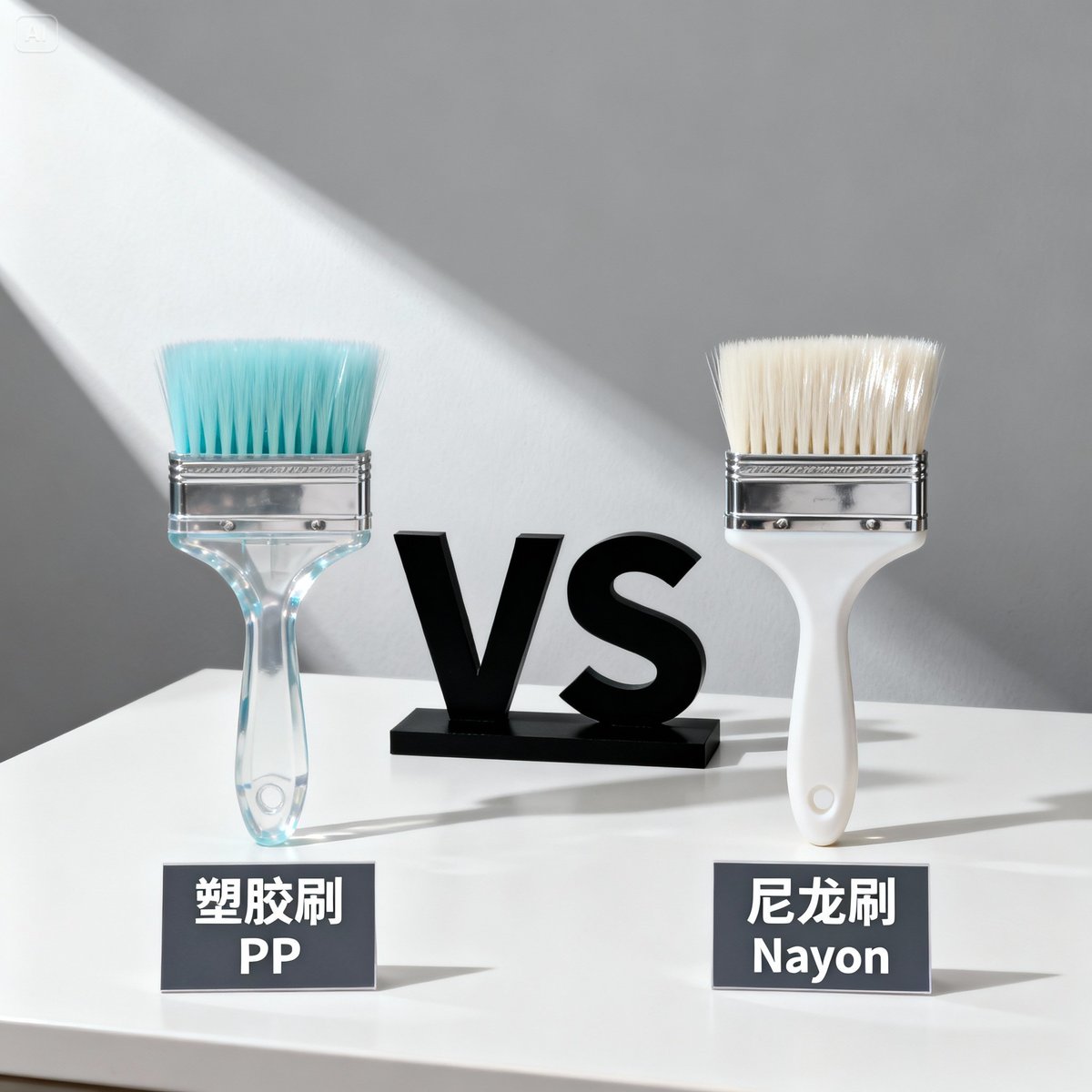
The "horsehair brush" you bought may not be horsehair at all.
The market is full of fake natural brushes. They are labeled "100% horsehair" but are actually dyed nylon or PP filament. You pay a high price and get a cheap substitute. Worse still, using the wrong brush for the job can scratch the product and lower the yield.
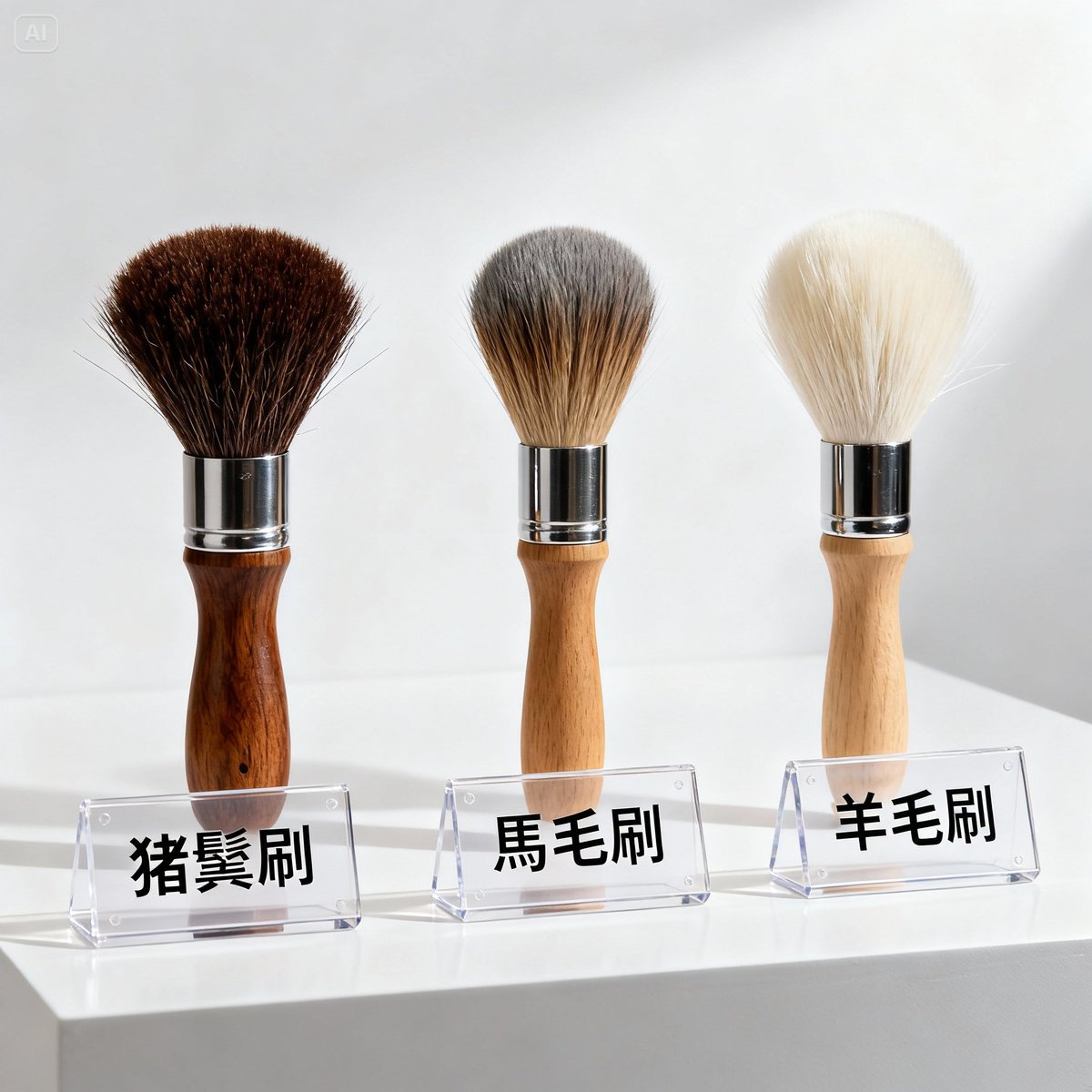
Natural brushes - hog bristle, horsehair and wool - each have their own physical properties and suitable applications. Choose well and the work is easy; choose badly and the problems pile up. This article compares the three major natural brushes in depth and provides test data, a price analysis and ways to tell real from fake, to help you make the right choice.
This article is further reading for The complete guide to brush manufacturing | Material comparison and focuses on an in-depth analysis of natural brushes.
Natural brushes vs synthetic fiber brushes | Why choose natural bristle?
Natural brushes cost more, so why is there still a market for them?
Because they have some properties that synthetic fibers cannot replace.
5 advantages of natural brushes
1. Naturally anti-static
Animal hair contains protein and a trace of moisture, which gives it a natural ability to dissipate static.
- Suited to the electronics industry (PCB cleaning, precision polishing)
- Does not generate static the way a nylon brush does
- Needs no additional anti-static treatment
Want the full picture of anti-static brush applications? See Anti-static brushes explained in full.
2. Good oil absorption
Natural hair has a natural scale structure and absorbs oil well.
- Suited to paint brushes and pastry brushes for oiling
- Spreads evenly without dripping
- An effect that synthetic fibers find hard to match
3. Soft and non-scratching
The tip of a natural hair is tapered, so it is softer than synthetic fiber.
- Suited to precision polishing and precision cleaning
- Does not scratch precision surfaces
- Nylon filament has a flat-cut tip and scratches more easily
4. Good texture and feel
The feel of natural hair is something synthetic fiber cannot match.
- Suited to makeup brushes, artist brushes and cleaning brushes
- A pleasant experience in use
- The first choice for premium products
5. Environmentally friendly and biodegradable
A natural material that breaks down naturally.
- In line with environmental trends
- Reduces plastic pollution
- A plus for corporate ESG
3 disadvantages of natural brushes
1. Higher price
- Hog bristle brush: slightly higher in price than a nylon brush
- Horsehair brush: noticeably higher in price than a nylon brush
- Wool brush: much higher in price than a nylon brush
2. Lower durability
- Service life of a natural brush: 1-3 years
- Service life of a synthetic fiber brush: 3-5 years
- Heavy use wears them out quickly
3. Needs care
- Must be washed after use
- Must be kept away from damp (it goes moldy easily)
- Must be kept away from high temperatures (it deforms easily)
When should you choose a natural brush?
Situations where a natural brush is a must:
- Anti-static is required (electronics, semiconductors)
- Precision polishing (no scratching allowed)
- Absorbing and applying oil (paint, baking)
- Premium makeup brushes and artist brushes
Situations where synthetic fiber will do:
- High-temperature environments (> 80°C)
- Damp environments (where the brush does not dry easily)
- High-volume consumables (cost considerations)
- Heavy-duty cleaning (wear resistance is needed)
Hog bristle brushes in depth | The hardest, most wear-resistant natural brush
Hog bristle is the "toughest" of the three major natural brushes.
The natural properties of hog bristle
Source:
- The stiff hair taken from pigs
- China is the world's main producer, and India also produces it
- White hog bristle is better in quality than black hog bristle
Physical properties:
- Diameter: about 0.2-0.3 mm
- Length: 2-15 cm
- Color: white, light yellow, black
- Structure: scales on the surface, hollow structure
Hardness grade: ★★★★★ (5 stars, the hardest)
Advantages and disadvantages of hog bristle brushes
Advantages:
- High hardness and strong cleaning power
- Good wear resistance and a longer service life (2-3 years)
- Good oil absorption (hollow structure)
- Moderate price (the cheapest of the natural brushes)
- Suited to rough cleaning, deburring and scrubbing
Disadvantages:
- Softens when it absorbs water (hardness drops noticeably)
- Not heat resistant (deforms at
> 80°C) - Rather stiff, not suited to precision applications
- May shed (in poor-quality products)
Applications of hog bristle brushes
Industrial applications:
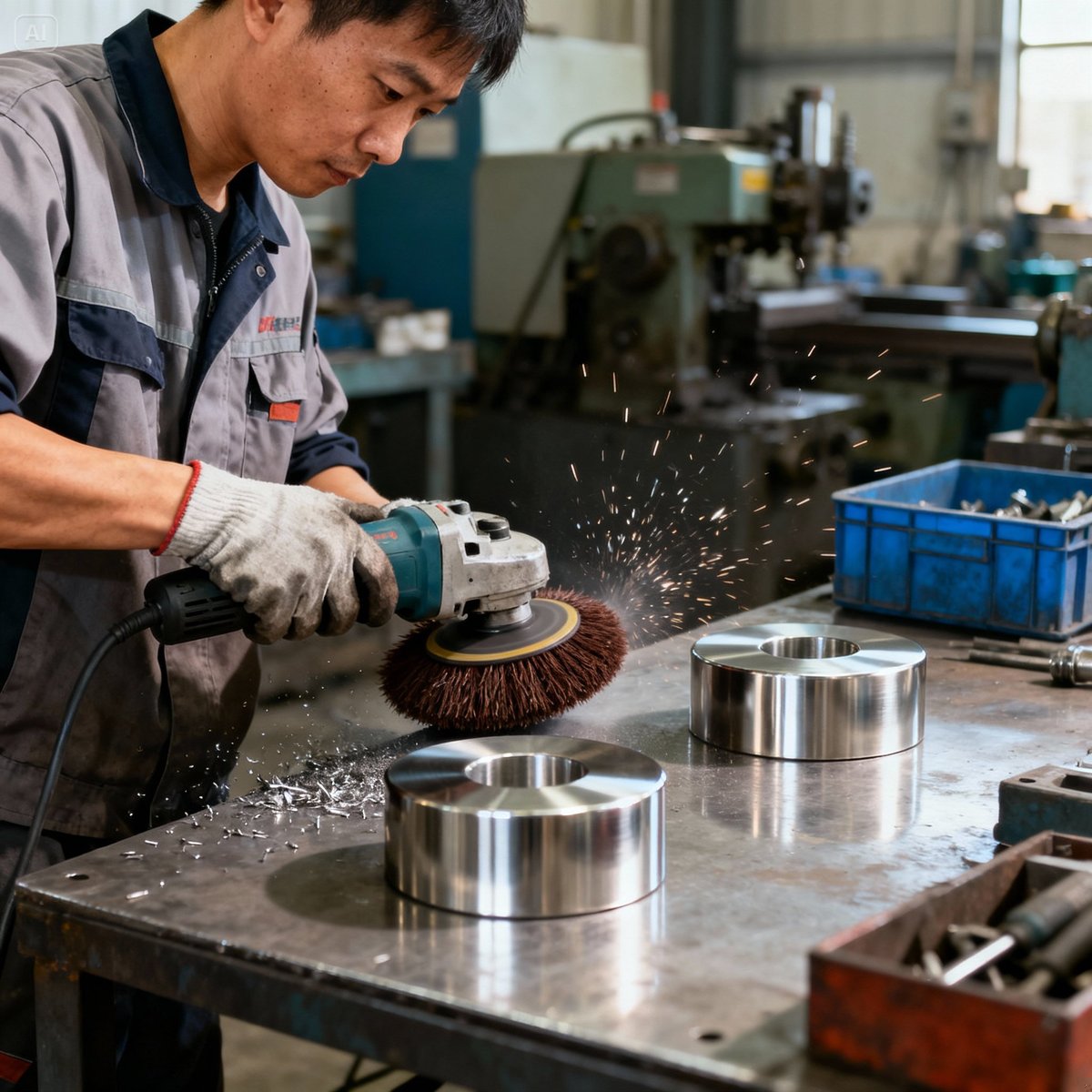
- Metal deburring (post-processing after CNC machining)
- Rough polishing (stainless steel, aluminum parts)
- Conveyor belt cleaning (food and packaging industries)
- Heavy-duty cleaning (floor brushes, car wash brushes)
Household and consumer applications:
- Paint brushes (good oil absorption)
- Pastry brushes (applying oil, brushing egg wash)
- Shoe brushes, floor brushes
- Cleaning brushes (kitchen, bathroom)
Unsuitable applications:
- Precision polishing (too hard, will scratch)
- Precision cleaning (PCB, optics)
- High-temperature environments (> 80°C)
The price of hog bristle brushes
Market price levels (wholesale price for 100 pieces or more):
- Small brush (10-15 cm): low price
- Medium brush (20-30 cm): low to mid price
- Large brush (30-50 cm): mid price
Factors that affect the price:
- White hog bristle > black hog bristle (higher price)
- Made in China is priced below made in Europe (which is noticeably higher in price)
- High tuft density > low tuft density
Want to know how brushes are used in the metalworking industry? See The complete guide to industrial brushes | Metalworking.
Horsehair brushes in depth | The anti-static, non-scratching first choice for precision work
The horsehair brush is the most "all-purpose" choice of the three.
The natural properties of horsehair
Source:
- The tail hair and mane hair of the horse
- Tail hair is longer and coarser (good quality)
- Mane hair is shorter and finer (ordinary quality)
- Main places of origin: Mongolia, China, Argentina
Physical properties:
- Diameter: tail hair about 0.08-0.4 mm, mane hair about 0.05-0.2 mm
- Length: 10-80 cm (tail hair can reach 80 cm)
- Color: black, brown, gray, white
- Structure: smooth surface, with natural oils
Hardness grade: ★★★☆☆ (3 stars, medium)
Advantages and disadvantages of horsehair brushes
Advantages:
- Soft, does not scratch precision surfaces
- Naturally anti-static (contains protein and a trace of moisture)
- Moderate wear resistance
- Good texture and a strong premium feel
- A wide range of uses (industrial + household)
Disadvantages:
- Higher price (more than hog bristle brushes)
- Less wear resistant than hog bristle (service life 1-2 years)
- Not heat resistant (damaged at
> 60°C) - Hard to tell real from fake (often counterfeited)
Applications of horsehair brushes
Industrial applications:
- PCB cleaning (anti-static, non-scratching)
- Precision polishing (optical lenses, precision parts)
- Semiconductor dust removal (anti-static requirement)
- Static removal from film
Household and consumer applications:
- Makeup brushes (the first choice for premium makeup brushes)
- Artist brushes (watercolor, calligraphy)
- Cleaning brushes (shoe brushes, clothes brushes)
- Car interior cleaning
Most suitable applications:
- Situations that need anti-static performance and no scratching
- Precision industries (electronics, optics, semiconductors)
- Premium consumer goods (makeup brushes, art supplies)
The price of horsehair brushes
Market price levels (wholesale price for 100 pieces or more):
- Small brush (10-15 cm): mid price
- Medium brush (20-30 cm): mid to upper-mid price
- Large brush (30-50 cm): upper-mid price
Factors that affect the price:
- Tail hair > mane hair (noticeably higher price)
- White horsehair > black horsehair (higher price)
- Long hair > short hair
- Mongolian origin > Chinese origin (a difference in quality)
See the horsehair brush products of YC Brushes, which come with a quality guarantee and a material certificate.
Wool brushes in depth | The softest, most premium natural brush
The wool brush is the "aristocrat" of the three.
The natural properties of wool
Source:
- The hair of sheep
- Australia and New Zealand have the best quality
- Goat hair can also be used (it is harder)
Physical properties:
- Diameter: about 0.02-0.04 mm (extremely fine)
- Color: milky white, light yellow
- Structure: dense scales, extremely soft
Hardness grade: ★★☆☆☆ (2 stars, soft)
Advantages and disadvantages of wool brushes
Advantages:
- Extremely soft, will absolutely not scratch
- Picks up powder very well (the first choice for makeup brushes)
- The best feel
- The strongest premium feel
Disadvantages:
- The highest price (the most expensive of the three)
- Not wear resistant (service life under 1 year, needs frequent replacement)
- Sheds easily (choose a high-quality product)
- Not heat resistant (damaged at
> 50°C) - The most troublesome to clean and care for
Applications of wool brushes
Main applications:
- Premium makeup brushes (blush brushes, loose powder brushes)
- Artist brushes (watercolor, Chinese ink painting)
- Precision polishing (jewelry, precision instruments)
- Optical lens cleaning
Applications that are not recommended:
- Industrial cleaning (wears out too easily)
- Heavy use (not durable)
- High-temperature environments
The price of wool brushes
Market price levels (wholesale price for 100 pieces or more):
- Small makeup brush: upper-mid price
- Medium artist brush: upper-mid price
- Large powder brush: high price
Retail prices of premium brands:
- Makeup brushes: the price gap between brands can be several times
- Artist brushes: the price gap between brands can be several times
Reasons for the price differences:
- Australian wool >> Chinese wool (a large difference in quality and price)
- Handmade > machine-made
- Brand premium
🔍 Not sure which natural brush to choose?
Contact YC Brushes now. We offer free material consultation and sample testing to help you choose the natural brush that suits you best.
Performance tests: the three major natural brushes compared
Enough talk; here is the test data.
Hardness test
Test method: measured with a Shore hardness tester
| Material | Shore hardness | Hardness grade |
|---|---|---|
| Hog bristle | 65-75 | ★★★★★ |
| Horsehair | 40-50 | ★★★☆☆ |
| Wool | 20-30 | ★★☆☆☆ |
Conclusion: hog bristle is the hardest, horsehair is in the middle, wool is the softest
Wear resistance test
Test method: wear rate after 10,000 cycles of back-and-forth rubbing
| Material | Wear rate | Wear resistance grade |
|---|---|---|
| Hog bristle | 15% | ★★★★☆ |
| Horsehair | 25% | ★★★☆☆ |
| Wool | 40% | ★★☆☆☆ |
Conclusion: hog bristle is the most wear resistant, horsehair comes second, wool wears easily
Heat resistance test
Test method: degree of deformation after 1 hour in a high-temperature environment
| Material | Maximum temperature | Deformation rate at 80°C | Heat resistance grade |
|---|---|---|---|
| Hog bristle | 80°C | 10% | ★★★★☆ |
| Horsehair | 60°C | 35% | ★★★☆☆ |
| Wool | 50°C | 50% | ★★☆☆☆ |
Conclusion: hog bristle is the most heat resistant, horsehair comes second, wool is not heat resistant
Anti-static test
Test method: surface resistance test (the lower, the better the anti-static performance)
| Material | Surface resistance | Anti-static performance |
|---|---|---|
| Hog bristle | 10^10-10^11 Ω | ★★★☆☆ |
| Horsehair | 10^9-10^10 Ω | ★★★★☆ |
| Wool | 10^10-10^11 Ω | ★★★☆☆ |
Conclusion: horsehair has the best anti-static performance
Oil absorption test
Test method: oil absorbed per unit of weight
| Material | Oil absorption | Oil absorption grade |
|---|---|---|
| Hog bristle | 150% | ★★★★★ |
| Horsehair | 100% | ★★★☆☆ |
| Wool | 80% | ★★☆☆☆ |
Conclusion: hog bristle absorbs oil best (hollow structure)
Overall performance rating
| Property | Hog bristle brush | Horsehair brush | Wool brush |
|---|---|---|---|
| Hardness | ★★★★★ | ★★★☆☆ | ★★☆☆☆ |
| Wear resistance | ★★★★☆ | ★★★☆☆ | ★★☆☆☆ |
| Heat resistance | ★★★★☆ | ★★★☆☆ | ★★☆☆☆ |
| Anti-static | ★★★☆☆ | ★★★★☆ | ★★★☆☆ |
| Oil absorption | ★★★★★ | ★★★☆☆ | ★★☆☆☆ |
| Softness | ★★☆☆☆ | ★★★☆☆ | ★★★★★ |
| Service life | 2-3 years | 1-2 years | Under 1 year |
| Price | $ | $$ | $$$ |
Selection guide by application | Choosing the right brush by industry and by function
Based on the test data, how should you choose?
Choosing by industry
Electronics industry
- First choice: horsehair brush (anti-static, non-scratching)
- Applications: PCB cleaning, precision polishing
- Avoid: hog bristle brush (too hard, may scratch)
Metalworking industry
- First choice: hog bristle brush (deburring, rough polishing)
- Second choice: horsehair brush (precision polishing)
- Avoid: wool brush (not wear resistant)
Food processing industry
- First choice: hog bristle brush (conveyor belt cleaning, applying oil in baking)
- Note: products with food-grade certification must be used
- Avoid: wool brush (sheds easily, not durable)
Semiconductor industry
- First choice: horsehair brush (anti-static, cleanroom grade)
- Used together with: conductive fiber brush
- Avoid: hog bristle brush, wool brush (do not meet cleanliness requirements)
Cosmetics / art industry
- First choice: wool brush (good texture, strong powder pickup)
- Second choice: horsehair brush (premium makeup brushes)
- Avoid: hog bristle brush (too hard, poor texture)
Choosing by function
Heavy-duty cleaning (floors, car washing) → Hog bristle brush (high hardness, wear resistant)
Deburring, rust removal → Hog bristle brush or wire brush
Precision polishing (stainless steel, aluminum parts) → Horsehair brush (medium hardness)
Ultra-precision polishing (optics, jewelry) → Wool brush (will absolutely not scratch)
Anti-static dust removal → Horsehair brush (naturally anti-static)
Applying oil, painting → Hog bristle brush (the best oil absorption)
Makeup, art → Wool brush or horsehair brush (texture and feel)
Choosing by budget
Limited budget → Hog bristle brush or synthetic fiber brush
Standard budget → Horsehair brush (the best value for money)
High-end requirements → Wool brush or premium horsehair brush
Want more advice on choosing brush materials? See The complete guide to brush manufacturing | Material comparison.

7 ways to tell real natural brushes from fakes
Fakes are everywhere on the market. How do you tell real from fake?
Method 1: Burn test (the most accurate)
How to do it:
- Pull out a small amount of bristle
- Burn it with a lighter
Real natural hair:
- Smells of burning hair as it burns
- The ash is powdery (it can be crushed between the fingers)
- Burns more slowly
Fake hair (nylon / PP):
- Smells of burning plastic as it burns
- The ash forms a hard lump (it cannot be crushed)
- Melts and drips as it burns
Note: this method destroys the sample, so get the seller's consent before buying
Method 2: Water absorption test
How to do it:
- Soak the bristle in water
- Watch how it changes
Real natural hair:
- Absorbs water and swells
- Hog bristle softens (noticeably)
- Horsehair and wool soften slightly
Fake hair:
- Absorbs almost no water
- Hardness does not change
Method 3: Look at the tips of the hair
Real natural hair:
- The tip is naturally tapered (fine at the point)
- The color is slightly lighter, or the tip is split
- The thickness is not completely uniform
Fake hair:
- The tip is flat (a cut mark)
- The color is uniform
- The thickness is completely consistent
Method 4: Touch test
Real natural hair:
- Feels smooth and springy
- Has a natural sleekness
- Feels warmer to the touch
Fake hair:
- Feels harder and plasticky
- The surface is smooth but cold
- Springs back poorly, or too much
Method 5: Look at the color
Real natural hair:
- The color is not completely uniform (natural color variation)
- Hog bristle: white, yellow, black (fairly natural)
- Horsehair: brown, gray, black (glossy)
- Wool: milky white, light yellow (soft)
Fake hair:
- The color is too uniform and consistent
- Signs of dyeing are obvious
- The color is too bright, or pure black
Method 6: Judge by price
Reasonable price ranges (wholesale price):
- Hog bristle brush: the most economical of the three
- Horsehair brush: in the middle
- Wool brush: the highest of the three
Suspicious prices:
- Labeled "100% horsehair" but priced clearly below the going rate for horsehair brushes of the same grade
- Labeled "Australian wool" but priced clearly below the going rate for wool brushes of the same grade
- A price far below the market level
Remember: a natural brush cannot be very cheap!
Method 7: Ask for a material certificate
A professional supplier should provide:
- A material test report
- A certificate of origin
- SGS or other certification (food grade)
Warning signs:
- Cannot provide certificates → suspicious
- Avoids talking about the source of the material → suspicious
- Only a verbal guarantee → not to be trusted
Care and cleaning of natural brushes
Buying the right brush is not enough; you also have to use it properly. Proper care can extend its service life.
Cleaning after use (after every use)
Steps:
- Rinse the bristle with clean water
- Remove any residue (paint, food, dust)
- Squeeze gently by hand to remove excess water
- Hang up to dry (bristle pointing down)
Things to note:
- Do not use hot water (it destroys the natural oils)
- Do not wring hard (it damages the bristle)
- Do not dry in direct sunlight (the bristle hardens and fades)
Deep cleaning (weekly or monthly)
Choice of cleaner:
- Hog bristle brush: neutral detergent
- Horsehair brush: mild shampoo
- Wool brush: a cleaner made for wool
Cleaning steps:
- Wet the bristle with warm water (30-40°C)
- Apply a small amount of cleaner
- Rub gently by hand
- Rinse thoroughly with clean water
- Squeeze out the water
- Leave to dry naturally (24-48 hours)
Storage
Short-term storage (daily):
- Hang in a well-ventilated place
- Bristle pointing down (so that water does not stay in the handle)
- Keep away from sunlight and heat sources
Long-term storage (not used often):
- Put away only when completely dry
- Use a dust bag or a box
- Add a desiccant (against damp)
- Avoid heavy pressure (it causes deformation)
Tips for extending service life
- Do not press too hard: brush lightly; there is no need to use force
- Rotate your brushes: keep 2-3 brushes and use them in turn to avoid excessive wear
- Trim regularly: cut off split and damaged bristle
- Avoid chemicals: strong acids and alkalis damage natural hair
- Keep dry: damp leads to mold and deterioration
When to replace
Situations where the brush must be replaced:
- Serious bristle loss (> 30%)
- The bristle is deformed and has lost its spring
- Mold or an odor
- Stains remain after cleaning
Recommended replacement cycle:
- Hog bristle brush: 2-3 years
- Horsehair brush: 1-2 years
- Wool brush: 6-12 months (with frequent use)
Conclusion: the golden rules for buying natural brushes
The three major natural brushes each have their strengths.
Remember these 3 buying principles
1. Choose the material by need
- Need hardness and wear resistance → hog bristle brush
- Need anti-static performance and medium hardness → horsehair brush
- Need extreme softness and texture → wool brush
2. Choose the grade by budget
- Economy → hog bristle brush
- Standard → horsehair brush
- Premium → wool brush
3. Verify that it is genuine
- Burn test (the most accurate)
- Ask for a material certificate
- Judge whether the price is reasonable
The natural brush advantages of YC Brushes
Quality guarantee
- A material certificate is provided
- Can be verified by a burn test
- SGS food-grade testing (for food use)
Professional consultation
- Over 40 years of experience with natural brushes
- Free advice on material selection
- Free sample testing
Custom service
- Made to order in any specification
- Development of mixed materials
- Design for special applications
See the natural brush products of YC Brushes, or contact us now for a free consultation and samples.
Want to read more specialist knowledge about brushes? Go to the blog to explore more articles.