Standing in front of the toothbrush rack in a store, have you ever wondered: should I choose soft bristles or hard bristles?
A soft-bristle toothbrush feels gentle, but will it get the teeth clean?
A hard-bristle toothbrush cleans strongly, but will it harm the gums?
Many people have these same doubts when buying a toothbrush. This article uses international standards and professional advice to explain the differences between soft-bristle and hard-bristle toothbrushes in full, to help you find the bristle hardness that suits you best and protect your oral health.
The scientific definition of bristle hardness
Before choosing a bristle hardness, understand the scientific standard.
How bristle hardness is measured
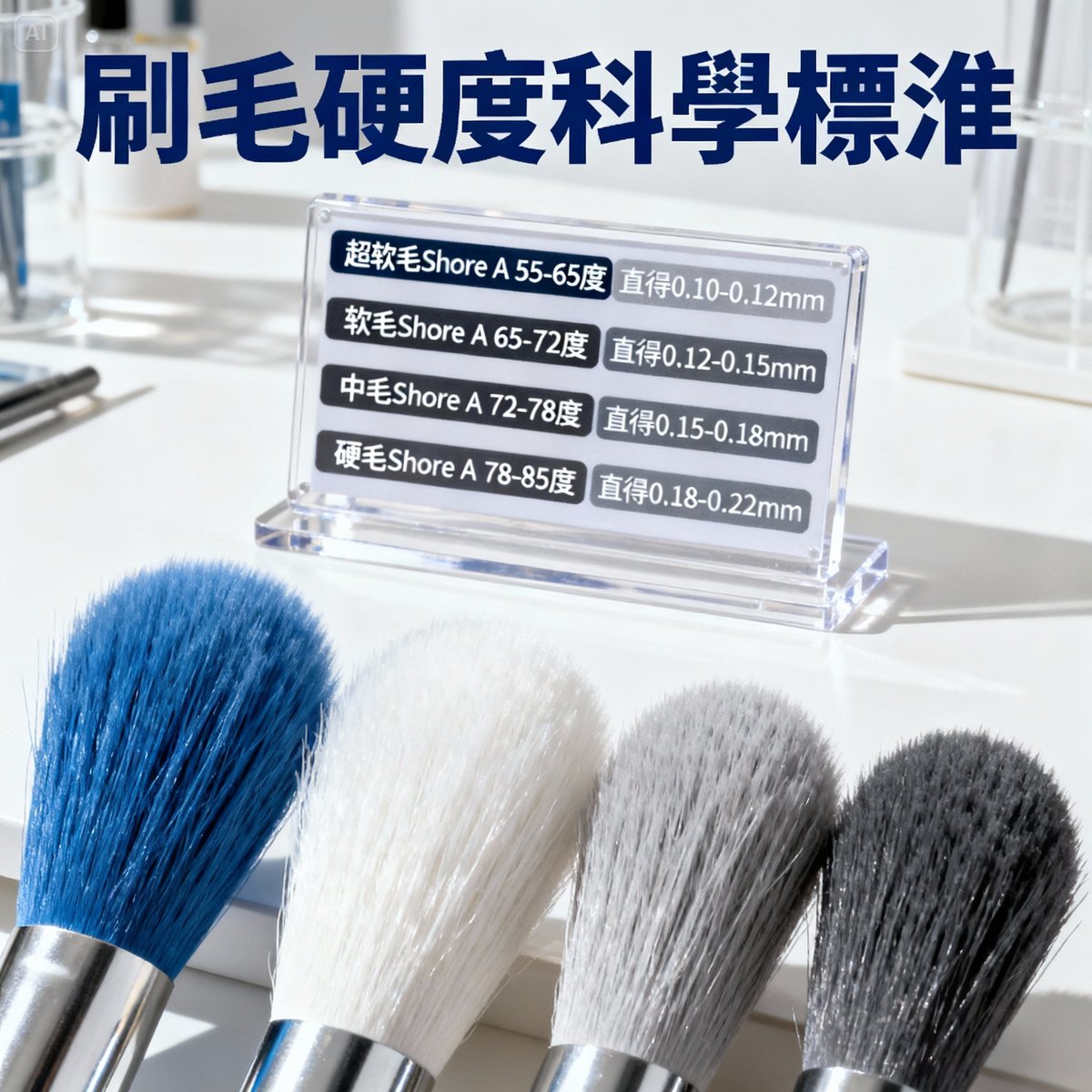
Under the international standard ISO 22254, how soft or hard bristles are is determined by the resistance a bristle tuft offers when it is bent under load. It is not a matter of judging by feel.
Bristle hardness grades
Toothbrushes on the market are generally labeled "extra soft", "soft", "medium" or "hard", but brands do not necessarily grade them the same way.
Important reminder
Toothbrushes that carry the same "soft" label can differ in actual hardness from brand to brand. When buying, go by the label on the product packaging, and if you are unsure, ask your dentist.
Pros and cons of soft-bristle toothbrushes
The soft-bristle toothbrush is the choice dentists generally recommend.
Five advantages of soft bristles
Advantage 1: Protects the gums
Soft bristles irritate the gums very little and are unlikely to cause bleeding or inflammation.
- The gums are fragile soft tissue
- Hard bristles easily scratch the gums, causing redness, swelling and bleeding
- Long-term use of hard bristles may lead to gum recession
- Soft bristles clean gently and protect gum health
Advantage 2: Prevents gum recession
Gum recession is irreversible damage, and soft bristles prevent it effectively.
- Excessive irritation from hard bristles leads to gum recession
- Receded gums cannot recover on their own
- The roots of the teeth are exposed, which increases sensitivity
- Soft bristles reduce irritation and prevent recession
Advantage 3: Suits sensitive teeth
If you have sensitive teeth, soft bristles are the best choice.
- Sensitive teeth react to hot and cold
- Excessive irritation from hard bristles makes sensitivity worse
- Soft bristles clean gently and reduce discomfort
- They work even better with a desensitizing toothpaste
Advantage 4: Can clean the gingival sulcus
Soft bristles can reach into the gingival sulcus and remove bacteria.
- The gingival sulcus is the crevice where the gum meets the tooth
- Bacteria build up there easily and lead to periodontal disease
- Soft bristles are flexible and can reach into the sulcus to clean it
- Hard bristles are too stiff and actually cannot reach in
Advantage 5: Reduces enamel wear
Soft bristles wear tooth enamel less.
- Enamel is the outermost protective layer of the tooth
- Once worn, it cannot regenerate
- Long-term use of hard bristles wears enamel
- Soft bristles lower the risk of wear
Two disadvantages of soft bristles
Disadvantage 1: Slightly weaker cleaning power
Compared with hard bristles, soft bristles clean slightly less strongly.
- On stubborn deposits, the cleaning result is slightly poorer
- A more correct brushing technique is needed
- Brushing may need to take slightly longer
However:
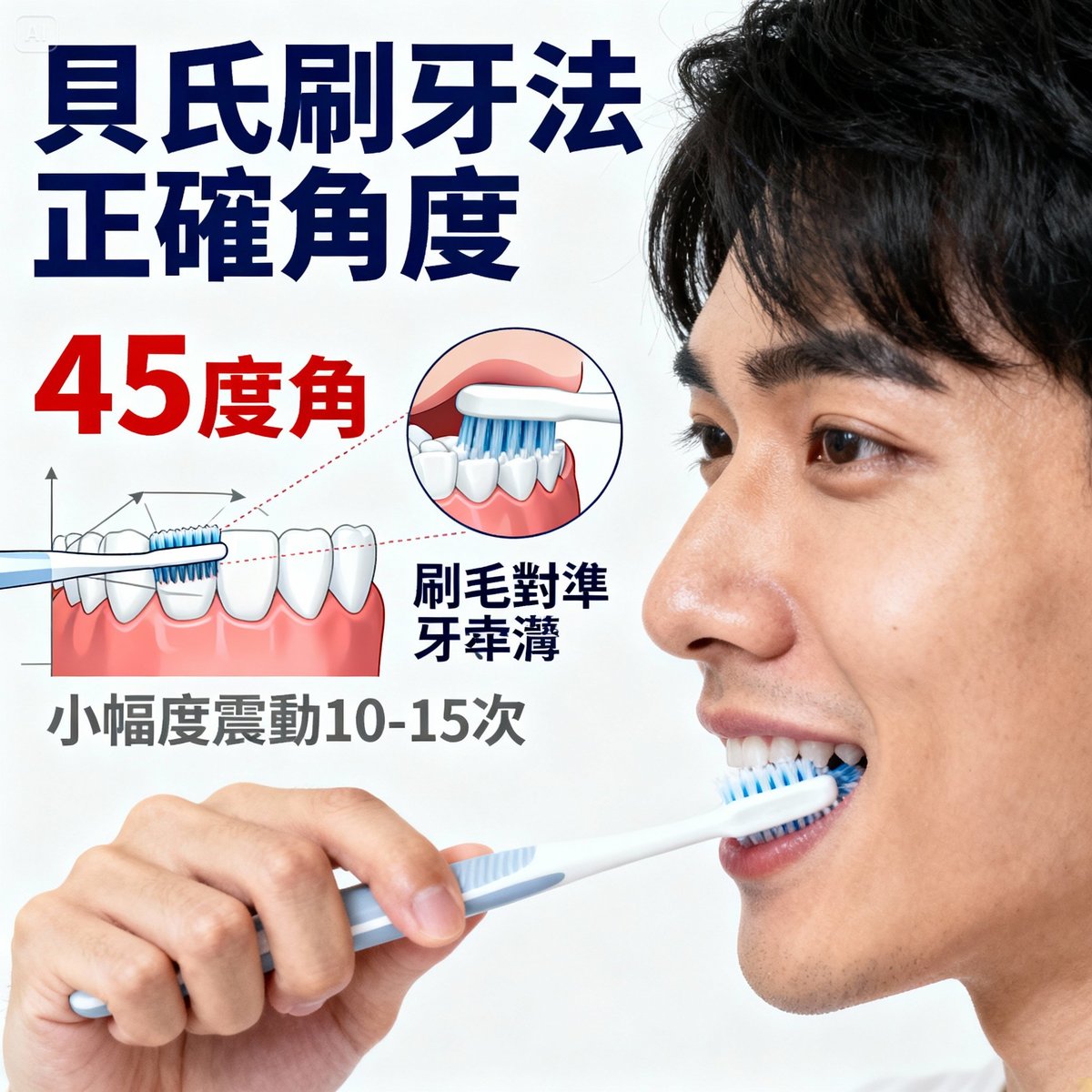
- With the correct brushing method (such as the Bass technique), the cleaning result is no worse than with hard bristles
- Dental floss and interdental brushes make up for the weaker cleaning power
- For most people the problem is not that the bristles are too soft but that the brushing method is wrong
Disadvantage 2: Shorter service life
Soft bristles have a slightly shorter service life than hard bristles.
- Soft bristles splay and deform more easily
- Replacement every 3-4 months is recommended, and sooner once the bristles splay
However:
- A toothbrush should be replaced every 3-4 months anyway
- The difference in service life is small
- The benefit of protecting the gums far outweighs the cost of replacement
Want to learn the correct brushing technique and get the most out of a soft-bristle toothbrush? See our guide to using a soft-bristle toothbrush correctly and the Bass brushing technique.
Pros and cons of hard-bristle toothbrushes
Hard-bristle toothbrushes are not entirely bad, but you need to understand their pros and cons.
Three advantages of hard bristles
Advantage 1: Strong cleaning power
The biggest advantage of hard bristles is cleaning power.
- They remove deposits effectively
- They clean well for smokers and for people who often drink tea or coffee
- They can deal with more stubborn deposits
Advantage 2: Long service life
Hard bristles do not deform easily and last longer.
- The bristles are harder and do not splay easily
- The bristles deform less easily
- (Replacement every 3-4 months is still recommended)
Advantage 3: Efficient cleaning
For people in a hurry, hard bristles clean quickly.
- Brushing time may be shorter
- Cleaning is efficient
Four disadvantages of hard bristles
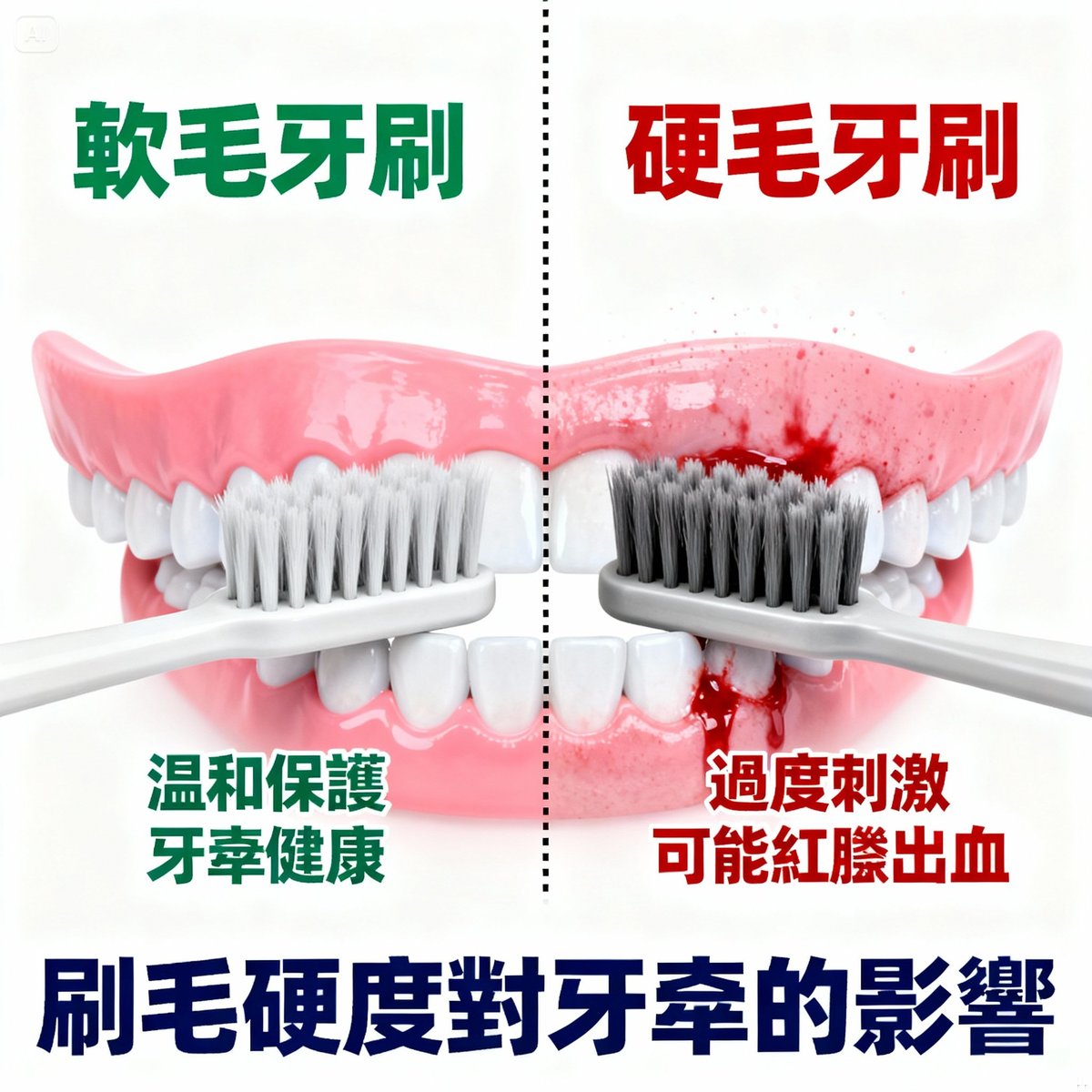
Disadvantage 1: Easily harm the gums
This is the biggest problem with hard bristles.
- Hard bristles are highly irritating and easily scratch the gums
- They cause bleeding, redness and swelling of the gums
- Long-term use may lead to gum inflammation
Disadvantage 2: Wear the enamel
Hard bristles wear the tooth surface.
- Worn enamel cannot regenerate
- It leads to sensitive teeth
- It raises the risk of tooth decay
Disadvantage 3: High risk of gum recession
With long-term use of hard bristles, the chance of gum recession rises sharply.
- Gum recession is irreversible
- The roots of the teeth are exposed, which increases sensitivity
- It affects appearance
Disadvantage 4: Not suitable for sensitive groups
Hard bristles are not recommended for the following groups:
- People with sensitive gums
- People with periodontal disease
- Children
- Older people
- Pregnant women (the gums are more fragile during pregnancy)
Bristle hardness recommendations for different groups
Everyone's oral condition is different, so choose a bristle hardness that suits yours.
Recommendations by group
| Group | Recommended hardness | Reason |
|---|---|---|
| Infants and toddlers (0-3 years) | Extra soft | Baby teeth have thin enamel and the gums are fragile |
| Children (3-12 years) | Extra soft to soft | Teeth are being replaced and the gums need protection |
| Most adults | Soft to medium | A balance of cleaning and protection |
| People with sensitive gums | Soft | Avoids irritating the gums |
| People with periodontal disease | Soft | The gums are already inflamed and need gentle cleaning |
| Sensitive teeth | Soft | Reduces irritation of the teeth |
| People with gum recession | Soft | Prevents further recession |
| Wearing braces | Soft | Cleans around the braces without harming the gums |
| Pregnant women | Soft | The gums are more fragile during pregnancy |
| Older people | Soft | Gum recession is more likely, so gentle cleaning is needed |
Advice for special situations
Situation 1: Heavy deposits or tobacco stains
If you have heavy deposits or tobacco stains:
- First choice: soft bristles with the correct brushing method, and a longer brushing time
- Second choice: a medium-bristle toothbrush (use with care)
- Avoid: hard bristles (the harm outweighs the benefit)
- Advice: regular professional cleaning (once every six months)
Situation 2: Bleeding gums
If your gums bleed when you brush:
- Switch to a soft-bristle toothbrush immediately
- Check whether your brushing method is correct (do not scrub hard from side to side)
- If the bleeding continues, see a dentist (it may be periodontal disease)
Situation 3: Sensitive teeth
If your teeth are sensitive to hot and cold:
- Use a soft-bristle toothbrush
- Combine it with a desensitizing toothpaste
- Avoid hard bristles (they make sensitivity worse)
- If the sensitivity continues, see a dentist
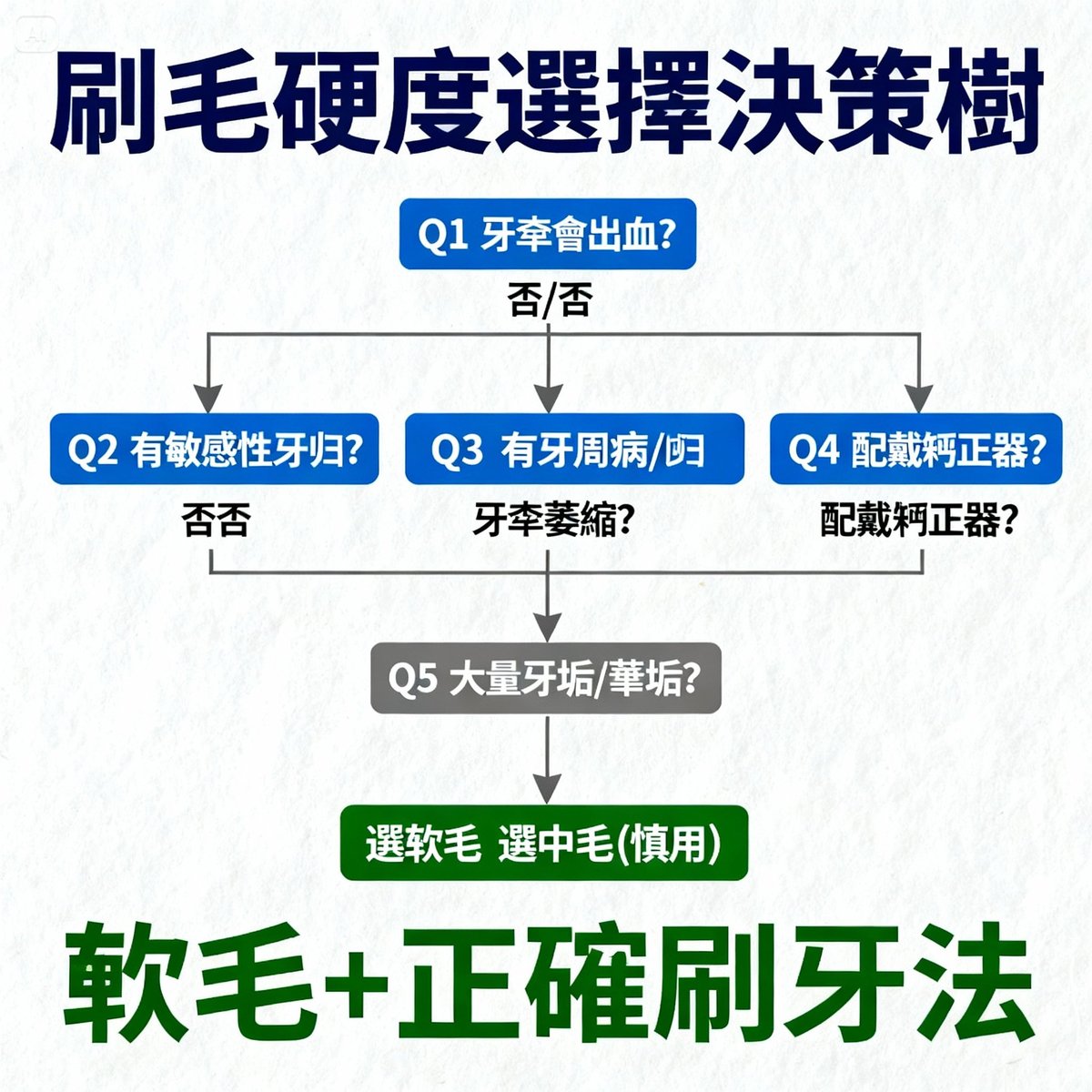
Decision tree | Find the bristle hardness that suits you best
Still not sure which to choose? Follow the decision tree to the answer.
Decision flow
Q1: Do your gums bleed when you brush?
- ✅ Yes → choose soft bristles (the gums are already inflamed and need gentle cleaning)
- ❌ No → go on to Q2
Q2: Do you have sensitive teeth? (sensitive to hot and cold)
- ✅ Yes → choose soft bristles (to reduce irritation)
- ❌ No → go on to Q3
Q3: Do you have periodontal disease or gum recession?
- ✅ Yes → choose soft bristles (to stop it getting worse)
- ❌ No → go on to Q4
Q4: Are you wearing braces?
- ✅ Yes → choose soft bristles (to clean around the braces without harming the gums)
- ❌ No → go on to Q5
Q5: Do you have heavy deposits or tobacco stains?
- ✅ Yes → choose medium bristles (use with care), or choose soft bristles + the correct brushing method + regular professional cleaning
- ❌ No → choose soft or medium bristles (according to personal preference)
Conclusion: when you are not sure, soft bristles are always the safest choice.
Recommended soft-bristle toothbrushes | The YC Brushes factory-direct range
Now that the differences between soft and hard bristles are clear, here is the soft-bristle toothbrush range from YC Brushes.
Product specifications
Bristle specifications:
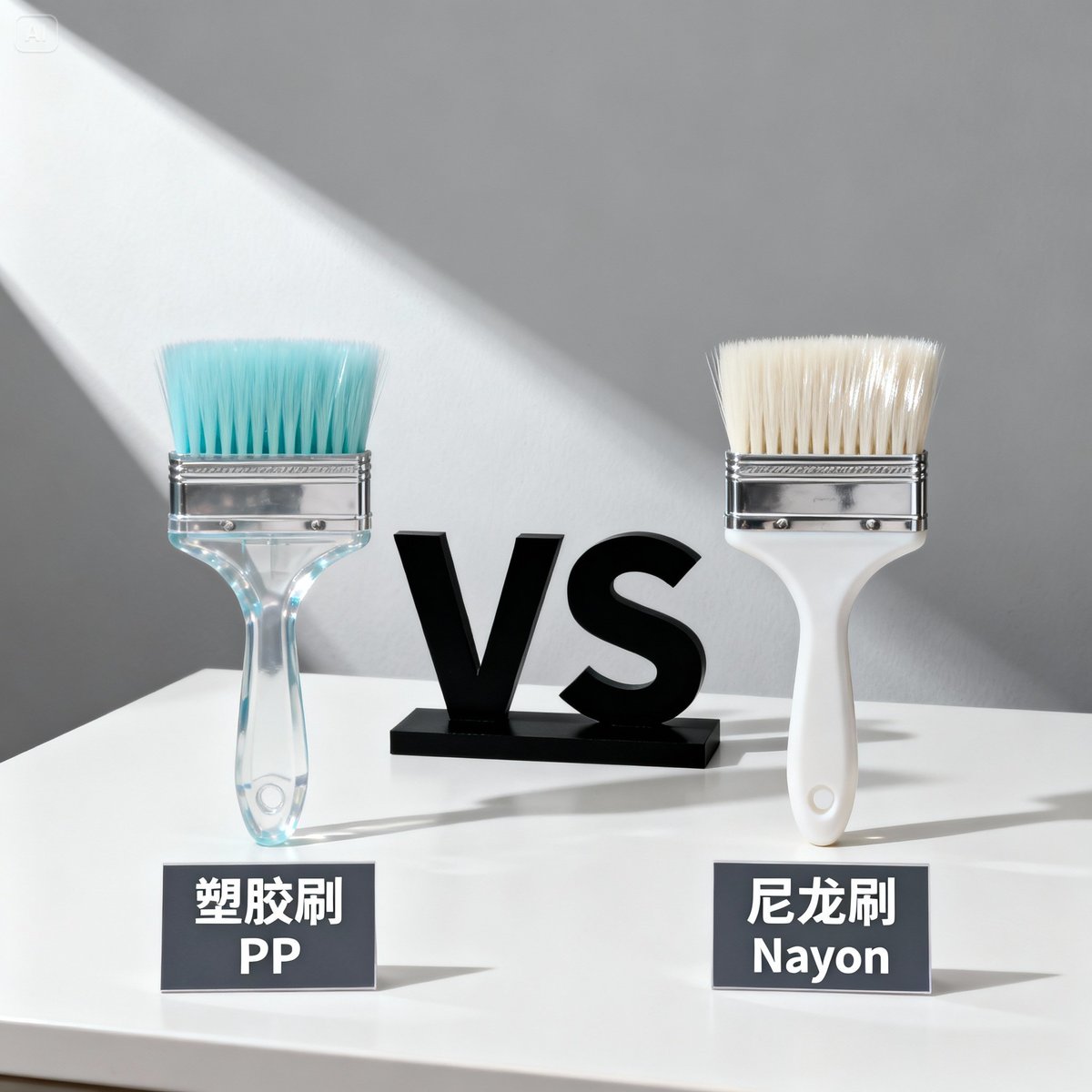
- Material: imported nylon PA612
- Hardness: Shore A 68-72 (standard soft)
- Diameter: 0.15 mm
- Finish: end-rounded (the bristle tips are smooth and do not scratch the gums)
Brush body specifications:
- Material: PP (polypropylene, food grade)
- Complies with the international standard ISO 20126
- Ergonomic handle design
- Non-slip design
A choice of specifications
Adult toothbrush:
- Brush head size: 2.5-3 cm
- Number of tufts: 35-45
- Suitable for: most adults
Children's toothbrush:
- Brush head size: 1.8-2.2 cm
- Number of tufts: 25-35
- Extra soft bristles (Shore A 60-65)
- Suitable for: children aged 3-12
For sensitive mouths:
- Bristle diameter: 0.12 mm (extra soft)
- Shore A hardness: 65-68
- Suitable for: people with sensitive gums or periodontal disease
Custom service
For brand owners:
- Custom logo printing
- Adjustable bristle color
- Custom packaging design
- Order quantities: quoted per specification; please email us with your requirements
Factory-direct advantages:
- Over 40 years of brush-making experience
- Stable, reliable quality
- Transparent, reasonable prices
- Wholesale discounts
Want to know more about bristle materials and manufacturing technology? See our complete guide to toothbrush tufting, with detailed explanations of the technology, materials and process.
💡 Need custom soft-bristle toothbrushes or wholesale purchasing?
Contact YC Brushes now: factory-direct, with assured quality. Or see the full product range.
Summary: soft bristles are the safest choice
After the full analysis, you should now know how to choose a bristle hardness.
Core advice
Most people should choose a soft-bristle toothbrush
- Protects the gums and prevents recession
- Reduces enamel wear
- Suits sensitive teeth
- With the correct brushing method, cleans as well as hard bristles
In special situations, medium bristles are worth considering
- Healthy teeth and strong gums
- Heavy deposits that need dealing with
- But they must still be used with care, without pressing too hard
Hard bristles are not recommended for long-term use:
- A high risk of harming the gums
- They wear the enamel
- They may lead to gum recession
- The harm outweighs the benefit
Important reminder
Choosing the right bristles is only the first step; brushing correctly is the key:
- Use the Bass technique
- Brush for at least 2 minutes
- Use moderate pressure (do not press too hard)
- Use dental floss or an interdental brush as well
- Replace the toothbrush every 3-4 months